Blog Post: Postpartum Body Changes: A Holistic Approach to Healing
Pregnancy and childbirth are significant milestones in a woman’s life. While the experience is filled with joy and excitement, it also brings about a lot of changes to a woman’s body. After giving birth, many women struggle with postpartum body changes, which can be overwhelming and emotional. From weight gain to stretch marks, and even hair loss, these changes can take a toll on a new mother’s self-esteem and confidence. However, with a holistic approach to healing, women can embrace and love their postpartum bodies.
Understanding Postpartum Body Changes
It’s essential to understand that every woman’s postpartum body changes are unique. Some may experience more significant changes than others, and that’s completely normal. The most common postpartum body changes include weight gain, stretch marks, hair loss, and loose skin. These changes are a result of the body’s incredible ability to carry and give birth to a child. However, many women feel pressure to bounce back to their pre-pregnancy bodies, which can lead to negative body image and self-esteem issues.
Weight Gain
During pregnancy, a woman’s body naturally gains weight to support the growing baby. After giving birth, it’s normal for women to still have some extra weight. However, the pressure to lose this weight quickly can be overwhelming. It’s essential to remember that it took nine months to gain the weight, and it will take time to lose it. Instead of focusing on the numbers on the scale, new mothers should focus on nourishing their bodies with healthy foods and engaging in gentle exercise.
Stretch Marks
Stretch marks are a common postpartum body change that many women experience. These marks are a result of the skin stretching to accommodate the growing baby. They may fade over time, but they will never fully disappear. Instead of viewing them as flaws, women can choose to see them as a beautiful reminder of the miracle their bodies have gone through.
Hair Loss
Many new mothers also experience postpartum hair loss, which can be distressing. During pregnancy, the body produces more estrogen, which prolongs the growth phase of hair. After giving birth, hormone levels return to normal, and hair may shed at a higher rate than usual. This is temporary and can be managed with proper nutrition and stress management techniques.
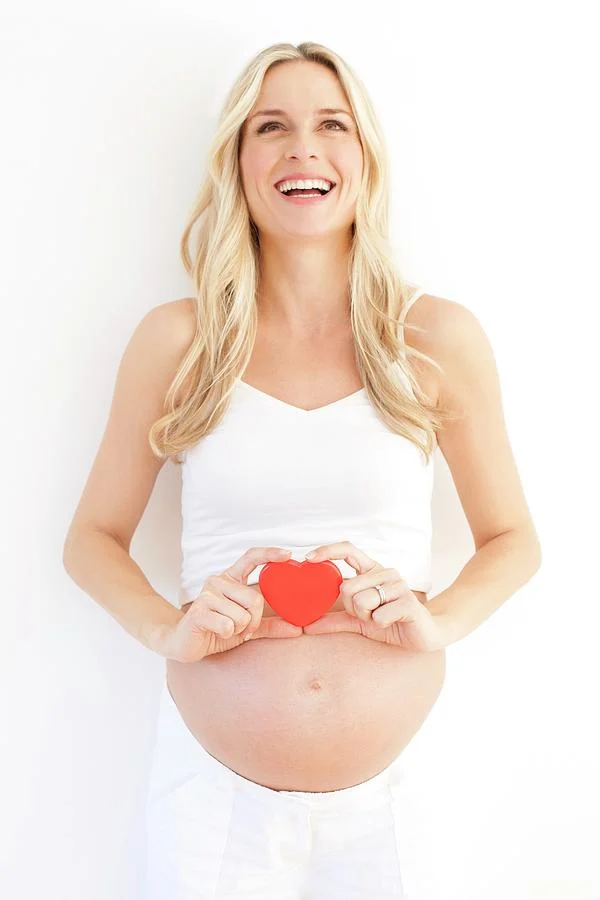
Postpartum Body Changes: A Holistic Approach to Healing
Loose Skin
After giving birth, the skin that was stretched during pregnancy may not bounce back to its pre-pregnancy state. This can result in loose skin, especially in the abdominal area. While it may be tempting to consider surgery to remove this excess skin, it’s essential to remember that the body needs time to heal and recover. With proper nutrition and exercise, the skin may naturally tighten over time.
Holistic Approach to Healing
A holistic approach to postpartum body changes focuses on the overall well-being of the mind, body, and spirit. It’s about embracing and celebrating the changes and taking care of oneself in a gentle and nurturing way. Here are some ways to take a holistic approach to healing after childbirth:
1. Practice Self-Care: Taking care of a newborn can be exhausting, both physically and emotionally. It’s crucial for new mothers to take time for themselves, even if it’s just a few minutes a day. This can include taking a relaxing bath, reading a book, or indulging in a hobby.
2. Nourish your Body: After giving birth, the body needs proper nutrition to heal and recover. It’s essential to eat a well-balanced diet that includes plenty of fruits, vegetables, lean proteins, and healthy fats. Avoid crash diets or restrictive eating, as they can be harmful to both the body and mind.
3. Engage in Gentle Exercise: While it’s essential to rest and allow the body to heal, gentle exercise can also be beneficial. This can include going for walks, doing yoga, or engaging in low-impact exercises. It’s essential to listen to your body and not push yourself too hard.
4. Seek Support: It’s normal to feel overwhelmed and emotional after giving birth. It’s essential to seek support from loved ones, whether it’s a partner, family member, or friend. Postpartum support groups can also provide a safe space to share experiences and receive support from other new mothers.
5. Practice Positive Self-Talk: It’s easy to be hard on ourselves, especially when our bodies are going through significant changes. It’s crucial to practice positive self-talk and embrace our postpartum bodies. Instead of focusing on what our bodies used to look like, we should celebrate what our bodies have accomplished.
In summary, postpartum body changes are a natural and beautiful part of motherhood. Instead of putting pressure on ourselves to bounce back to our pre-pregnancy bodies, we should take a holistic approach to healing. By practicing self-care, nourishing our bodies, engaging in gentle exercise, seeking support, and practicing positive self-talk, we can embrace and love our postpartum bodies.