As a new mother, adjusting to life with a newborn can be overwhelming and exhausting. On top of caring for a new baby, many women also have to deal with significant changes to their bodies after giving birth. From stretch marks and loose skin to weight gain and hair loss, the postpartum body goes through a lot of transformations. However, there are many myths surrounding postpartum body changes that can add unnecessary stress and pressure for new mothers. In this blog post, we will dispel these common myths and provide some reassurance and guidance for new moms.
Myth #1: You will “bounce back” to your pre-pregnancy body immediately after giving birth.
The truth is, every woman’s body is different and will recover at its own pace after pregnancy. It took nine months for your body to grow and accommodate a baby, so it’s unrealistic to expect it to return to its pre-pregnancy state overnight. It’s important to be patient and give your body time to heal. It’s also important to remember that your body has gone through a major transformation and it may never look exactly the same as it did before. Embrace and celebrate the changes, instead of trying to conform to societal standards of beauty.
Myth #2: Breastfeeding will help you lose all the baby weight.
While breastfeeding can help burn some extra calories, it is not a guaranteed weight loss method. In fact, some women may hold onto extra weight while breastfeeding. The body needs extra calories to produce breast milk, and every woman’s body is different in how it responds to breastfeeding. It’s important to focus on nourishing your body with healthy foods and not put pressure on yourself to lose weight quickly. Your body will naturally adjust and find its equilibrium over time.
Myth #3: Stretch marks can be prevented or eliminated.
Stretch marks are a common result of pregnancy and are caused by the skin stretching to accommodate a growing belly. They are a natural and beautiful reminder of the journey you’ve been through. While some products claim to prevent or eliminate stretch marks, there is no scientific evidence to support this. Embrace your stretch marks as a symbol of the incredible journey of motherhood.
Myth #4: Your post-baby body should look like a celebrity’s.
It’s important to remember that celebrities have access to personal trainers, chefs, and other resources to help them “bounce back” after pregnancy. They also have the pressure to maintain their appearance for their careers. Comparing your postpartum body to a celebrity’s is not fair or realistic. Every body is different, and it’s important to focus on your own health and well-being rather than trying to meet unrealistic beauty standards.
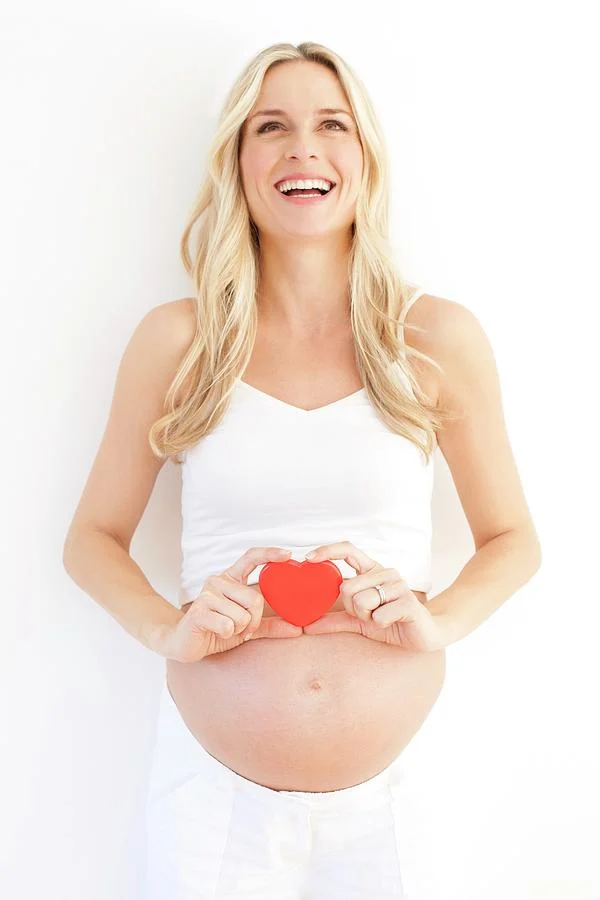
The Truth About Postpartum Body Changes: Dispelling Common Myths
Myth #5: Your body will never be the same after pregnancy.
While it’s true that your body will go through significant changes during and after pregnancy, it doesn’t mean it will never be the same again. With proper care and self-love, your body will adjust and heal. It’s important to give yourself time to recover and listen to your body’s needs. Exercise and a healthy diet can also help in regaining strength and toning muscles, but it’s important to consult with your doctor before starting any postpartum fitness routine.
Myth #6: You should prioritize getting your pre-pregnancy body back over taking care of your baby.
The most important thing after giving birth is to take care of yourself and your baby. Trying to prioritize getting your pre-pregnancy body back over taking care of your baby can lead to physical and emotional exhaustion. Remember, your body has just gone through a major event, and it’s important to give yourself time to rest and recover. Focus on nourishing your body with healthy foods and gentle exercise, and the rest will come in due time.
Myth #7: Postpartum body changes only affect physical appearance.
The truth is, postpartum body changes can also have a significant impact on a woman’s mental health. The pressure to “bounce back” and conform to societal beauty standards can lead to body image issues and low self-esteem. It’s important to remember that your body has gone through an incredible journey of creating and nurturing life, and that is something to be celebrated and embraced. It’s also important to seek support and talk to a healthcare professional if you are struggling with your mental health postpartum.
In conclusion, postpartum body changes are a natural and beautiful part of motherhood. It’s important to dispel the common myths surrounding these changes and embrace and celebrate the journey your body has gone through. Remember to be patient and kind to yourself, and focus on your physical and mental well-being rather than conforming to unrealistic beauty standards. Your postpartum body is strong, beautiful, and worthy of love and appreciation.
SEO metadata: