Pregnancy is a crucial time for both the mother and the developing baby. It is a time of excitement, anticipation, and challenges. While there is a lot of focus on physical health during pregnancy, it is equally important to pay attention to mental health. Prenatal health is not just about eating well and taking prenatal vitamins, but it also involves taking care of one’s mental and emotional well-being. In this blog post, we will discuss the importance of mental health during pregnancy and how it can affect the overall health of both the mother and the baby.
Pregnancy is a time of significant physical and emotional changes for women. The hormonal changes during pregnancy can lead to mood swings, anxiety, and depression. It is estimated that around 15-20% of pregnant women experience mental health issues, with depression being the most common. These mental health issues not only affect the mother but can also have a profound impact on the developing baby.
One of the most crucial aspects of prenatal health is managing stress levels. Pregnancy can be a stressful time, with concerns about the health of the baby, changes in the body, and preparing for the arrival of a new family member. High levels of stress during pregnancy have been linked to an increased risk of preterm labor, low birth weight, and developmental issues in the baby. It is essential to find healthy ways to cope with stress, such as practicing relaxation techniques, exercising, and seeking support from loved ones or a mental health professional.
Another important aspect of prenatal health is managing mental health conditions. Women who have a preexisting mental health condition, such as depression or anxiety, need to continue their treatment during pregnancy. Untreated mental health issues can have adverse effects on both the mother and the baby. It is crucial to work closely with a healthcare provider to find safe and effective treatment options during pregnancy.
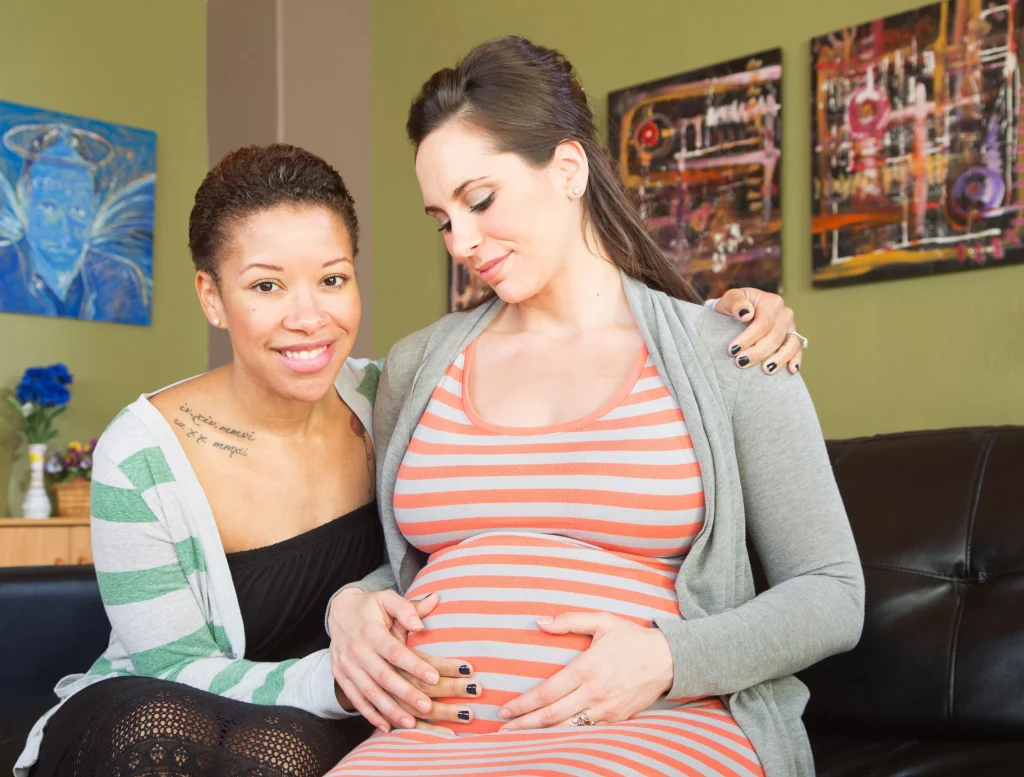
Prenatal Health and the Importance of Mental Health
Furthermore, the relationship between the mother and the developing baby also plays a vital role in prenatal health. Studies have shown that a mother’s mental and emotional state can affect the baby’s brain development and future behavior. High levels of stress and maternal depression during pregnancy have been linked to behavioral problems, such as ADHD and conduct disorder, in children later in life. On the other hand, a positive and nurturing relationship between the mother and the baby can have long-lasting benefits for the child’s emotional and social development.
In addition to managing mental health, taking care of physical health is also essential during pregnancy. A healthy diet, regular exercise, and getting enough rest are crucial for both the mother and the developing baby. Eating a variety of nutritious foods, such as fruits, vegetables, whole grains, and lean proteins, can help provide the necessary nutrients for the baby’s growth and development. Regular exercise can help improve mood, reduce stress, and prepare the body for childbirth. Getting enough rest is also crucial, as pregnancy can be exhausting, and lack of sleep can worsen mental health issues.
It is also important to address any potential risk factors for prenatal mental health issues. Women who have a history of mental health issues, a family history of mental illness, or a difficult pregnancy or birth experience are at a higher risk of developing mental health issues during pregnancy. It is essential to discuss these risk factors with a healthcare provider and come up with a plan to manage them effectively.
In conclusion, prenatal health is not just about the physical health of the mother and the baby, but it also includes taking care of one’s mental and emotional well-being. Managing stress levels, addressing mental health conditions, nurturing the relationship between the mother and the baby, and taking care of physical health are all crucial aspects of prenatal health. By prioritizing mental health during pregnancy, we can promote a healthy and positive start for both the mother and the baby.