Summary:
The journey of baby development is an incredible and exciting one, filled with many milestones that parents eagerly anticipate. From the moment of conception to the first steps, there are countless changes and developments that occur in a baby’s first three years of life. These milestones not only mark physical growth but also cognitive, emotional, and social development. As parents, it is important to be aware of these milestones and to celebrate each and every one of them. In this blog post, we will take a closer look at 40 key milestones to watch for in your baby’s development, from birth to three years old.
Key Milestones to Watch For:
1. First Trimester: From the moment of conception, your baby is growing and developing rapidly. The first trimester marks the formation of major organs, including the heart, brain, and spinal cord.
2. First Ultrasound: Around 8-12 weeks, you will have your first ultrasound, where you can see your baby’s heartbeat and confirm the pregnancy.
3. Second Trimester: This is when many women start to feel their baby’s movements, also known as quickening.
4. Gender Reveal: Around 18-20 weeks, you can find out the gender of your baby through an ultrasound or blood test.
5. Third Trimester: The final stretch of pregnancy is when your baby will experience the most significant growth and development, preparing for life outside the womb.
6. Birth: After 40 weeks of growth and development, your baby will make their grand entrance into the world. This is a milestone that many parents eagerly await.
7. Reflexes: In the first few months of life, your baby will exhibit various reflexes, such as the rooting reflex, which helps them find the breast for feeding.
8. Smiling: Around 6-8 weeks, your baby will start to smile in response to your facial expressions and interactions.
9. Grasping: By 3-4 months, your baby will start to grasp objects, either by accident or intentionally.
10. Rolling Over: Around 4-6 months, your baby will start to roll over from their back to their tummy and vice versa.
11. Sitting Up: Between 4-7 months, your baby will begin to sit up with support and eventually on their own.
12. Crawling: Some babies start crawling as early as 6 months, while others may take up to a year. This milestone is an exciting one as your baby becomes more mobile.
13. Teething: Around 6-10 months, your baby’s first teeth will start to emerge, causing discomfort and drooling.
14. Babbling: Around 6-9 months, your baby will start to babble, making various sounds and imitating your speech.
15. First Words: By 12 months, most babies will say their first word, usually “mama” or “dada.”
16. Standing: With support, your baby will start to pull themselves up to a standing position between 8-12 months.
17. Walking: One of the most anticipated milestones is when your baby takes their first steps, which can happen anywhere between 9-18 months.
18. Self-Feeding: Around 9-12 months, your baby will start to feed themselves with their fingers and eventually with utensils.
19. Stranger Anxiety: As your baby becomes more aware of their surroundings, they may exhibit fear or anxiety towards strangers.
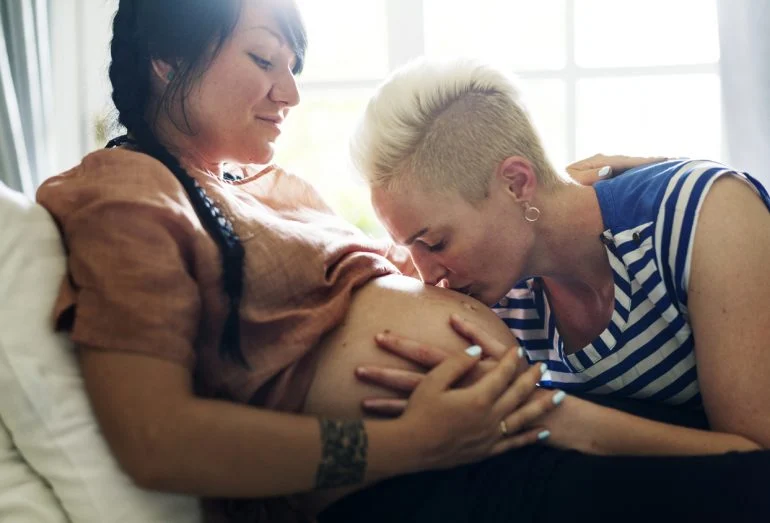
The Incredible Journey of Baby Development: 40 Milestones to Watch For
20. Separation Anxiety: By 12-18 months, your baby will start to develop a sense of self and may experience distress when separated from their primary caregiver.
21. Scribbling: Between 12-18 months, your baby will start to scribble with crayons, markers, or pencils, showing their fine motor skills.
22. Pointing: Around 12-15 months, your baby will start to point to objects, indicating their understanding of language and pointing out things of interest.
23. Climbing: As your baby’s physical abilities develop, they may start to climb on furniture, stairs, or playground equipment.
24. Following Simple Instructions: By 18-24 months, your baby will start to understand and follow simple instructions, such as “pick up your toys.”
25. Pretend Play: Around 18-24 months, your baby will start to engage in pretend play, using their imagination and imitating real-life scenarios.
26. Potty Training: Between 18 months to 3 years old, most children will start to show signs of readiness for potty training.
27. Speech Development: By 2 years old, most children will be able to form simple sentences and have a vocabulary of around 50 words.
28. Jumping: As their gross motor skills develop, your toddler will start to jump, usually between 2-3 years old.
29. Dressing Themselves: Around 2-3 years old, your toddler will start to show an interest in dressing themselves, although they may need some help.
30. Counting: By 3 years old, most children will be able to count to 10 and recognize numbers.
31. Colors and Shapes: By 3 years old, most children will be able to identify basic colors and shapes.
32. Imaginative Play: As your child’s imagination grows, they will engage in more complex imaginative play, creating elaborate stories and scenarios.
33. Social Skills: By 3 years old, most children will have developed basic social skills, such as sharing and taking turns.
34. Independence: As children approach their third birthday, they will start to assert their independence and want to do things on their own.
35. Handwriting: By 3 years old, some children may start to show an interest in drawing and writing, developing their fine motor skills.
36. Understanding Emotions: As children become more aware of their own emotions, they will start to understand and recognize emotions in others.
37. Counting to 100: By 4 years old, most children will be able to count to 100 and recognize numbers up to 10.
38. Tying Shoes: Around 4-5 years old, children will start to show an interest in tying their shoes, a challenging but important milestone.
39. Social Interactions: As children enter preschool, they will start to interact with peers and develop more complex social skills.
40. Kindergarten Readiness: By 5 years old, most children will be ready to start kindergarten, displaying the necessary skills and knowledge for school.
In conclusion, the journey of baby development is an incredible one, filled with many milestones that mark physical, cognitive, emotional, and social growth. As parents, it is essential to be aware of these milestones and to celebrate each one, as they are all crucial steps in your child’s development.