Blog Post:
Babies are a bundle of joy, with their cute smiles, coos, and giggles. As parents, we eagerly wait for our babies to reach their developmental milestones, such as rolling over, sitting up, and crawling. These physical milestones are essential for our babies’ growth and development, but there is another aspect of their growth that is just as crucial – their social development.
From the moment they are born, babies are wired to interact with the world around them. They crave social interaction, and it plays a significant role in their overall development. In this blog post, we will explore the social side of a baby’s growth, focusing on milestones in interaction that parents can look forward to.
Bonding with Parents: The First Social Interaction
The first interaction that a baby has is with their parents. This bond forms the foundation for all future social interactions. When a baby is born, they are not yet capable of communicating through words, but they communicate through their cries, facial expressions, and body movements. This non-verbal communication is how they express their needs and wants and seek comfort and security from their parents.
As a parent, responding to your baby’s cries and non-verbal cues is crucial in building a strong bond with them. This bond not only provides a sense of security and trust for the baby but also lays the foundation for them to develop healthy relationships in the future.
Smiling and Laughing: The First Social Cues
Around 2-3 months of age, babies start to smile in response to their parents’ faces and voices. This is a significant milestone in their social development as it indicates their ability to recognize familiar faces and respond to them. As they grow older, their smiles become more intentional and are used as a way to communicate and interact with others.
Around 4-5 months, babies also start to laugh, which is another crucial social cue. Laughter is a sign of happiness and contentment, and it also helps to strengthen the bond between parent and child. It also encourages babies to continue interacting with their caregivers, as they enjoy the positive responses they receive.
Babbling and Early Language Development
Between 6-11 months, babies start to babble, making a variety of sounds that mimic language. This is an essential milestone in their social development as it marks the beginning of their language skills. Babbling is a form of communication, and as parents respond with words and gestures, babies learn the power of communication and how it can help them get their needs met.
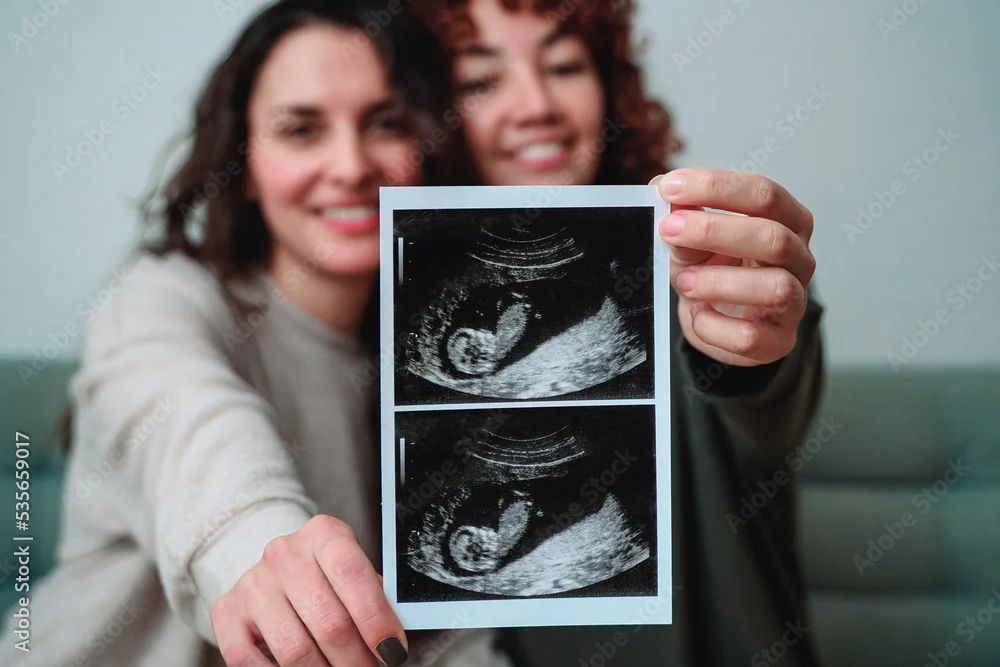
The Social Side of Baby's Growth: Milestones in Interaction
Around 12 months, babies usually say their first words, such as “mama” or “dada.” This is an exciting milestone for parents, as it marks the beginning of their child’s language development. It also opens up a whole new world of social interaction for babies, as they can now communicate their needs and wants through words.
Crawling and Exploring the World
Around 9-12 months, most babies start to crawl, which is a significant milestone for their physical development. But crawling is also crucial for their social development, as it allows them to explore their environment and interact with others. Crawling enables babies to move towards people and objects that interest them, and it also allows them to play and interact with other babies.
As babies crawl, they also start to understand the concept of object permanence. This means that they understand that even though they cannot see something, it still exists. This development is crucial for their social interactions, as they start to understand that their parents still exist even when they are not in sight.
Walking and Developing Social Skills
Around 12-15 months, most babies start to walk, which marks a significant milestone in their physical development. But it also has a significant impact on their social development. As babies start to walk, they gain more independence, which allows them to explore the world around them and interact with others.
Walking also enables babies to participate in more social activities, such as playing with other children and engaging in group activities. They also start to develop their social skills, such as sharing, taking turns, and following simple social rules.
Toddlers and Social Interactions
As babies become toddlers, their social interactions become more complex. They start to engage in imaginative play, which allows them to explore different roles and scenarios. This type of play is crucial for their social development as it helps them learn how to take on different perspectives and understand the feelings of others.
Toddlers also start to form friendships and learn how to interact with their peers. This is a crucial stage in their social development as they learn how to navigate social situations, resolve conflicts, and develop empathy for others.
Summary:
In summary, the social side of a baby’s growth is just as crucial as their physical development. From bonding with parents to forming friendships, social interactions play a significant role in a baby’s overall development. Milestones such as smiling, babbling, crawling, and walking are not only important for their physical development but also for their social development. As parents, it is essential to nurture and encourage these milestones to help our babies grow into confident, socially adept individuals.