Summary:
Play is an essential part of a baby’s development, and it is crucial for parents to understand the different milestones and stages of play in their child’s life. In this blog post, we will explore the power of play and how it impacts a baby’s cognitive, social, emotional, and physical development. We will also discuss the different types of play and the milestones that babies should reach at each stage. By understanding the power of play and its milestones, parents can provide their babies with the necessary support and tools to thrive and grow.
Introduction:
Play is not just a fun activity for babies; it is a vital part of their growth and development. Through play, babies explore and learn about the world around them, develop essential skills, and form meaningful connections with their caregivers. As parents, it is essential to understand the power of play and how it impacts a baby’s development. By recognizing the different stages and milestones of play, parents can provide their babies with the necessary support and tools to reach their full potential.
Types of Play:
Before we dive into the milestones of play, let’s first understand the different types of play that babies engage in:
1. Sensory Play: This type of play involves stimulating a baby’s senses, such as touch, sight, sound, and smell. It helps babies explore and understand their surroundings while developing their sensory abilities.
2. Object Play: As babies grow older, they start to engage in object play, which involves manipulating and exploring different objects. This type of play helps babies develop fine motor skills, hand-eye coordination, and problem-solving abilities.
3. Social Play: Social play is when babies interact with others, such as their parents, siblings, or other children. It helps them develop social skills, such as communication, sharing, and empathy.
4. Pretend Play: As babies enter toddlerhood, they start to engage in pretend play, where they use their imagination to act out different scenarios and roles. This type of play helps with creativity, language development, and emotional regulation.
Milestones in Baby’s Developmental Play:
Now, let’s explore the milestones of play that babies should reach at different stages of their development:
1. 0-3 Months: At this stage, babies engage in sensory play, where they explore and discover the world through their senses. They also start to track objects with their eyes and smile in response to their caregiver’s face.
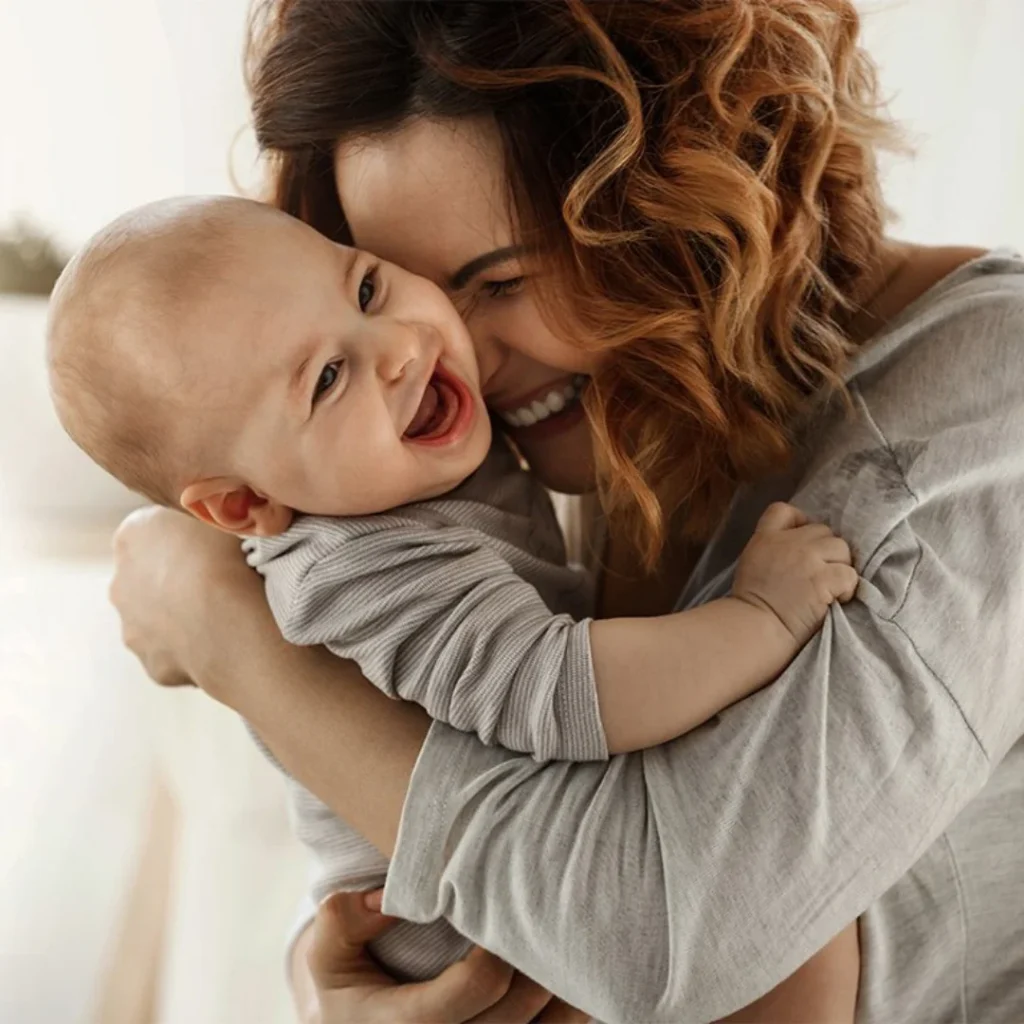
The Power of Play: Milestones in Baby's Developmental Play
2. 3-6 Months: Babies at this age start to engage in object play, where they grasp objects and bring them to their mouth to explore. They also begin to develop hand-eye coordination and can reach for objects.
3. 6-9 Months: This stage marks the beginning of social play, where babies start to interact and communicate with their caregivers. They also engage in parallel play, where they play alongside other babies but do not interact directly.
4. 9-12 Months: As babies approach their first birthday, they become more mobile and develop gross motor skills. They also start to engage in pretend play, such as pretending to talk on a toy phone.
5. 12-18 Months: At this stage, babies become more independent and engage in more complex forms of play. They may start to use objects for different purposes and play cooperatively with others.
6. 18-24 Months: Toddlers at this age continue to refine their motor skills and engage in more imaginative and pretend play. They also start to engage in parallel and cooperative play with other children.
The Importance of Play:
Now that we understand the different milestones in a baby’s developmental play let’s discuss the importance of play in their growth and development. Play is essential in all areas of a baby’s development, including cognitive, social, emotional, and physical.
1. Cognitive Development: Play helps babies develop critical thinking, problem-solving, and decision-making skills. Through play, babies learn about cause and effect, spatial awareness, and object permanence.
2. Social Development: Play allows babies to interact with others and develop social skills such as communication, sharing, and taking turns. It also helps them form attachments and build trusting relationships with their caregivers.
3. Emotional Development: Through play, babies learn to regulate their emotions and express themselves. They also learn about empathy and how to understand and respond to the emotions of others.
4. Physical Development: Different types of play, such as object play and physical play, help babies develop their gross and fine motor skills, strength, and coordination.
Conclusion:
Play is not just a way for babies to pass the time; it is a powerful tool for their growth and development. By understanding the different types of play and the milestones that babies should reach at each stage, parents can support their child’s development and foster a strong bond with their little one. So, let’s encourage our babies to play, explore, and learn as they reach their full potential.