Key Elements to Incorporate into Your Home for Optimal Fertility
When it comes to fertility, there are many factors that can impact a person’s ability to conceive. While medical interventions and lifestyle changes are important, there is also a growing recognition of the influence that our environment can have on fertility. In particular, the home environment plays a crucial role in creating a healthy and supportive space for fertility. In this blog post, we will explore some key elements that you can incorporate into your home for optimal fertility.
1. A Relaxing and Calming Atmosphere
Stress is known to have a negative impact on fertility, so creating a relaxing and calming atmosphere in your home is essential. This can include incorporating elements such as soft lighting, soothing colors, and comfortable furniture. You can also add calming scents like lavender or chamomile to your home through essential oils or candles. Creating a peaceful environment can help to reduce stress and promote a sense of well-being, which can have a positive effect on fertility.
2. Natural and Organic Materials
The materials used in your home can also have an impact on fertility. Many conventional materials, such as plastics and synthetic fabrics, contain chemicals that can disrupt hormonal balance and affect fertility. To create a more fertility-friendly home, opt for natural and organic materials such as cotton, wool, and wood. These materials are not only better for the environment but also for your health and fertility.
3. A Clean and Clutter-Free Space
A cluttered and disorganized home can contribute to feelings of stress and overwhelm, which can negatively impact fertility. Keeping your home clean and clutter-free is not only aesthetically pleasing but can also have a positive effect on your mental and emotional well-being. Take some time to declutter and organize your home, creating a space that is free from unnecessary items and distractions. This will help to create a sense of calm and promote a more positive mindset, which is beneficial for fertility.
4. Natural Light and Fresh Air
Exposure to natural light and fresh air is important for our overall health and well-being, including fertility. Natural light helps to regulate our body’s circadian rhythm, which can impact hormone levels and fertility. Similarly, fresh air can help to improve air quality and reduce exposure to toxins, which can also have a negative impact on fertility. Where possible, open up windows and let in natural light and fresh air to create a more healthy and rejuvenating home environment.
5. A Nourishing and Balanced Diet
The food we eat plays a crucial role in our overall health and fertility. When it comes to creating a fertility-friendly home, it’s important to have a nourishing and balanced diet. This means incorporating a variety of whole, nutrient-dense foods such as fruits, vegetables, whole grains, and lean proteins. Avoiding processed and sugary foods can also help to support fertility. You can also consider growing some of your own fruits and vegetables in a garden or on a balcony to have a fresh and organic supply of food.
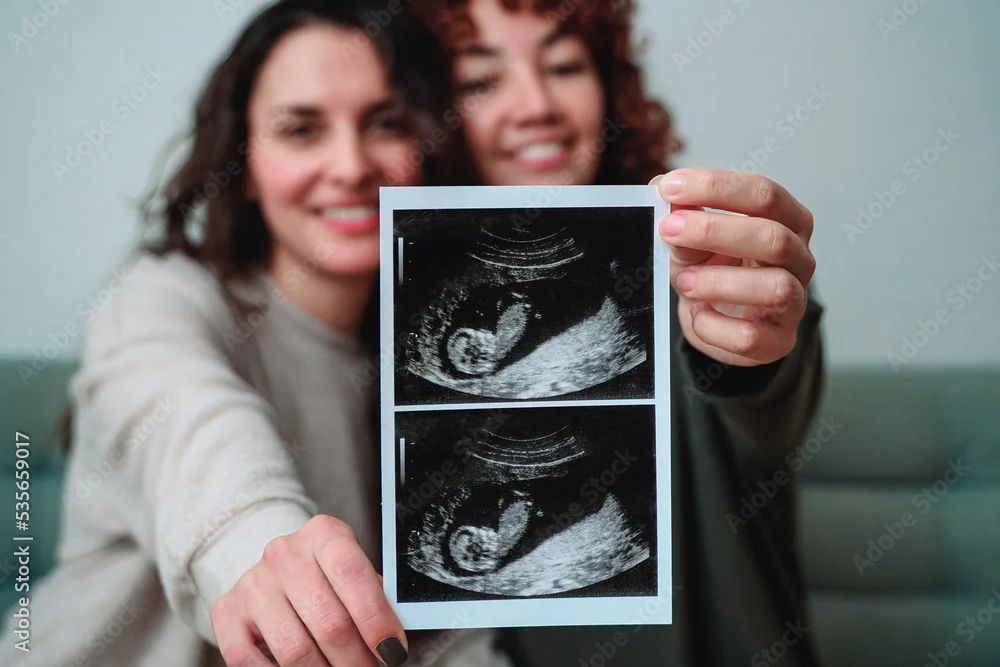
Key Elements to Incorporate into Your Home for Optimal Fertility
6. A Restful and Comfortable Bedroom
The bedroom is where we spend a significant portion of our time, and it can have a significant impact on our fertility. Creating a restful and comfortable bedroom is essential for optimal fertility. This includes investing in a good quality mattress and pillows, ensuring the room is dark and quiet, and keeping the temperature at a comfortable level. Consider incorporating elements such as blackout curtains, white noise machines, and essential oils to promote a more restful sleep.
7. Non-Toxic Cleaning and Personal Care Products
Toxic chemicals found in cleaning and personal care products can disrupt hormone balance and negatively impact fertility. To create a more fertility-friendly home, consider using non-toxic and eco-friendly products. These can include natural cleaning products made with ingredients such as vinegar, baking soda, and essential oils. Similarly, opt for personal care products that are free from harmful chemicals and additives. You can also consider making your own products using natural ingredients to have more control over what goes into them.
8. Positive and Supportive Relationships
Creating a supportive and positive home environment also involves nurturing positive and supportive relationships with your partner, family, and friends. Fertility struggles can be emotionally taxing, and having a strong support system can make a significant difference. Surround yourself with people who uplift and support you, and create a safe and open space to communicate with your partner about your fertility journey.
9. Mindfulness and Self-Care Practices
Incorporating mindfulness and self-care practices into your daily routine can also contribute to a more fertility-friendly home. Taking the time to slow down, be present, and engage in activities that bring you joy and relaxation can help to reduce stress and promote a sense of well-being. This can include activities such as meditation, yoga, journaling, or simply taking a bath. Find what works for you and make it a regular part of your routine.
10. A Positive and Hopeful Mindset
Finally, creating a fertility-friendly home involves cultivating a positive and hopeful mindset. While fertility struggles can be challenging, it’s important to maintain a sense of hope and positivity. This can include setting realistic goals, practicing gratitude, and staying connected to your body and emotions. Remember that your home is a reflection of your mindset, so strive to create a space that supports and encourages your fertility journey.
Incorporating these key elements into your home can help to create a more supportive and nurturing environment for fertility. While there is no guarantee that these changes will result in pregnancy, they can contribute to a healthier and happier lifestyle overall. Remember to also seek support from medical professionals and to prioritize self-care and self-compassion throughout your fertility journey. With a holistic approach, you can create a home that supports your fertility and well-being.
Summary:
Creating a fertility-friendly home involves incorporating key elements such as a relaxing atmosphere, natural materials, cleanliness, natural light and fresh air, a nourishing diet, a restful bedroom, non-toxic products, positive relationships, mindfulness and self-care practices, and a positive mindset. These elements can contribute to a healthier and happier lifestyle, which can positively impact fertility. It’s also important to seek support from medical professionals and prioritize self-care and self-compassion throughout the fertility journey.