The Link Between Weight and Age: How It Affects Your Chances of Conceiving
Weight and age are two major factors that can significantly impact a woman’s chances of conceiving. Both factors play a crucial role in a woman’s reproductive health and can affect her ability to get pregnant. In this blog post, we will explore the link between weight and age, and how they can affect a woman’s chances of conceiving.
Weight and fertility:
Weight is a crucial factor when it comes to fertility. Being underweight or overweight can affect a woman’s menstrual cycle, which in turn can affect her chances of getting pregnant. According to the American Society for Reproductive Medicine, women with a body mass index (BMI) below 18.5 or above 24 may have difficulties in conceiving.
Women who are underweight often have irregular or skipped periods, which can make it challenging to predict ovulation and the best time to try for pregnancy. On the other hand, women who are overweight or obese may have irregular periods or even stop ovulating altogether. This can be due to hormonal imbalances caused by excess body fat, leading to difficulties in getting pregnant.
Obesity can also lead to other health issues that can affect fertility, such as insulin resistance and polycystic ovary syndrome (PCOS). These conditions can cause ovulation problems and make it challenging to conceive.
Weight also plays a role in the success of fertility treatments. Studies have shown that women with a higher BMI may have lower success rates with in vitro fertilization (IVF) and other fertility treatments. This is because excess body weight can affect the quality of eggs and the chances of embryo implantation.
Age and fertility:
Age is another crucial factor that can affect a woman’s chances of conceiving. As women age, their fertility declines, and it becomes more challenging to get pregnant. This is because women are born with a limited number of eggs, and as they age, the quantity and quality of their eggs decrease.
According to the American College of Obstetricians and Gynecologists, women in their 20s have a 20-25% chance of getting pregnant each month, while women in their 30s have a 15-20% chance. By the time a woman reaches her 40s, her chances of getting pregnant decrease to less than 5%.
Age also plays a significant role in the success of fertility treatments. As women age, their eggs are more likely to have chromosomal abnormalities, which can lead to miscarriages or birth defects. This can make it more challenging to get pregnant through assisted reproductive techniques such as IVF.
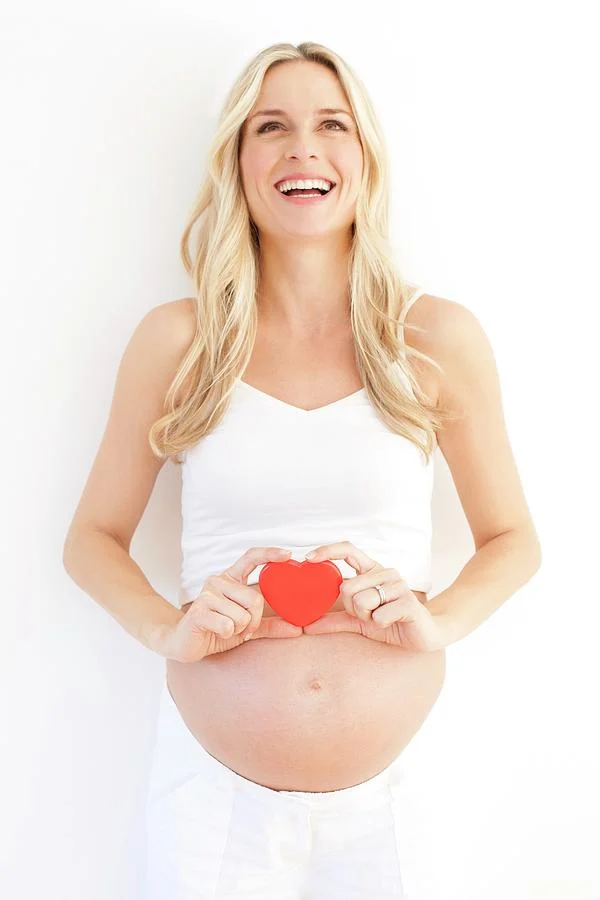
The Link Between Weight and Age: How It Affects Your Chances of Conceiving
The link between weight and age:
Weight and age are closely linked when it comes to fertility. As women age, they are more likely to gain weight, and this can further impact their chances of conceiving. As mentioned earlier, excess weight can lead to hormonal imbalances, which can affect ovulation and make it challenging to get pregnant.
Additionally, as women age, their metabolism slows down, and they tend to lose muscle mass and gain more fat, especially around the abdominal area. This increase in abdominal fat can also lead to insulin resistance, which can further affect ovulation and fertility.
Moreover, age and weight can also impact a woman’s reproductive health in other ways. For example, women who are overweight or obese are at a higher risk of developing gestational diabetes and preeclampsia during pregnancy, which can affect the health of both the mother and the baby.
What can be done?
Maintaining a healthy weight is crucial for women who are trying to conceive. This can be achieved through a combination of a healthy diet and regular exercise. A healthy diet should include a variety of fruits, vegetables, whole grains, lean proteins, and healthy fats. It is essential to avoid processed and high-fat foods, as well as excessive sugar and alcohol consumption.
Exercise is also crucial as it helps maintain a healthy weight and can improve ovulation and fertility. However, it is essential to consult a doctor before starting any exercise routine, especially if you are trying to conceive.
For women who are overweight or obese, losing even a small percentage of body weight can improve their chances of getting pregnant. Studies have shown that losing just 5-10% of body weight can improve ovulation and increase the chances of conception.
In addition to maintaining a healthy weight, it is also essential for women to be aware of their age and how it can affect their fertility. If you are in your late 30s or early 40s, it is crucial to seek help from a fertility specialist if you have been trying to conceive for six months or more. This can help identify any potential issues and help you make informed decisions about your fertility.
In conclusion, weight and age are two important factors that can significantly impact a woman’s chances of conceiving. Maintaining a healthy weight and being aware of age-related declines in fertility can improve the chances of getting pregnant. Consultation with a doctor and seeking help from a fertility specialist can also be beneficial in understanding and addressing any potential issues.
Summary:
Weight and age are two major factors that can affect a woman’s chances of conceiving. Being underweight or overweight can lead to hormonal imbalances and irregular periods, making it challenging to predict ovulation and get pregnant. Age also plays a significant role in fertility, as women’s fertility declines as they age. Additionally, weight and age are closely linked, and as women age, they are more likely to gain weight, which can further impact their chances of conceiving. Maintaining a healthy weight through a balanced diet and regular exercise is crucial for improving fertility. Seeking help from a fertility specialist can also be beneficial for women who have been trying to conceive for six months or more.