Blog Post: The Role of Nutrition in Natural Family Planning for Pregnancy
Pregnancy is a beautiful and life-changing journey for women, but it can also be a challenging and overwhelming experience. With so many factors to consider, from choosing the right prenatal care to preparing for labor and delivery, it’s essential to have a well-rounded approach to ensuring a healthy pregnancy. One crucial aspect that is often overlooked is nutrition. Proper nutrition plays a vital role in natural family planning for pregnancy, and in this blog post, we will explore the importance of nutrition in this process.
Natural Family Planning (NFP) is a method that allows women to track their menstrual cycle and identify their fertile and non-fertile days to prevent or plan pregnancy. This method is based on the understanding that women are only fertile for a limited number of days each month, typically around ovulation. By tracking their menstrual cycle, women can identify these fertile days and either avoid or plan for pregnancy accordingly.
Nutrition is an essential factor in natural family planning for pregnancy as it directly impacts a woman’s menstrual cycle and fertility. Here’s how:
1. Maintaining a Healthy Weight
One of the key elements of natural family planning is understanding and tracking one’s menstrual cycle. However, various factors, such as stress, illness, and weight fluctuations, can affect the regularity of a woman’s cycle. Being either overweight or underweight can disrupt the hormonal balance in the body, leading to irregular periods and fertility issues.
Therefore, maintaining a healthy weight through proper nutrition is crucial for natural family planning. A diet rich in whole foods, including fruits, vegetables, lean proteins, and healthy fats, can help regulate hormones and support a healthy menstrual cycle. On the other hand, excessive consumption of processed and high-fat foods can lead to weight gain and interfere with fertility.
2. Balancing Hormones
Hormonal imbalances can also affect the success of natural family planning. These imbalances can impact the regularity of a woman’s menstrual cycle and, in turn, make it challenging to identify fertile days accurately. Nutrition plays a significant role in balancing hormones and promoting reproductive health.
Eating a diet rich in nutrients such as iron, zinc, and magnesium, can support hormone production and function. These essential minerals can be found in foods like leafy greens, nuts, seeds, and legumes. Additionally, including healthy fats like avocados, olive oil, and fatty fish can also help regulate hormones.
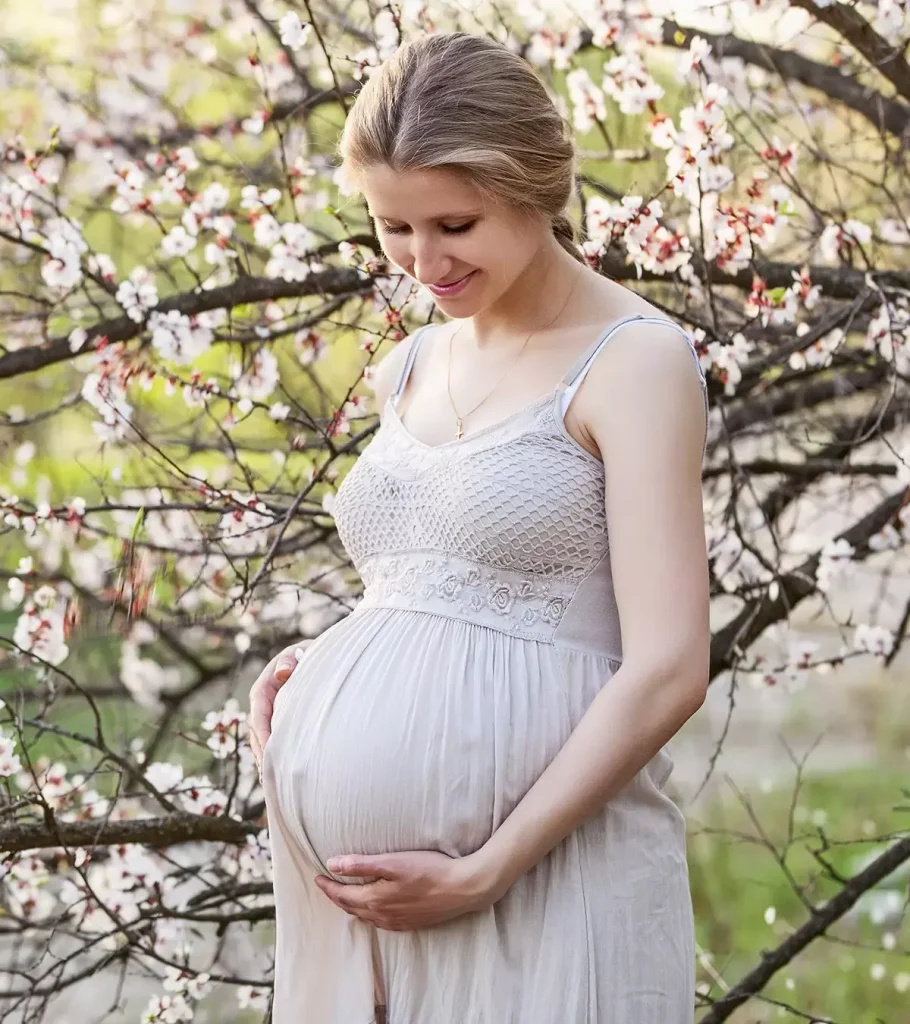
The Role of Nutrition in Natural Family Planning for Pregnancy
3. Boosting Fertility
For couples trying to conceive, natural family planning can be a useful tool in identifying the most fertile days of a woman’s cycle. However, nutrition also plays a significant role in fertility and can increase the chances of conception.
Certain nutrients, such as folic acid, have been linked to improved fertility in women. Foods rich in folic acid, such as leafy greens, broccoli, and citrus fruits, can help regulate ovulation and increase the chances of pregnancy. Other essential nutrients for fertility include iron, calcium, and vitamin D, all of which can be obtained through a well-balanced diet.
4. Preparing for Pregnancy
Nutrition also plays a crucial role in preparing a woman’s body for pregnancy. A healthy, well-rounded diet can help ensure that the body has all the necessary nutrients to support a growing baby. Additionally, women who are planning to conceive can benefit from specific prenatal supplements, such as folic acid and vitamin D, to support their fertility and reduce the risk of birth defects in their future child.
Furthermore, proper nutrition can also help prevent certain pregnancy complications, such as gestational diabetes and preeclampsia. By following a balanced diet, women can reduce the risk of developing these conditions and have a healthier pregnancy overall.
5. Supporting Overall Health
Lastly, nutrition is essential for overall health and well-being, which is crucial for a successful pregnancy. A diet rich in whole, nutrient-dense foods can help boost the immune system, improve energy levels, and reduce the risk of chronic diseases. By taking care of one’s overall health, women can ensure that their body is in the best possible state to support a pregnancy.
In conclusion, nutrition plays a vital role in natural family planning for pregnancy. From maintaining a healthy weight and balancing hormones to boosting fertility and preparing for pregnancy, proper nutrition is essential for a successful and healthy pregnancy journey. By following a well-rounded, nutrient-rich diet, women can optimize their fertility, support their overall health, and increase their chances of having a healthy baby.
In summary, proper nutrition is crucial in natural family planning for pregnancy as it impacts a woman’s menstrual cycle, fertility, and overall health. Maintaining a healthy weight, balancing hormones, boosting fertility, preparing for pregnancy, and supporting overall health are all important aspects of natural family planning that can be achieved through a well-balanced diet.