Blog Post: The Ultimate Guide to Natural Family Planning for Conception
Are you and your partner ready to start a family? If you’re trying to conceive, you may have considered using natural family planning as a method for increasing your chances of getting pregnant. Natural family planning, also known as fertility awareness or natural fertility management, involves tracking your menstrual cycle and understanding your body’s natural signs of fertility to determine the best time to try for a baby. In this blog post, we will provide you with the ultimate guide to natural family planning for conception.
Understanding Your Menstrual Cycle
The first step in natural family planning for conception is understanding your menstrual cycle. The average menstrual cycle is 28 days, but it can range from 21 to 35 days. Day one of your cycle is the first day of your period. During the first half of your cycle, known as the follicular phase, your body prepares for ovulation by producing estrogen. Ovulation typically occurs on day 14, but it can vary from woman to woman and even from cycle to cycle. The second half of your cycle, known as the luteal phase, is when your body prepares for pregnancy by producing progesterone.
Tracking Your Cycle
Now that you understand the basics of your menstrual cycle, the next step is to start tracking it. There are several methods you can use to track your cycle, such as:
1. Basal Body Temperature (BBT) Charting: This method involves taking your temperature every morning before getting out of bed. Your BBT rises slightly after ovulation, so tracking your temperature can help you determine when you are most fertile.
2. Cervical Mucus Monitoring: The consistency and color of your cervical mucus changes throughout your cycle. During ovulation, your mucus becomes thin, clear, and stretchy, similar to the consistency of egg whites.
3. Ovulation Predictor Kits: These kits measure the levels of luteinizing hormone (LH) in your urine, which surges 24 to 36 hours before ovulation. Using an ovulation predictor kit can help you pinpoint your most fertile days.
4. Menstrual Cycle Apps: There are several apps available that can help you track your cycle and predict your fertile window. They use data such as your period start date, cycle length, and symptoms to calculate your fertile days.
Determining Your Fertile Window
By tracking your cycle, you can determine your fertile window, which is the time when you are most likely to conceive. Your fertile window includes the five days before ovulation and the day of ovulation itself. Sperm can survive in the female reproductive tract for up to five days, so having intercourse during this time increases your chances of getting pregnant.
Factors that can affect your fertile window include:
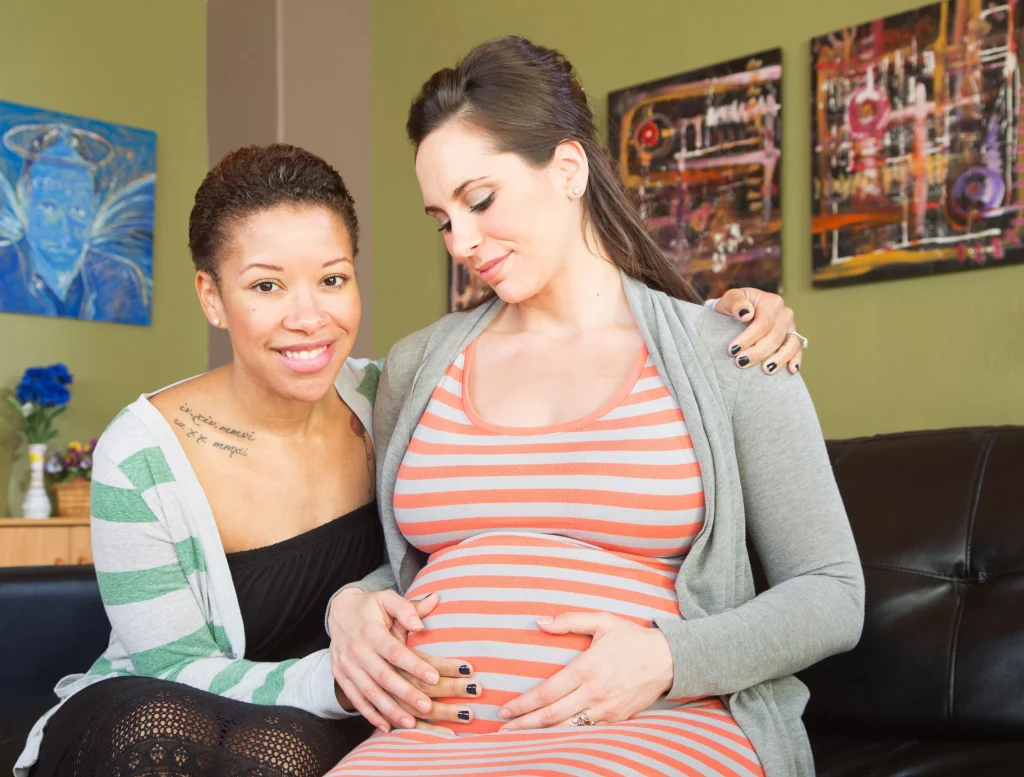
The Ultimate Guide to Natural Family Planning for Conception
1. Stress: High levels of stress can affect your hormones and disrupt your menstrual cycle, making it difficult to predict your fertile days.
2. Illness or Medications: Certain illnesses or medications can also affect your hormonal balance and alter your fertile window.
3. Age: As women age, their fertility declines, and their fertile window may become shorter.
4. Irregular Cycles: If you have irregular cycles, it can be challenging to determine your fertile window. Consult with your healthcare provider for guidance on tracking your cycle and determining your fertile days.
Tips for Increasing Your Fertility
In addition to tracking your cycle and determining your fertile window, there are some other steps you can take to increase your chances of conceiving naturally. These include:
1. Eating a Healthy Diet: A balanced diet rich in fruits, vegetables, whole grains, and lean proteins can help improve your overall health and increase your fertility.
2. Avoiding Harmful Substances: Smoking, excessive alcohol consumption, and drug use can all have a negative impact on your fertility.
3. Maintaining a Healthy Weight: Being underweight or overweight can affect your hormonal balance and decrease your fertility. Aim to maintain a healthy weight through diet and exercise.
4. Having Regular Intercourse: The more frequently you have intercourse during your fertile window, the higher your chances of conceiving.
5. Seeking Medical Help if Needed: If you have been trying to conceive for over a year with no success, it may be time to consult with a fertility specialist for further evaluation and assistance.
Summary:
Natural family planning for conception involves tracking your menstrual cycle and understanding your body’s natural signs of fertility to determine the best time to try for a baby. This can be done through methods such as BBT charting, cervical mucus monitoring, ovulation predictor kits, and menstrual cycle apps. Your fertile window includes the five days before ovulation and the day of ovulation itself. Factors such as stress, illness, age, and irregular cycles can affect your fertile window. To increase your chances of conceiving, maintain a healthy lifestyle, have regular intercourse, and seek medical help if needed.