Natural Family Planning (NFP) is a popular method of family planning that involves tracking a woman’s menstrual cycle to identify fertile and infertile days for conceiving or avoiding pregnancy. While NFP can be an effective and natural way to conceive, it is not foolproof and can be prone to mistakes. In this blog post, we will discuss some common mistakes to avoid when using natural family planning for conceiving at home.
1. Not Understanding the Fertility Cycle:
The first and most crucial step in using NFP for conceiving is understanding the fertility cycle. This includes knowing the different phases of the menstrual cycle and how to track them accurately. Many couples make the mistake of assuming that ovulation occurs on the 14th day of the cycle, which is not always the case. It is essential to understand that every woman’s cycle is unique, and ovulation can occur at different times for different women. Therefore, it is crucial to track your cycle accurately by using methods such as tracking basal body temperature, cervical mucus, and ovulation predictor kits.
2. Not Being Consistent with Tracking:
Another common mistake when using NFP for conceiving is not being consistent with tracking. It is essential to track your fertility signs daily and at the same time each day to get accurate results. Skipping a day or tracking at different times can lead to incorrect predictions, making it challenging to conceive. Set a reminder or use a tracking app to help you stay consistent with your tracking.
3. Not Accounting for Sperm Survival:
Many couples make the mistake of assuming that sperm can only survive for a day or two inside the female body. However, sperm can survive for up to five days, making it possible to conceive even if you have intercourse several days before ovulation. This is why it is crucial to track your fertility signs throughout the entire cycle, not just during the predicted ovulation window.
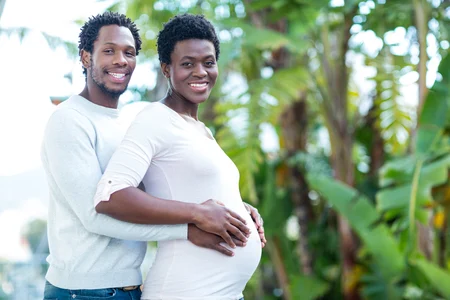
Common Mistakes to Avoid When Using Natural Family Planning for Conceiving at Home
4. Not Understanding the Effect of Stress:
Stress can have a significant impact on a woman’s menstrual cycle and ovulation. High levels of stress can delay ovulation or even cause a skipped period, making it challenging to track accurately. It is vital to manage stress levels when using NFP for conceiving, as it can affect the timing of ovulation and throw off your predictions. Consider incorporating relaxation techniques such as meditation, yoga, or deep breathing into your daily routine.
5. Not Communicating with Your Partner:
Using NFP for conceiving requires open and honest communication with your partner. Many couples make the mistake of assuming that the woman is solely responsible for tracking and monitoring fertility signs. This can lead to misunderstandings and missed opportunities for conception. It is crucial to involve your partner in the process and communicate openly about your fertility signs and predictions.
6. Not Having Realistic Expectations:
It is essential to have realistic expectations when using NFP for conceiving. While it can be an effective method, it is not a guarantee of pregnancy. Factors such as age, underlying health conditions, and fertility issues can also play a role in conceiving. It is crucial to have patience and not get discouraged if you do not conceive right away. Consult with a healthcare provider if you have been trying to conceive for more than a year without success.
7. Not Seeking Professional Guidance:
Lastly, one of the most significant mistakes couples make is not seeking professional guidance when using NFP for conceiving. While NFP is a natural method, it is always advisable to consult with a healthcare provider who is knowledgeable about fertility and NFP. They can provide personalized guidance and support and help you troubleshoot any issues you may encounter.
In conclusion, NFP can be an effective and natural way to conceive, but it is not without its challenges. It is essential to understand and track your fertility cycle accurately, be consistent with tracking, and be aware of factors that can affect ovulation. Open communication, realistic expectations, and seeking professional guidance can also greatly increase your chances of successfully conceiving with NFP.