Pregnancy is a time when women experience a wide range of emotions and physical changes. It is also a time when they are bombarded with information and advice about what they should and should not eat. With so many myths and misconceptions surrounding pregnancy nutrition, it can be overwhelming for expectant mothers to know what is true and what is not. In this blog post, we will debunk some common pregnancy nutrition myths and provide evidence-based information to help mothers-to-be make informed choices for a healthy pregnancy.
Myth #1: Eating for Two
One of the most common misconceptions about pregnancy nutrition is that expectant mothers need to eat for two people. This is not true. While it is important to increase calorie intake during pregnancy, the recommended amount is only an additional 300-500 calories per day. The focus should be on the quality of the calories, not just the quantity.
Eating too much during pregnancy can lead to excessive weight gain, which can increase the risk of complications such as gestational diabetes, high blood pressure, and a difficult delivery. Instead of eating for two, mothers-to-be should focus on nutrient-dense foods that provide essential vitamins, minerals, and macronutrients for the growing baby and their own health.
Myth #2: Avoid Seafood
There is a common belief that pregnant women should avoid seafood due to the risk of mercury poisoning. While it is true that some fish contain high levels of mercury, there are also many types of seafood that are safe and highly beneficial during pregnancy.
Fish like salmon, sardines, and trout are excellent sources of omega-3 fatty acids, which are crucial for brain and eye development in the baby. They also contain high levels of protein and other nutrients such as iron and vitamin D. Pregnant women can safely consume up to 12 ounces of low-mercury seafood per week, making it an important part of a healthy pregnancy diet.
Myth #3: No Caffeine Allowed
Many women are told to completely avoid caffeine during pregnancy, but this is not entirely true. While it is recommended to limit caffeine intake, moderate consumption (less than 200mg per day) is considered safe for pregnant women. This is equivalent to one 12-ounce cup of coffee.
Caffeine can have some negative effects on pregnancy, such as interfering with iron absorption and potentially increasing the risk of miscarriage. However, it is also found in many healthy foods and beverages such as tea, dark chocolate, and some fruits. Moderation and choosing caffeine sources wisely can help pregnant women enjoy their favorite treats without putting their health at risk.
Myth #4: Skip the Exercise
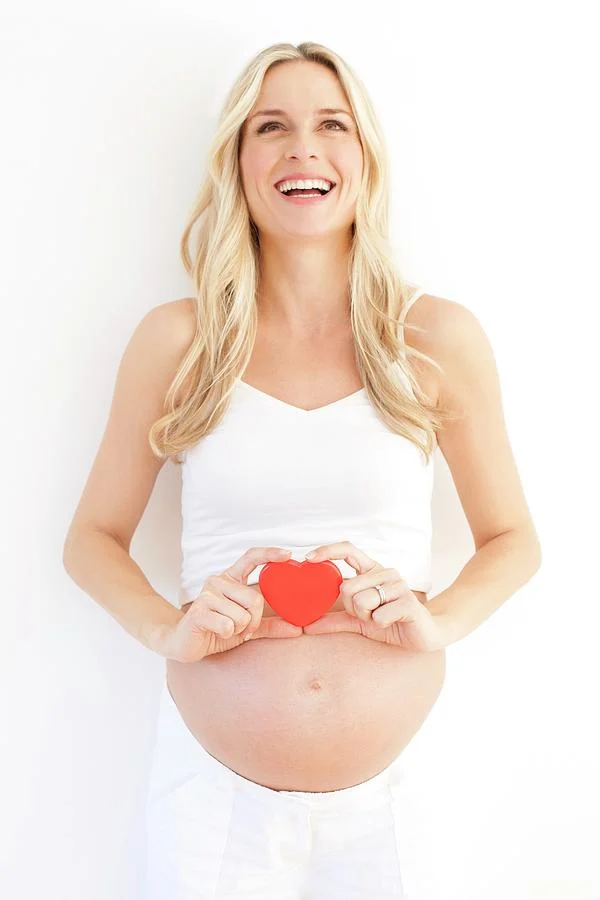
Pregnancy Nutrition Myths Debunked
There is a common misconception that pregnant women should rest and avoid any physical activity. However, exercise during pregnancy has many benefits for both the mother and baby. It can help reduce the risk of gestational diabetes, improve mood and sleep, and prepare the body for labor and delivery.
Of course, pregnant women should not engage in high-intensity or risky activities. Instead, low-impact exercises such as prenatal yoga, walking, and swimming are recommended. It is important to consult with a healthcare provider before starting any exercise routine during pregnancy.
Myth #5: No Sushi Allowed
Sushi is often considered a food to avoid during pregnancy due to the risk of food poisoning. However, with proper precautions, pregnant women can safely enjoy sushi. The key is to choose sushi that is made with cooked fish or vegetables, and to avoid raw fish and seafood.
Raw fish and seafood can contain harmful bacteria and parasites that can cause foodborne illnesses. However, cooked sushi rolls and vegetarian options such as avocado and cucumber rolls are safe to consume during pregnancy. It is also important to make sure that the sushi is freshly made and from a reputable source.
Myth #6: Say No to Food Cravings
Pregnant women often experience food cravings, and there is a common belief that they should be avoided or ignored. However, food cravings can be a way for the body to signal nutritional needs. For example, craving red meat may indicate a need for iron, while craving dairy may indicate a need for calcium.
It is important for pregnant women to listen to their bodies and satisfy cravings in a healthy way. This means choosing nutrient-dense options instead of indulging in processed and unhealthy foods. It is also important to maintain a balanced and varied diet to ensure all nutritional needs are met.
Myth #7: Vegetarian Diets are Not Safe During Pregnancy
There is a misconception that pregnant women cannot follow a vegetarian or vegan diet due to the lack of essential nutrients. However, with proper planning and supplementation, vegetarian and vegan diets can provide all the necessary nutrients for a healthy pregnancy.
Plant-based sources of protein such as legumes, tofu, and quinoa can provide ample amounts of protein and other essential nutrients. It is important to work with a healthcare provider and a registered dietitian to ensure a well-balanced and nutrient-dense vegetarian or vegan diet during pregnancy.
In summary, there are many myths and misconceptions surrounding pregnancy nutrition. However, it is important for expectant mothers to educate themselves and make informed choices based on evidence-based information. Eating a well-balanced and varied diet, staying active, and listening to the body’s needs are key to a healthy pregnancy for both the mother and baby.