Navigating Conception in Your Late 30s: What You Need to Know
For many women, the idea of becoming a mother in their late 30s can bring about a mix of emotions. On one hand, they may feel ready to start a family and excited about the prospect of having children. On the other hand, they may also feel anxious and worried about the potential challenges of conceiving at a later age.
While it is true that fertility declines with age, it is important to note that many women in their late 30s are still able to conceive and have healthy pregnancies. However, there are some important factors to consider and steps to take when navigating conception in your late 30s. In this blog post, we will discuss what you need to know about conceiving in your late 30s and how to increase your chances of a successful pregnancy.
Understanding Fertility in Your Late 30s
As women age, their fertility naturally decreases. This is due to a decline in the number and quality of eggs as well as changes in hormonal levels. In fact, after the age of 35, a woman’s fertility starts to decline at a faster rate. By the age of 40, her chances of conceiving naturally decrease to about 5% per menstrual cycle.
However, it is important to note that every woman’s fertility journey is unique and there are many factors that can affect fertility. For example, some women may experience earlier menopause or have underlying health conditions that can impact their fertility. Therefore, it is important to consult with a healthcare provider to understand your individual fertility status.
Factors Affecting Conception in Your Late 30s
Aside from age, there are other factors that can affect your chances of conceiving in your late 30s. These include:
1. Lifestyle habits: Smoking, excessive alcohol consumption, and a sedentary lifestyle can all impact fertility. It is important to maintain a healthy lifestyle and avoid these habits when trying to conceive.
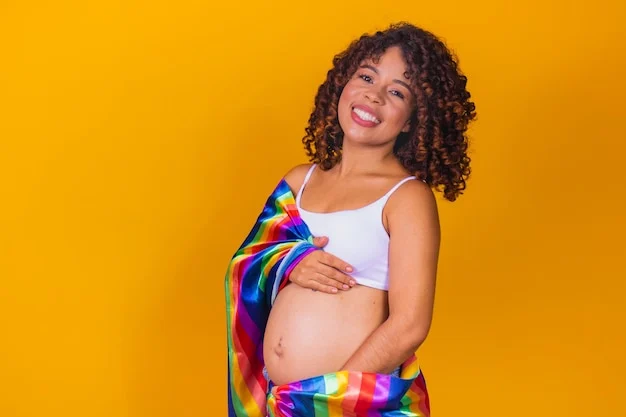
Navigating Conception in Your Late 30s: What You Need to Know
2. Underlying health conditions: Conditions such as endometriosis, polycystic ovary syndrome (PCOS), and thyroid disorders can all affect fertility. It is important to address any underlying health issues before trying to conceive.
3. Partner’s fertility: It is not just the woman’s fertility that affects conception. A man’s sperm quality and quantity can also play a role. It is important for both partners to undergo fertility testing if difficulties in conceiving arise.
4. Timing of intercourse: The window for conception is only a few days each month, around the time of ovulation. It is important to track your ovulation and have intercourse during this time to increase your chances of conception.
Tips for Navigating Conception in Your Late 30s
1. Start with a preconception checkup: Before trying to conceive, it is important to consult with a healthcare provider. They can assess your overall health and provide guidance on any lifestyle changes or treatments that may be necessary.
2. Track your ovulation: As mentioned earlier, timing is crucial when it comes to conception. There are many methods for tracking ovulation, such as using ovulation predictor kits or tracking basal body temperature. Find the method that works best for you and make sure to have intercourse during the most fertile days of your cycle.
3. Maintain a healthy lifestyle: Eating a balanced diet, exercising regularly, and avoiding harmful habits can all positively impact your fertility. It is also important to maintain a healthy weight, as being either underweight or overweight can affect fertility.
4. Consider fertility treatments: If you have been trying to conceive for a year with no success, or six months if you are over the age of 35, it may be time to consider fertility treatments. Options such as intrauterine insemination (IUI) and in vitro fertilization (IVF) can increase your chances of conception.
5. Be patient and stay positive: It is important to remember that conception may take longer in your late 30s, but it is still possible. It is important to stay positive and not let stress and anxiety take over. Seek support from your partner, friends, and family during this time.
In summary, while age can play a role in fertility, it is possible to conceive in your late 30s with proper planning and care. Understanding your individual fertility status, addressing any underlying health conditions, and making lifestyle changes can all increase your chances of a successful pregnancy. And most importantly, stay positive and patient throughout the journey.