Conceiving in Your 30s: Planning for the Future
As more women are choosing to delay childbearing until their 30s, it’s important to understand the potential challenges and benefits that come with conception during this stage of life. While there are certainly benefits to waiting, there are also some potential risks and considerations that should be taken into account. In this blog post, we will discuss the pros and cons of conceiving in your 30s and offer some tips for planning for the future.
Pros of Conceiving in Your 30s
One of the main benefits of conceiving in your 30s is that you have more time to focus on your career and personal goals before starting a family. This can be especially beneficial for women who want to establish themselves in their careers or pursue higher education before having children. Additionally, women in their 30s may have more financial stability and a better understanding of what they want in life, making them more prepared to handle the responsibilities of parenthood.
Another advantage of conceiving in your 30s is that you are more likely to have a stable and supportive relationship. By this age, most people have had the time to figure out what they want in a partner and have established a strong foundation for their relationship. This can lead to a more harmonious and fulfilling family life.
Furthermore, women in their 30s are generally healthier and have a lower risk of pregnancy complications compared to women in their 40s. This is because fertility declines gradually throughout a woman’s 30s, giving her a better chance of conceiving naturally and carrying a healthy pregnancy to term. Additionally, women in their 30s are less likely to experience pregnancy-related health issues such as gestational diabetes and high blood pressure.
Cons of Conceiving in Your 30s
While there are certainly benefits to conceiving in your 30s, there are also some potential risks and challenges to consider. One of the main concerns is the declining fertility rate in women as they get older. A woman’s fertility starts to decline in her late 20s and continues to decrease in her 30s. This can make it more difficult to conceive naturally and increase the chances of needing fertility treatments.
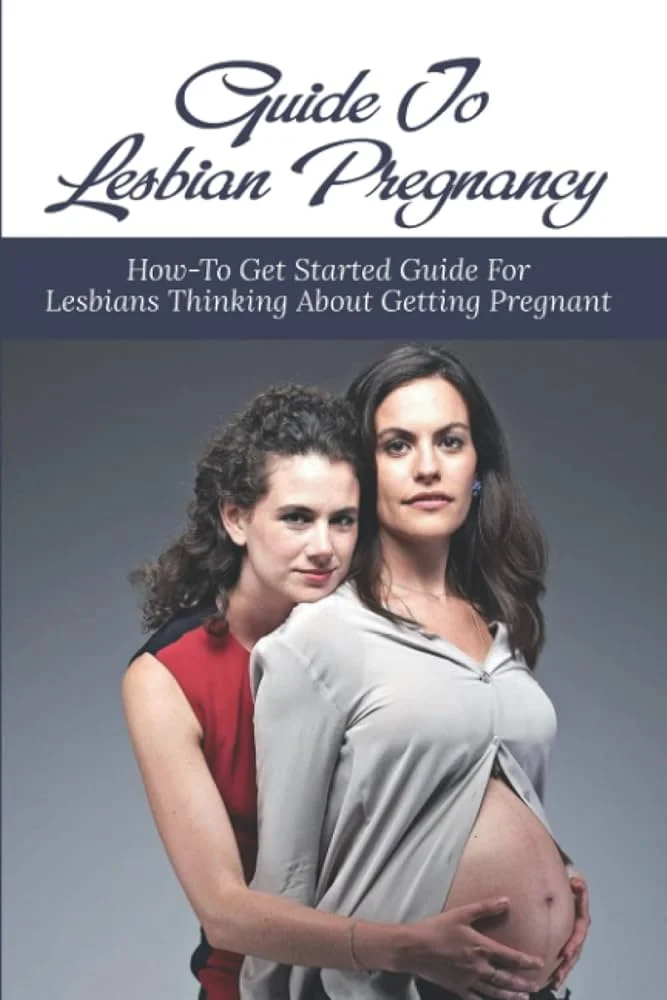
Conceiving in Your 30s: Planning for the Future
Another potential challenge is the increased risk of pregnancy complications and birth defects. As a woman gets older, her eggs also age, which can increase the risk of chromosomal abnormalities and birth defects in the baby. There is also a higher risk of developing conditions such as gestational diabetes and high blood pressure during pregnancy, which can have long-term health implications for both the mother and the baby.
Planning for the Future
If you are considering conceiving in your 30s, it’s important to plan ahead and make informed decisions. Here are some tips to help you prepare for the future:
1. Educate yourself about your fertility: As mentioned earlier, fertility starts to decline in a woman’s 30s. It’s important to educate yourself about your fertility and understand your options for conceiving, such as egg freezing or fertility treatments.
2. Take care of your health: Your health plays a crucial role in your fertility and pregnancy. Make sure to maintain a healthy weight, eat a balanced diet, and exercise regularly. It’s also important to avoid smoking, excessive alcohol consumption, and other unhealthy habits that can affect your fertility and pregnancy.
3. Consider genetic testing: As the risk of chromosomal abnormalities increases with age, it may be beneficial to consider genetic testing before trying to conceive. This can help identify any potential risks and allow you to make informed decisions about your pregnancy.
4. Plan your finances: Having a baby can be expensive, so it’s important to plan your finances and make sure you are financially prepared for the responsibilities of parenthood. This may include saving for fertility treatments, pregnancy-related medical expenses, and the cost of raising a child.
5. Have a support system: Starting a family can be challenging, especially if you are doing it in your 30s. Having a support system of friends and family can make a huge difference in your journey to parenthood. It’s important to have people you can rely on for emotional support, practical help, and advice.
In conclusion, conceiving in your 30s has its own set of benefits and challenges. By understanding your options, taking care of your health, and planning for the future, you can make informed decisions and increase your chances of having a healthy pregnancy and baby. Whether you choose to start a family in your 30s or later, the most important thing is to do what feels right for you and your partner.