Blog Post:
Are you struggling with fertility issues and trying to conceive? Creating a fertility calendar at home can be a helpful tool in your journey towards pregnancy. By understanding your menstrual cycle and tracking important fertility indicators, you can personalize your path to pregnancy and increase your chances of success.
Understanding Your Menstrual Cycle
The first step in creating a fertility calendar is understanding your menstrual cycle. The menstrual cycle is controlled by hormones, specifically estrogen and progesterone, which regulate the growth and release of the egg from the ovary. On average, a menstrual cycle is 28 days long, but it can vary from person to person.
The menstrual cycle is divided into two phases: the follicular phase and the luteal phase. The follicular phase begins on the first day of your period and lasts until ovulation. During this phase, estrogen levels rise and stimulate the growth of the egg in the ovary. The luteal phase starts after ovulation and lasts until the start of your next period. During this phase, progesterone levels rise to prepare the uterus for pregnancy.
Tracking Fertility Indicators
There are several fertility indicators that can help you track your menstrual cycle and determine when you are most fertile. These include basal body temperature, cervical mucus, and ovulation predictor kits.
Basal Body Temperature (BBT) is your body’s temperature at rest. It is typically lower in the first half of your cycle and rises after ovulation due to the increase in progesterone. By tracking your BBT every morning, you can identify the slight increase that occurs after ovulation and confirm that you have ovulated.
Cervical mucus is a fluid produced by the cervix that changes throughout your cycle. During the follicular phase, the mucus is thin, watery, and clear, making it easier for sperm to swim through. As you approach ovulation, the mucus becomes thicker, stretchier, and more abundant. This is known as “egg white” cervical mucus and indicates that you are approaching your fertile window.
Ovulation predictor kits (OPKs) work by detecting the surge of luteinizing hormone (LH) that occurs right before ovulation. LH is responsible for triggering the release of the egg from the ovary. By using an OPK, you can pinpoint the best time to try to conceive.
Creating Your Fertility Calendar
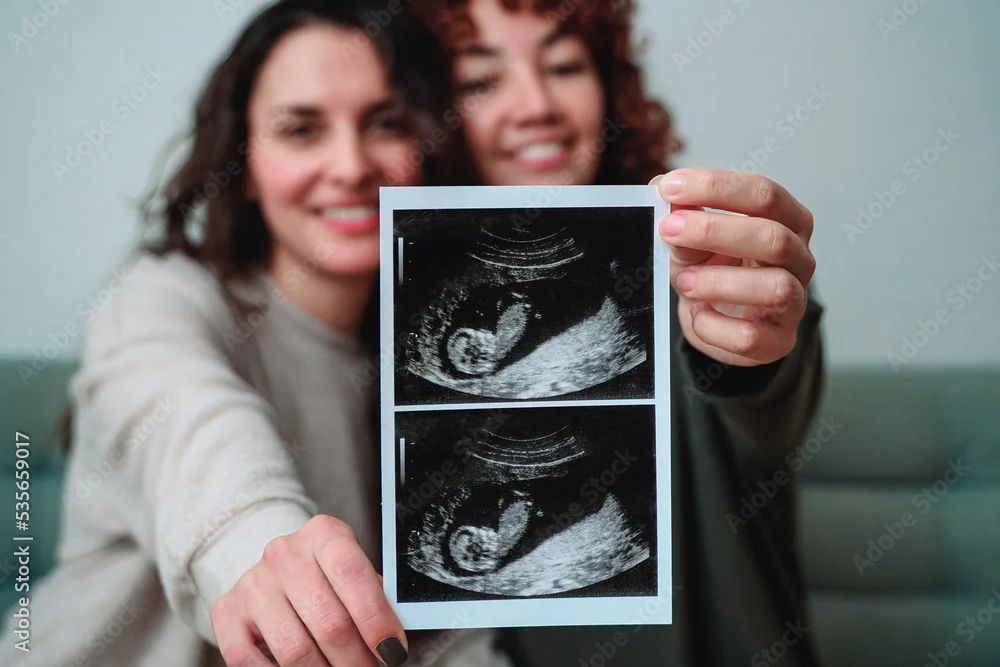
Your Personalized Path to Pregnancy: Creating a Fertility Calendar at Home
Now that you understand your menstrual cycle and the different fertility indicators, it’s time to create your fertility calendar. This can be done using a traditional paper calendar, a fertility tracking app, or a spreadsheet.
Start by marking the first day of your period as day one of your cycle. Then, track your BBT, cervical mucus, and OPK results each day. This will help you identify patterns in your cycle and determine when you are most fertile. It’s important to note that not all women have a 28-day cycle, so it’s essential to track your individual cycle length to determine your fertile window accurately.
Once you have tracked your indicators for a few months, you may notice patterns emerging. For example, you may notice that you always have a temperature spike on day 14 of your cycle, indicating ovulation. Or, you may see that your cervical mucus changes to “egg white” consistently on day 12. These patterns can help you predict when you are most fertile and plan for intercourse accordingly.
Personalizing Your Fertility Calendar
While tracking your menstrual cycle and fertility indicators is essential, it’s also crucial to personalize your fertility calendar. Every woman’s body is unique, and what works for one person may not work for another. It’s essential to listen to your body and make adjustments to your fertility calendar as needed.
For example, if you notice that your BBT is not rising after ovulation, it may indicate a potential issue with your progesterone levels. In this case, you may want to consult with a fertility specialist to explore options for increasing progesterone and improving your chances of conception.
Additionally, stress, diet, and exercise can all impact your fertility. It’s essential to prioritize self-care and make adjustments to your lifestyle as needed. This may include incorporating relaxation techniques, such as yoga or meditation, into your daily routine, or making dietary changes to support your reproductive health.
Conclusion
Creating a fertility calendar at home can be a useful tool in your journey towards pregnancy. By understanding your menstrual cycle and tracking important fertility indicators, you can personalize your path to pregnancy and increase your chances of success. Remember to listen to your body, prioritize self-care, and seek help from a fertility specialist if needed. With patience and perseverance, your personalized fertility calendar can help you achieve your dream of becoming a parent.
Summary:
Struggling with fertility issues and trying to conceive? Creating a fertility calendar at home can be a helpful tool in your journey towards pregnancy. The first step is understanding your menstrual cycle, which is controlled by hormones and divided into two phases: the follicular phase and the luteal phase. You can track important fertility indicators, such as basal body temperature, cervical mucus, and ovulation predictor kits, to determine when you are most fertile. By creating a fertility calendar and personalizing it to your unique body and lifestyle, you can increase your chances of conceiving. Remember to prioritize self-care and seek help from a fertility specialist if needed. With patience and perseverance, your personalized fertility calendar can help you achieve your dream of becoming a parent.