Household pesticides are commonly used to kill pests and insects in and around our homes. However, while they may be effective in keeping our homes free from unwanted critters, they can also have negative effects on our health. In particular, the use of household pesticides has been linked to female fertility issues.
In this blog post, we will explore the various ways in which household pesticides can impact female fertility and what steps can be taken to minimize exposure.
The Effects of Household Pesticides on Female Fertility
Pesticides are chemicals that are designed to kill pests and insects. They can be found in various forms such as sprays, powders, and baits, and are commonly used in households to control insects like cockroaches, ants, and mosquitoes. These chemicals work by disrupting the nervous system of pests, causing paralysis and death.
However, household pesticides do not only affect pests, but they can also have harmful effects on humans, particularly on female fertility. Here are some of the ways in which household pesticides can impact female fertility:
1. Disruption of Hormonal Balance
Many household pesticides contain endocrine-disrupting chemicals (EDCs) that can interfere with the body’s hormonal balance. These chemicals can mimic the effects of estrogen or block the production of certain hormones, leading to hormonal imbalances. This can cause problems with ovulation, menstrual cycles, and overall reproductive health.
2. Reduced Ovarian Function
Exposure to household pesticides has been linked to reduced ovarian function, which can negatively impact fertility. A study published in the journal Environmental Health Perspectives found that women who were exposed to high levels of pesticides in their homes had a significantly lower number of follicles (the structures that contain eggs) in their ovaries compared to those with low exposure. This can make it more difficult for women to conceive.
3. Increased Risk of Miscarriage
Pesticides are also known to increase the risk of miscarriage in women. A study conducted by the National Institute of Environmental Health Sciences found that women who were exposed to pesticides during their first trimester of pregnancy had a higher risk of miscarriage compared to those who were not exposed. This is because these chemicals can interfere with the development of the fetus and lead to pregnancy complications.
4. Higher Risk of Endometriosis
Endometriosis is a condition in which the tissue that normally lines the uterus grows outside of it, causing inflammation and scarring. Studies have shown that exposure to pesticides, particularly organochlorine pesticides, can increase the risk of endometriosis in women. This condition can lead to infertility and other reproductive health issues.
5. Impact on Egg Quality
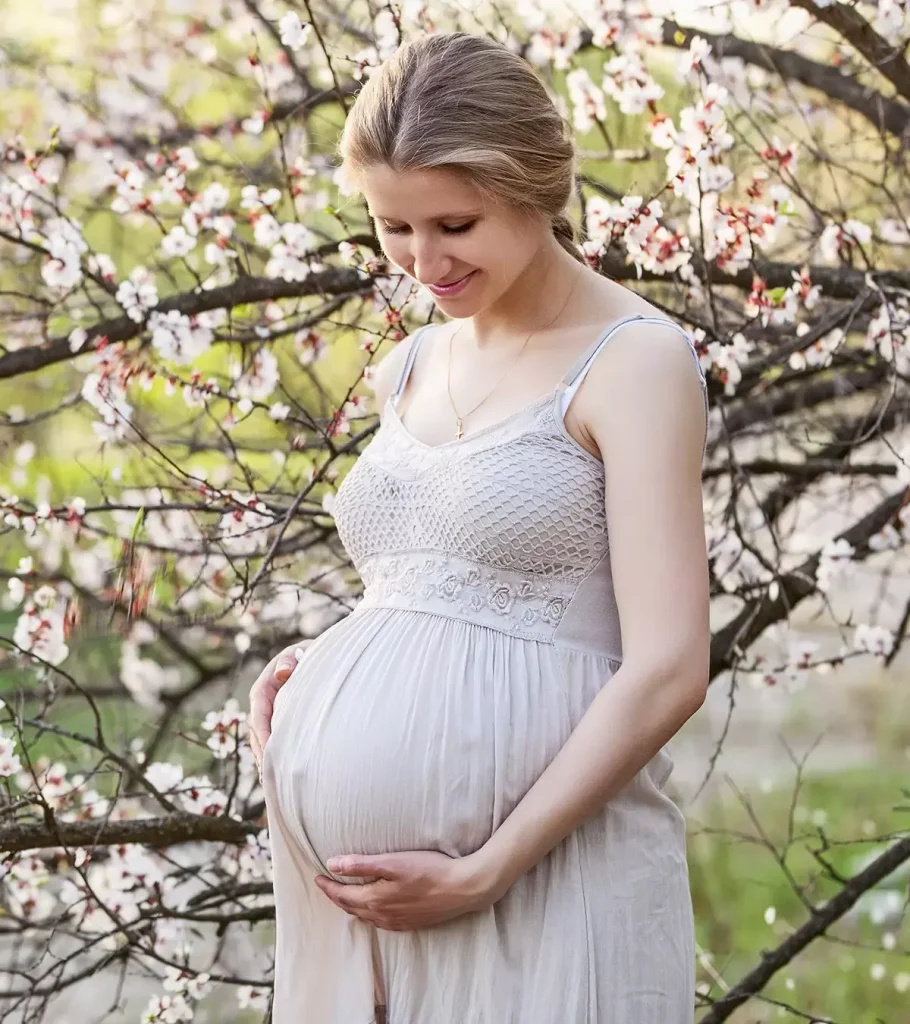
The Effects of Household Pesticides on Female Fertility
Pesticides can also have a negative impact on egg quality in women. A study published in the journal Environmental Research found that women who were exposed to higher levels of pesticides had lower levels of a protein that is essential for the development and maturation of eggs. This can affect the quality of eggs and make it more difficult for women to conceive.
Minimizing Exposure to Household Pesticides
While the use of household pesticides may seem like a necessary evil, there are steps that can be taken to minimize exposure and protect female fertility. Here are some tips to consider:
1. Use Natural Alternatives
Instead of using chemical pesticides, consider using natural alternatives such as essential oils, diatomaceous earth, or vinegar to control pests in your home. These options are safer for both humans and the environment.
2. Follow Safety Instructions
If you do choose to use household pesticides, make sure to read and follow the safety instructions on the label carefully. Wear protective gear such as gloves, a mask, and long-sleeved clothing when handling these chemicals.
3. Keep Pesticides Out of Reach
Store pesticides in a locked cabinet or out of reach of children and pets. This will reduce the risk of accidental exposure.
4. Wash Fruits and Vegetables
Pesticides can also be found in the food we eat. Make sure to wash all fruits and vegetables thoroughly before consuming them to remove any residue.
5. Opt for Organic Produce
When possible, choose organic produce to reduce your exposure to pesticides. Organic foods are grown without the use of synthetic pesticides, making them a safer option for consumption.
Summary:
Household pesticides are chemicals that are commonly used to control pests in and around our homes. However, these chemicals can have negative effects on female fertility. Exposure to household pesticides can disrupt hormonal balance, reduce ovarian function, increase the risk of miscarriage and endometriosis, and impact egg quality. To minimize exposure, it is important to use natural alternatives, follow safety instructions, keep pesticides out of reach, wash fruits and vegetables, and opt for organic produce when possible.