Navigating the Challenges of Conception: How to Overcome Obstacles at Home
Conception can be a difficult journey for many couples. It is a time filled with hope and anticipation, but it can also be full of challenges and obstacles. While there are many factors that can affect conception, one area that is often overlooked is the home environment. The environment in which you live can have a significant impact on your reproductive health and fertility. In this blog post, we will discuss the challenges that couples may face when trying to conceive and provide tips on how to overcome these obstacles at home.
1. Stress
Stress is a major hindrance to conception. When we are stressed, our bodies produce a hormone called cortisol, which can interfere with the reproductive hormones. This can lead to irregular ovulation and hormonal imbalances, making it difficult to get pregnant. Additionally, stress can also affect the quality of sperm in men. To overcome this challenge, it is important to create a stress-free environment at home. This can include practicing relaxation techniques such as yoga or meditation, engaging in regular exercise, and taking breaks from work or other stressful activities.
2. Poor Diet and Nutrition
A healthy diet and proper nutrition are essential for reproductive health. The food we eat provides the necessary vitamins and minerals that support our reproductive organs and hormones. A poor diet can lead to hormonal imbalances, irregular ovulation, and other fertility issues. To overcome this challenge, it is important to focus on a balanced and nutritious diet that includes plenty of fruits, vegetables, lean proteins, and whole grains. It is also important to limit or avoid processed foods, alcohol, and caffeine, which can negatively impact fertility.
3. Environmental Toxins
The environment in which we live can be filled with toxins that can affect our reproductive health. These toxins can be found in household cleaning products, cosmetics, and even in the air we breathe. Exposure to these toxins can lead to hormonal imbalances and other fertility issues. To overcome this challenge, it is important to use natural and non-toxic cleaning products, limit the use of cosmetics and personal care products that contain harmful chemicals, and improve the air quality in your home by opening windows for fresh air or investing in an air purifier.
4. Lack of Communication and Support
Navigating the Challenges of Conception: How to Overcome Obstacles at Home
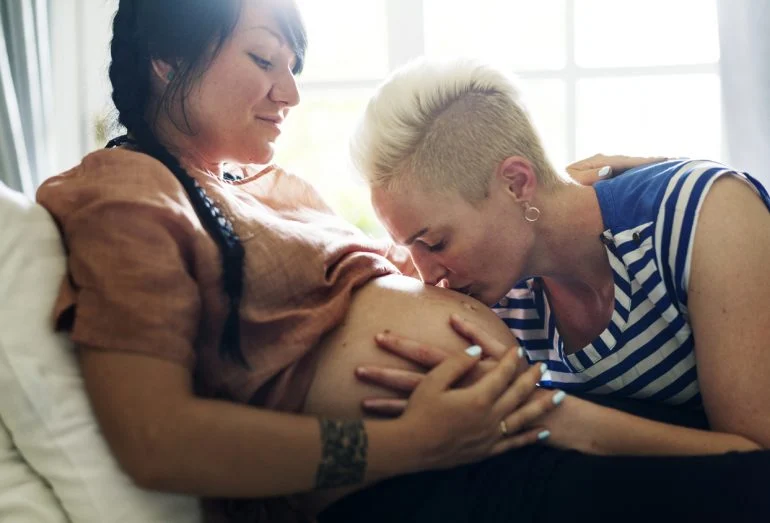
Conception can be a stressful and emotional journey for couples. It is important to have open and honest communication with your partner about your feelings, fears, and concerns. Lack of communication can lead to misunderstandings and can put a strain on the relationship. It is also important to have a strong support system, whether it is from your partner, family, or friends. Overcoming the challenges of conception is easier when you have a strong support system in place.
5. Lack of Knowledge and Information
Many couples may not have all the information they need when it comes to conception and fertility. This can lead to confusion and frustration, especially when things don’t go as planned. It is important to educate yourself about reproductive health, fertility, and the factors that can affect conception. This can include reading books, attending workshops or seminars, and talking to a fertility specialist. Having a better understanding of the process can help you overcome any obstacles that may arise.
6. Unhealthy Habits
Unhealthy habits such as smoking, excessive alcohol consumption, and drug use can have a negative impact on fertility. These habits can affect both men and women and can lead to hormonal imbalances, irregular ovulation, and poor sperm quality. To overcome this challenge, it is important to quit these unhealthy habits and adopt a healthier lifestyle. This may require seeking professional help and support, but the rewards of improved fertility and overall health are worth it.
7. Infertility
Infertility is a common challenge that many couples face when trying to conceive. It is defined as the inability to conceive after one year of unprotected intercourse for women under 35, or six months for women over 35. Infertility can be caused by a variety of factors, including hormonal imbalances, reproductive organ issues, and genetic conditions. Overcoming this challenge may require medical intervention such as fertility treatments or assisted reproductive techniques. It is important to seek the help of a fertility specialist if you have been trying to conceive for a year with no success.
In conclusion, conception can be a challenging journey, but there are steps you can take to overcome the obstacles that may arise at home. By creating a stress-free environment, maintaining a healthy diet and lifestyle, avoiding environmental toxins, and seeking support and knowledge, you can improve your chances of conceiving. It is also important to remember that each couple’s journey is unique, and seeking professional help when needed is always an option.
Summary:
Conception can be a challenging journey for couples, and the home environment can play a significant role in fertility. Challenges such as stress, poor diet, environmental toxins, lack of communication and knowledge, unhealthy habits, and infertility can hinder conception. To overcome these challenges, couples can create a stress-free environment, maintain a healthy diet, avoid toxins, communicate openly, educate themselves, quit unhealthy habits, and seek medical help when needed.