Blog Post:
Conception is the process of getting pregnant and it is often a joyous and exciting time for couples. However, for some, it may not be as straightforward as they had hoped. Conception complications can arise, causing stress, frustration, and disappointment for those trying to conceive. These obstacles may feel insurmountable, but there are many ways to overcome them right from the comfort of your own home. In this blog post, we will explore some common conception complications and offer tips on how to overcome them at home.
1. Irregular Menstrual Cycles
One of the most common barriers to conception is having irregular menstrual cycles. This can make it difficult to track when ovulation occurs, which is crucial for successful conception. Irregular cycles can be caused by a variety of factors such as stress, diet, and hormonal imbalances. To overcome this obstacle, it is important to first consult with a healthcare provider to determine the underlying cause. In the meantime, there are some steps you can take at home to regulate your cycle and increase your chances of conception.
– Keep track of your cycle: It may be helpful to start tracking your menstrual cycle using a calendar or fertility tracking app. This will help you identify patterns and predict when you are most likely to ovulate.
– Maintain a healthy diet: Eating a well-balanced diet can help regulate your hormones and improve your menstrual cycle. Make sure to include plenty of fruits, vegetables, whole grains, and lean proteins in your meals.
– Reduce stress: Stress can greatly impact your menstrual cycle, so finding ways to manage stress is crucial. Try relaxation techniques such as yoga, meditation, or deep breathing exercises to help reduce stress levels.
2. Polycystic Ovary Syndrome (PCOS)
Polycystic Ovary Syndrome (PCOS) is a hormonal disorder that affects 1 in 10 women of childbearing age. It can cause irregular periods, excess hair growth, and difficulty conceiving. While there is no cure for PCOS, there are ways to manage symptoms and increase the chances of conception.
– Maintain a healthy weight: Women with PCOS often have a higher body mass index (BMI), which can contribute to infertility. Maintaining a healthy weight through exercise and a balanced diet can improve hormonal balance and increase the chances of conception.
– Consult with a doctor: If you have been diagnosed with PCOS, it is important to work closely with a healthcare provider to develop a treatment plan. They may prescribe medication or recommend lifestyle changes to help manage symptoms and increase fertility.
– Try alternative therapies: Some women with PCOS have found success with alternative therapies such as acupuncture, herbal supplements, and dietary changes. However, it is important to consult with a healthcare provider before trying any alternative treatments.
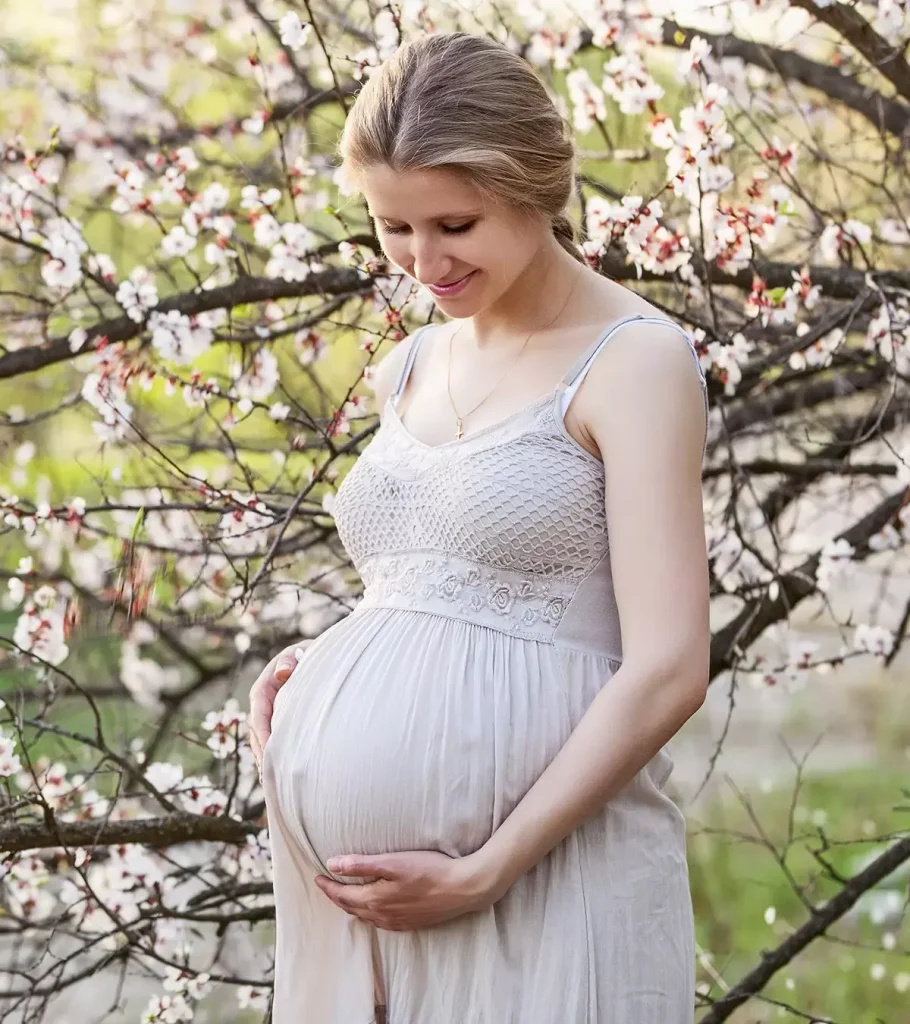
Conception Complications: Overcoming Common Obstacles at Home
3. Low Sperm Count
Infertility is not just a female issue, as male factors can also contribute to difficulties in conceiving. Low sperm count, or oligospermia, is a common cause of male infertility. It can be caused by various factors such as hormonal imbalances, infections, and lifestyle choices. If you and your partner are struggling to conceive due to low sperm count, here are some ways to overcome this obstacle at home.
– Make healthy lifestyle choices: Encourage your partner to make healthy lifestyle changes such as quitting smoking, limiting alcohol consumption, and maintaining a healthy weight. These factors can greatly impact sperm count and quality.
– Consider supplements: Certain supplements, such as vitamin C, vitamin E, and zinc, have been shown to improve sperm count and motility. However, it is important to consult with a doctor before taking any supplements.
– Have sex regularly: Regular sexual activity can improve sperm count by ensuring that the semen is not stored for too long. Aim to have sex every 2-3 days to increase the chances of conception.
4. Endometriosis
Endometriosis is a condition in which tissue similar to the lining of the uterus grows outside of the uterus, often causing pain and fertility issues. It affects 1 in 10 women of childbearing age and can make it difficult to conceive. While there is no cure for endometriosis, treatment options are available to manage symptoms and improve fertility.
– Seek medical treatment: If you have been diagnosed with endometriosis, it is important to work with a healthcare provider to develop a treatment plan. This may include medication, surgery, or alternative therapies.
– Consider fertility treatments: In vitro fertilization (IVF) is often recommended for women with endometriosis who are struggling to conceive. This involves retrieving eggs from the ovaries and fertilizing them with sperm in a laboratory before transferring them back into the uterus.
– Practice self-care: Living with endometriosis can be physically and emotionally taxing, so it is important to prioritize self-care. This may include getting enough rest, eating well, and seeking support through therapy or support groups.
In conclusion, conception complications can be challenging, but there are many ways to overcome them at home. By making lifestyle changes, seeking medical treatment, and practicing self-care, you can improve your chances of conceiving and fulfill your dream of starting a family. Remember to be patient and seek support from your partner, family, and friends during this journey.
Summary:
Conception complications can be a major obstacle for those trying to conceive, but there are ways to overcome them at home. Some common barriers include irregular menstrual cycles, PCOS, low sperm count, and endometriosis. By making lifestyle changes, seeking medical treatment, and practicing self-care, you can improve your chances of conceiving and fulfill your dream of starting a family.