As women in their 30s and beyond embark on the journey of starting a family, they may face unique challenges when it comes to fertility and achieving a home pregnancy. While it is true that age can have an impact on fertility, there are ways to navigate these challenges and increase the chances of a successful pregnancy. In this blog post, we will explore the impact of age on fertility and the steps women can take to overcome infertility challenges and achieve a home pregnancy in their 30s and beyond.
The Impact of Age on Fertility
As women age, their fertility declines due to a decrease in the number and quality of eggs in their ovaries. This decline typically begins in a woman’s mid-30s and becomes more significant in her 40s. This natural decline in fertility can make it more challenging to conceive and increases the risk of miscarriage or chromosomal abnormalities. Additionally, certain medical conditions, such as endometriosis or polycystic ovary syndrome (PCOS), can also impact fertility and become more prevalent as a woman ages.
Navigating Infertility Challenges
For women in their 30s and beyond, navigating infertility challenges can be emotionally and physically exhausting. However, there are steps that can be taken to increase the chances of achieving a home pregnancy.
1. Consult with a Fertility Specialist
If you have been trying to conceive for six months to a year without success, it may be time to consult with a fertility specialist. They can run tests to determine if there are any underlying issues impacting fertility and develop a personalized treatment plan.
2. Consider Fertility Treatments
For women in their 30s and beyond, fertility treatments such as in vitro fertilization (IVF) or intrauterine insemination (IUI) may be necessary to achieve a home pregnancy. These treatments can help overcome age-related fertility challenges and increase the chances of a successful pregnancy.
3. Prioritize a Healthy Lifestyle
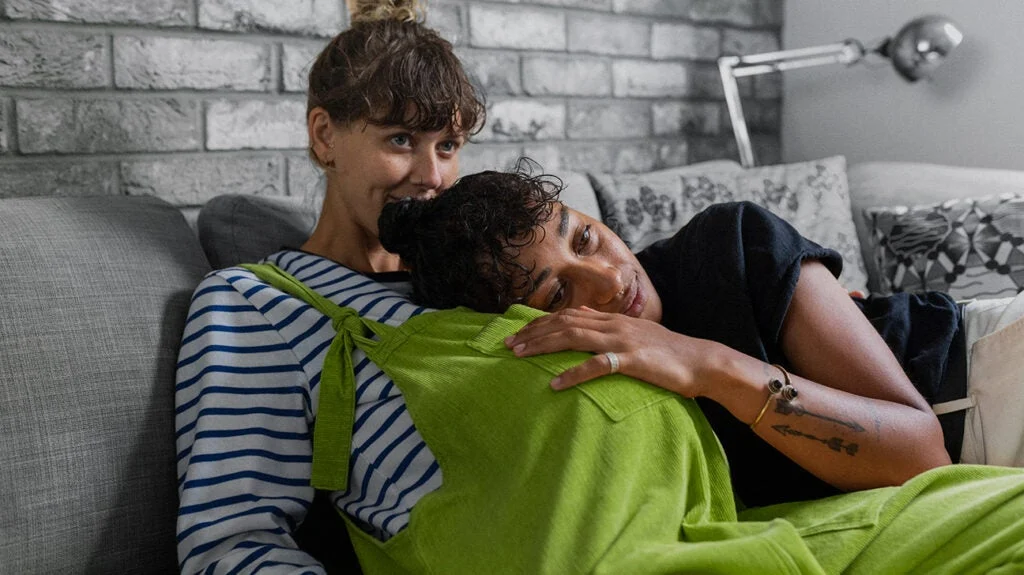
The Impact of Age: Navigating Infertility Challenges for Home Pregnancy in Your 30s and Beyond
Maintaining a healthy lifestyle is crucial for women trying to conceive in their 30s and beyond. This includes eating a balanced diet, exercising regularly, and managing stress. These habits can help improve overall health and increase fertility.
4. Monitor Ovulation
As women age, their ovulation cycles can become irregular, making it more challenging to determine the most fertile days. Using ovulation predictor kits or tracking basal body temperature can help pinpoint ovulation and increase the chances of conceiving.
5. Consider Donor Eggs
For women in their 40s, using donor eggs may be a viable option to achieve a home pregnancy. Donor eggs come from younger women and have a higher chance of resulting in a successful pregnancy. This option allows women to carry and give birth to their child while overcoming age-related fertility challenges.
The Importance of Emotional Support
Going through infertility challenges can be a lonely and emotionally draining experience. It is essential to have a strong support system during this time. This can include friends, family, or joining support groups with other women going through similar experiences. Seeking therapy or counseling can also be beneficial in managing the emotional toll of infertility.
The Joys of Pregnancy in Your 30s and Beyond
Despite the challenges that come with trying to conceive in your 30s and beyond, there are also many joys to be found. Women in their 30s and 40s may have more stable careers and financial stability, providing a secure environment to bring a child into the world. They may also have more life experience and maturity, which can make them more confident and prepared to handle the challenges of parenthood.
In summary, age can have an impact on fertility, and women in their 30s and beyond may face unique challenges when trying to conceive. However, by consulting with a fertility specialist, considering fertility treatments, prioritizing a healthy lifestyle, monitoring ovulation, and seeking emotional support, women can overcome these challenges and increase the chances of achieving a home pregnancy. Despite the challenges, there are also many joys to be found in pregnancy in your 30s and beyond, making the journey well worth it.