Navigating Infertility and Thyroid Disorders: Overcoming Challenges for Home Pregnancy with Thyroid Dysfunction
Infertility affects millions of couples around the world, causing emotional, physical, and financial strain. While there are various factors that can contribute to infertility, thyroid disorders have been found to be a common underlying cause. In fact, studies have shown that women with thyroid dysfunction are more likely to experience fertility problems compared to those without. This can be a major roadblock for couples who are trying to conceive, but with proper management and support, it is possible to overcome the challenges and achieve a successful pregnancy at home.
Understanding Thyroid Disorders and Infertility
The thyroid gland is a small butterfly-shaped organ located in the neck, responsible for producing hormones that regulate various bodily functions, including metabolism and reproductive health. When the thyroid gland is not functioning properly, it can lead to an overproduction or underproduction of hormones, resulting in thyroid disorders such as hypothyroidism and hyperthyroidism.
Hypothyroidism, also known as an underactive thyroid, occurs when the gland does not produce enough hormones. On the other hand, hyperthyroidism, or an overactive thyroid, happens when the gland produces too much hormones. Both conditions can have a significant impact on fertility and can make it difficult for women to conceive.
The Link Between Thyroid Disorders and Infertility
Thyroid disorders can affect fertility in various ways. For instance, hypothyroidism can cause irregular or absent menstrual cycles, making it difficult to predict the fertile window for conception. It can also lead to anovulation, where the ovary does not release an egg each month, further decreasing the chances of conception. Additionally, hypothyroidism can also lead to an imbalance in the levels of other reproductive hormones, such as estrogen and progesterone, which play a crucial role in the menstrual cycle and pregnancy.
On the other hand, hyperthyroidism can also impact fertility by causing irregular menstrual cycles and anovulation. It can also increase the risk of miscarriage and complications during pregnancy, such as preeclampsia and preterm birth. Moreover, both hypo- and hyperthyroidism can affect the quality of the uterine lining, making it difficult for a fertilized egg to implant and grow.
Navigating Infertility with Thyroid Dysfunction
If you have been diagnosed with a thyroid disorder and are struggling with infertility, the first step is to seek medical advice from a fertility specialist. They will perform a thorough evaluation of your thyroid function and may prescribe medication to help regulate your hormone levels. In some cases, surgery may be necessary to remove any abnormal growths on the thyroid gland.
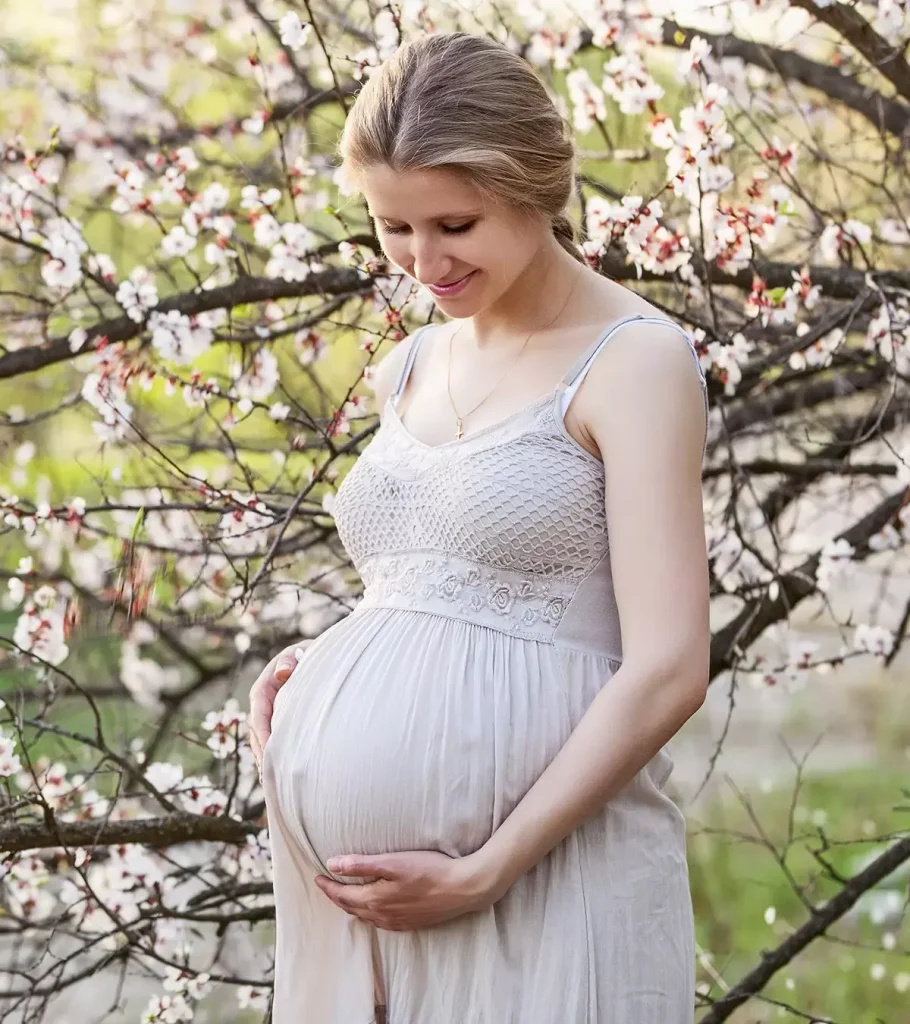
Apart from medical treatment, there are also lifestyle changes that can help improve fertility in women with thyroid dysfunction. These include maintaining a healthy weight, getting regular exercise, and following a balanced diet rich in essential nutrients. It is also crucial to manage stress levels, as high levels of stress can further disrupt hormonal balance and affect fertility.
Home Pregnancy with Thyroid Dysfunction
Once your thyroid function has been regulated, you and your partner can start trying for a baby at home. It is important to track your menstrual cycle and identify your fertile window, which is typically around the time of ovulation. This can be done through various methods, such as tracking basal body temperature, cervical mucus, or using ovulation predictor kits.
In addition to tracking ovulation, it is also essential to maintain a healthy lifestyle during this time. This includes avoiding smoking and alcohol, as well as reducing caffeine intake. It is also recommended to take prenatal vitamins to ensure that your body has all the necessary nutrients to support a healthy pregnancy.
Overcoming Challenges and Seeking Support
Navigating infertility and thyroid disorders can be a challenging journey for couples, both emotionally and physically. It is important to seek support from your partner, family, and friends during this time. Joining support groups or seeking counseling can also help you cope with the emotional toll of infertility and provide a safe space to share your experiences and feelings.
In some cases, couples may also consider alternative methods of conception, such as in vitro fertilization (IVF) or intrauterine insemination (IUI). These options can be discussed with a fertility specialist and may increase the chances of a successful pregnancy.
In conclusion, navigating infertility with thyroid dysfunction can be a difficult and emotional experience for couples. However, with proper management, lifestyle changes, and support, it is possible to overcome the challenges and achieve a successful pregnancy at home. Remember to seek medical advice and support, and most importantly, to take care of yourself during this journey.
Summary:
Thyroid disorders can significantly impact fertility and make it challenging for couples to conceive. Conditions such as hypothyroidism and hyperthyroidism can cause irregular menstrual cycles, anovulation, and hormone imbalances, all of which can affect fertility. However, with proper management, lifestyle changes, and support, it is possible to overcome these challenges and achieve a successful pregnancy at home. Seeking medical advice, tracking ovulation, and maintaining a healthy lifestyle are crucial steps in navigating infertility with thyroid dysfunction. It is also important to seek support from loved ones and consider alternative methods of conception if needed.