Blog Post:
Infertility is a common struggle for many couples trying to conceive. The journey to parenthood can be a difficult and emotional one, especially for those facing fertility challenges. However, with advancements in technology and medicine, there are now multiple methods available to help increase the chances of conception. One such method is the use of ovulation predictor kits (OPKs).
OPKs are at-home tests that can help women track their ovulation cycle and determine their most fertile days. These kits work by detecting the surge in luteinizing hormone (LH) in the body, which occurs right before ovulation. By tracking this hormone, women can anticipate the release of an egg and time intercourse accordingly.
In this blog post, we will dive deeper into the role of ovulation predictor kits in overcoming infertility and achieving pregnancy.
Understanding Infertility
Before we delve into the role of OPKs, it is crucial to understand what infertility is and how it affects couples. Infertility is defined as the inability to conceive after having unprotected intercourse for one year (or six months for women over 35). It affects approximately 10-15% of couples globally.
Infertility can have various causes, including hormonal imbalances, structural issues, and underlying medical conditions. For women, one of the primary factors affecting fertility is ovulation. Ovulation is the process in which a mature egg is released from the ovary, making it available for fertilization. Irregular or absent ovulation can significantly impact a woman’s ability to conceive.
Role of OPKs in Overcoming Infertility
OPKs have become an essential tool for couples struggling with infertility. These kits can help women identify their most fertile days, increasing their chances of conception. Here’s how OPKs can help in overcoming infertility:
1. Accurate Prediction of Ovulation
OPKs work by detecting the surge in LH, which occurs approximately 24-48 hours before ovulation. This surge triggers the release of an egg from the ovary, making it the most fertile time in a woman’s cycle. By accurately predicting the most fertile days, couples can time intercourse to increase the chances of conception.
2. Helps Identify Irregular Ovulation
For women with irregular cycles, it can be challenging to determine when ovulation will occur. OPKs can help identify the LH surge, even in women with irregular cycles, making it easier to pinpoint the most fertile days. This is especially helpful for women with conditions like polycystic ovary syndrome (PCOS), which can cause irregular ovulation.
3. Cost-Effective and Convenient
OPKs are readily available over-the-counter and are relatively affordable compared to other methods of tracking ovulation, such as blood tests or ultrasounds. They are also convenient as women can use them in the comfort of their homes and do not require frequent visits to a doctor or clinic.
4. Helps in Timed Intercourse or Assisted Reproductive Techniques (ART)
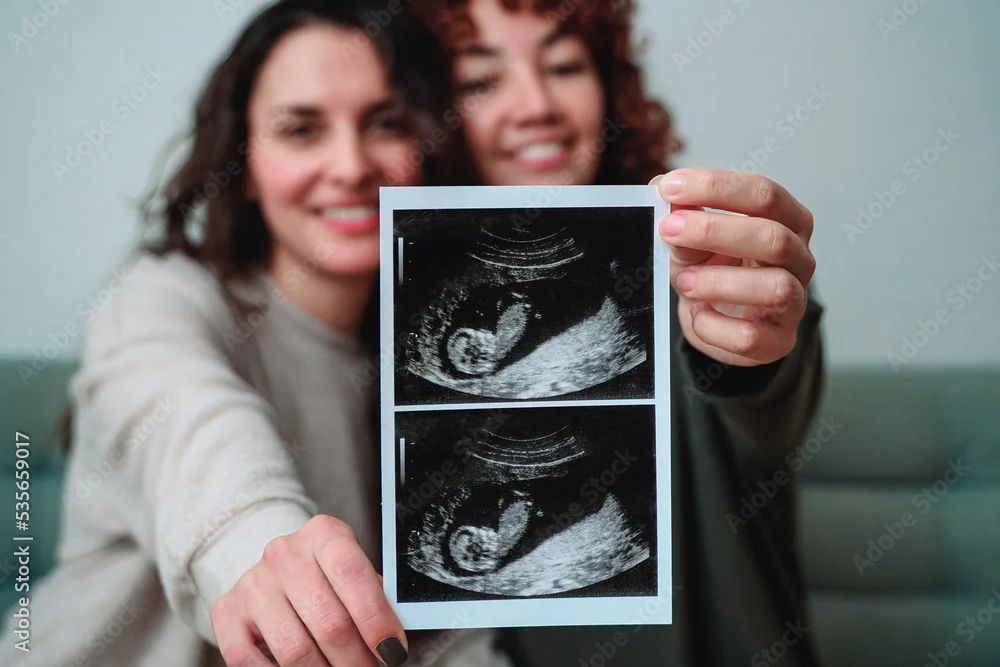
The Role of Ovulation Predictor Kits in Overcoming Infertility and Achieving Pregnancy
Timing intercourse is crucial when trying to conceive. Using OPKs can help couples plan intercourse during their most fertile days, increasing their chances of pregnancy. For couples undergoing assisted reproductive techniques (ART) like intrauterine insemination (IUI) or in vitro fertilization (IVF), OPKs can help determine the optimal time for these procedures.
Tips for Using OPKs Effectively
To get the most accurate results from OPKs, here are a few tips to keep in mind:
1. Start Testing Early
OPKs work best when used consistently, starting around day 10 of a woman’s cycle. This will help track the LH surge and determine the most fertile days.
2. Follow Instructions Carefully
It is essential to follow the instructions provided with the OPK carefully. This includes the time of day to test, how to interpret the results, and when to stop testing.
3. Use First-Morning Urine
For the most accurate results, use the first-morning urine when testing. This is because the LH surge is most concentrated in the morning.
4. Don’t Rely on OPKs Alone
While OPKs can be a useful tool, they should not be the only method used to track ovulation. It is essential to also monitor other signs of ovulation, such as cervical mucus and basal body temperature.
Final Thoughts
OPKs have become a valuable tool for couples trying to overcome infertility and achieve pregnancy. They can accurately predict ovulation, help identify irregular ovulation, and are cost-effective and convenient. However, it is crucial to remember that OPKs are not foolproof and should be used in conjunction with other methods of tracking ovulation.
If you are struggling with infertility, it is best to consult with a fertility specialist to determine the underlying cause and develop a personalized treatment plan. With the help of modern technology and techniques, there is hope for couples to overcome infertility and fulfill their dreams of becoming parents.
Summary:
Infertility is a common struggle for many couples, but with advancements in technology, there are now multiple methods available to help increase the chances of conception. One such method is the use of ovulation predictor kits (OPKs). These at-home tests can help women track their ovulation cycle and determine their most fertile days by detecting the surge in luteinizing hormone (LH). OPKs play a crucial role in overcoming infertility by accurately predicting ovulation, helping identify irregular ovulation, and being cost-effective and convenient. However, it is essential to use them in conjunction with other methods of tracking ovulation and consult with a fertility specialist for personalized treatment. With the help of modern technology and techniques, there is hope for couples to overcome infertility and achieve their dream of parenthood.