Title: The Link Between Your Menstrual Cycle and Ovulation for Pregnancy Planning
The menstrual cycle is an important aspect of a woman’s reproductive health and plays a crucial role in pregnancy planning. Understanding the link between the menstrual cycle and ovulation can greatly increase the chances of conceiving. In this blog post, we will delve into the details of how these two processes are connected and how you can use this knowledge to optimize your fertility.
Menstrual Cycle and Its Phases:
The menstrual cycle is a monthly occurrence in women that prepares the body for pregnancy. On average, it lasts for about 28 days, although it can vary from woman to woman. The cycle consists of three phases: follicular, ovulation, and luteal phase. Each phase is regulated by different hormones and prepares the body for the possibility of pregnancy.
Follicular Phase:
The follicular phase is the first phase of the menstrual cycle and begins on the first day of your period. During this phase, follicle-stimulating hormone (FSH) is released from the pituitary gland, causing the ovaries to produce follicles. These follicles contain eggs, and as they mature, they release estrogen, which thickens the uterine lining.
Ovulation:
Ovulation is the most crucial phase of the menstrual cycle and occurs around day 14 for women with a 28-day cycle. During this phase, the mature follicle releases an egg into the fallopian tube. This process is triggered by a surge in luteinizing hormone (LH). The egg is only viable for about 24 hours after ovulation, making timing crucial for conception.
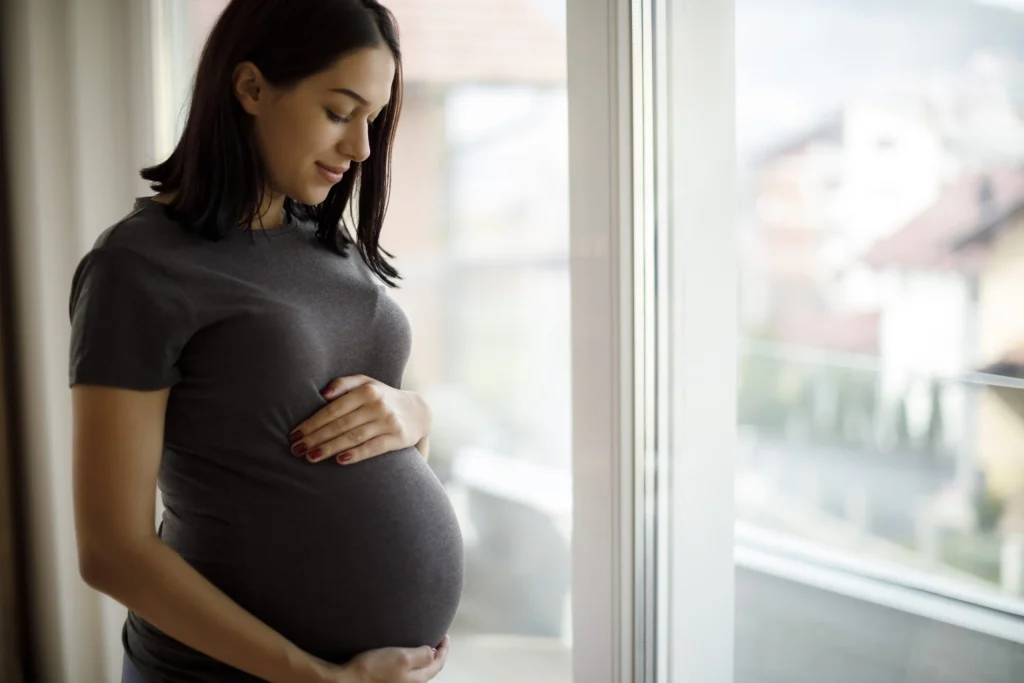
The Link Between Your Menstrual Cycle and Ovulation for Pregnancy Planning
Luteal Phase:
The luteal phase is the final phase of the menstrual cycle and begins after ovulation. The ruptured follicle turns into a structure called the corpus luteum, which produces progesterone. This hormone helps to maintain the uterine lining and prepares the body for possible pregnancy. If fertilization does not occur, the corpus luteum disintegrates, and the menstrual cycle starts again.
The Connection Between Menstrual Cycle and Ovulation:
The key to understanding the link between the menstrual cycle and ovulation lies in the rise and fall of hormones. As mentioned earlier, FSH and estrogen are responsible for the follicular phase, while LH triggers ovulation. The surge in estrogen during the follicular phase prepares the body for ovulation by thickening the uterine lining. The rise in LH triggers ovulation, and the release of progesterone during the luteal phase helps to sustain a pregnancy if fertilization occurs.
How to Use This Knowledge for Pregnancy Planning:
Knowing when you ovulate can help you time intercourse for the best chances of conceiving. Ovulation typically occurs 14 days before the start of your next period. However, this can vary from woman to woman, and factors like stress, illness, or medication can affect the timing of ovulation. Some women may also experience a phenomenon called “ovulation spotting,” which is light bleeding or spotting that occurs during ovulation.
To accurately determine when you ovulate, you can use various methods such as tracking your basal body temperature, monitoring changes in cervical mucus, or using ovulation predictor kits. These methods can help you pinpoint the most fertile days of your cycle, making it easier to plan intercourse during this time.
In Conclusion:
The menstrual cycle and ovulation are closely intertwined, and understanding their connection is crucial for pregnancy planning. By tracking your cycle and knowing when you ovulate, you can increase your chances of conceiving. However, if you have been trying to conceive for more than a year without success, it is essential to consult a fertility specialist to rule out any underlying issues.
In summary, understanding the link between your menstrual cycle and ovulation is crucial for pregnancy planning. The menstrual cycle consists of three phases: follicular, ovulation, and luteal phase, each regulated by different hormones. By tracking your cycle and knowing when you ovulate, you can optimize your chances of conceiving. However, consult a fertility specialist if you face any difficulties in getting pregnant.