Blog Post: The Top Toxins to Avoid for a Healthy Pregnancy
Pregnancy is a time of excitement and anticipation, but it’s also a time when expectant mothers need to be extra careful about what they put into their bodies. The developing baby is vulnerable to toxins, which can have long-lasting effects on their health. As an expectant mother, it’s important to be aware of the top toxins to avoid for a healthy pregnancy. In this blog post, we will discuss the most common toxins to avoid and how you can protect yourself and your growing baby.
1. Alcohol
One of the most well-known toxins to avoid during pregnancy is alcohol. Alcohol consumption during pregnancy can lead to a range of birth defects and developmental disabilities, known as Fetal Alcohol Spectrum Disorders (FASDs). These can include physical, behavioral, and cognitive abnormalities that can have lifelong effects on the child. It’s best to completely avoid alcohol during pregnancy, especially during the first trimester when the baby’s organs are developing.
2. Tobacco
Smoking cigarettes or being exposed to secondhand smoke during pregnancy can also have harmful effects on the baby. The nicotine and chemicals in tobacco can restrict blood flow to the placenta, reducing the amount of oxygen and nutrients that reach the baby. This can lead to low birth weight, premature birth, and other complications. It’s important to quit smoking and avoid secondhand smoke for the health of both you and your baby.
3. Mercury
Mercury is a toxic metal that can be found in certain types of fish and seafood. When consumed in high amounts, it can harm the developing nervous system of the baby. Pregnant women should avoid eating shark, swordfish, king mackerel, and tilefish, as these types of fish have higher levels of mercury. It’s safe to consume up to 12 ounces of low-mercury fish, such as salmon and shrimp, per week.
4. Pesticides
Exposure to pesticides during pregnancy has been linked to birth defects, developmental delays, and behavioral problems in children. These chemicals can be found in conventionally grown fruits and vegetables, as well as in household products. To reduce your exposure, opt for organic produce and natural household cleaners. If you must use pesticides, make sure to wear protective gear and thoroughly wash all produce before consuming.
5. Lead
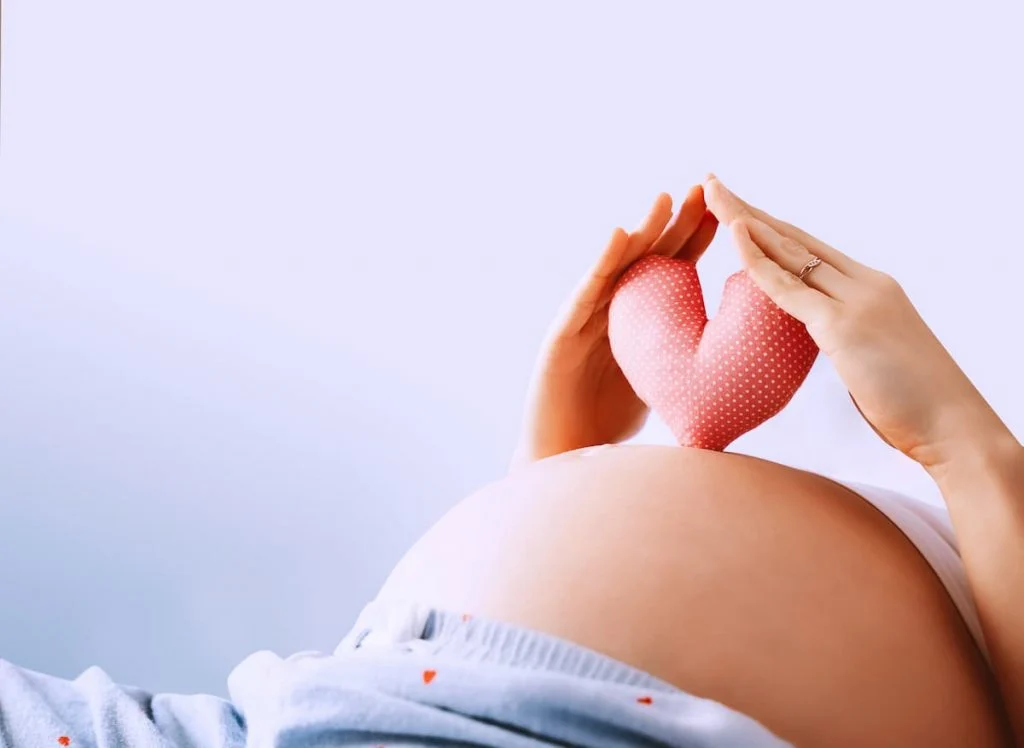
The Top Toxins to Avoid for a Healthy Pregnancy
Lead is a toxic metal that can be found in old paint, contaminated soil, and some types of pottery and dishes. Exposure to lead during pregnancy can lead to a range of developmental and behavioral problems in children. Make sure to avoid any home renovations that may disturb lead-based paint, and check for lead in your drinking water. You can also limit your use of dishes and cookware made with lead, and opt for safer alternatives.
6. BPA
Bisphenol A (BPA) is a chemical commonly found in plastics, such as water bottles, food containers, and baby bottles. It has been linked to reproductive problems, developmental delays, and other health issues. To reduce your exposure, opt for BPA-free products and avoid heating up plastic containers in the microwave.
7. Caffeine
While caffeine is generally safe in moderate amounts, it’s best to limit your intake during pregnancy. Consuming large amounts of caffeine has been linked to low birth weight and miscarriage. It’s recommended to limit your daily caffeine intake to no more than 200 mg, which is about one 12-ounce cup of coffee.
8. Prescription Medications
Certain prescription medications can be harmful to the developing baby. It’s important to consult with your healthcare provider before taking any medication during pregnancy, including over-the-counter drugs. They can advise you on the safety of the medication and recommend alternatives if needed.
In addition to avoiding these toxins, it’s important for pregnant women to maintain a healthy diet and exercise regularly. This will not only benefit the mother’s health but also promote the healthy development of the baby. It’s also recommended to stay away from stressful situations and practice relaxation techniques to reduce stress levels.
In conclusion, a healthy pregnancy involves being mindful of what you put into your body. By avoiding these top toxins and making healthy lifestyle choices, you can protect yourself and your growing baby. Remember to always consult with your healthcare provider if you have any concerns or questions about toxins during pregnancy.
Summary:
Pregnancy is a time when expectant mothers need to be cautious about what they consume. The developing baby is vulnerable to toxins, which can have long-lasting effects on their health. The top toxins to avoid during pregnancy include alcohol, tobacco, mercury, pesticides, lead, BPA, caffeine, and prescription medications. It’s important to maintain a healthy diet, exercise regularly, and reduce stress levels for a healthy pregnancy. Always consult with a healthcare provider before taking any medication during pregnancy.