Blog Post:
Infertility is a complex issue that affects millions of people around the world. In recent years, there has been a growing concern about the link between toxins and age-related infertility. With more and more couples struggling to conceive, it’s important to understand how toxins can affect our reproductive health and what steps we can take to mitigate their impact.
Toxins are substances that can cause harm to our bodies. They can be found in our environment, food, and even in everyday products. Exposure to toxins can lead to a variety of health problems, including infertility. As we age, our bodies become less efficient at eliminating toxins, making us more vulnerable to their effects.
One of the main ways toxins can affect fertility is by disrupting our hormones. Hormones play a crucial role in the reproductive system, regulating ovulation, menstruation, and sperm production. Exposure to toxins, such as pesticides, heavy metals, and endocrine-disrupting chemicals, can interfere with the production and function of these hormones, leading to fertility issues.
In women, toxins can affect the quality and quantity of eggs produced, making it more difficult to conceive. They can also increase the risk of miscarriage and pregnancy complications. In men, toxins can damage sperm cells and reduce sperm count, motility, and quality. This can make it challenging to achieve pregnancy and can also increase the risk of birth defects in offspring.
Age is a significant factor in fertility. As we get older, our reproductive systems naturally decline, making it more difficult to conceive. However, research has shown that exposure to toxins can accelerate this decline and lead to premature ovarian failure and early menopause in women. In men, toxins can also cause a decline in sperm quality and quantity, leading to age-related infertility.
So where do these toxins come from? They are present in our everyday lives, from the air we breathe to the food we eat. Pesticides and herbicides, commonly used in agriculture, can contaminate our food and water sources. Plastics, personal care products, and household cleaners contain endocrine-disrupting chemicals that can be absorbed into our bodies. Even the air we breathe can be filled with toxins from pollution and industrial emissions.
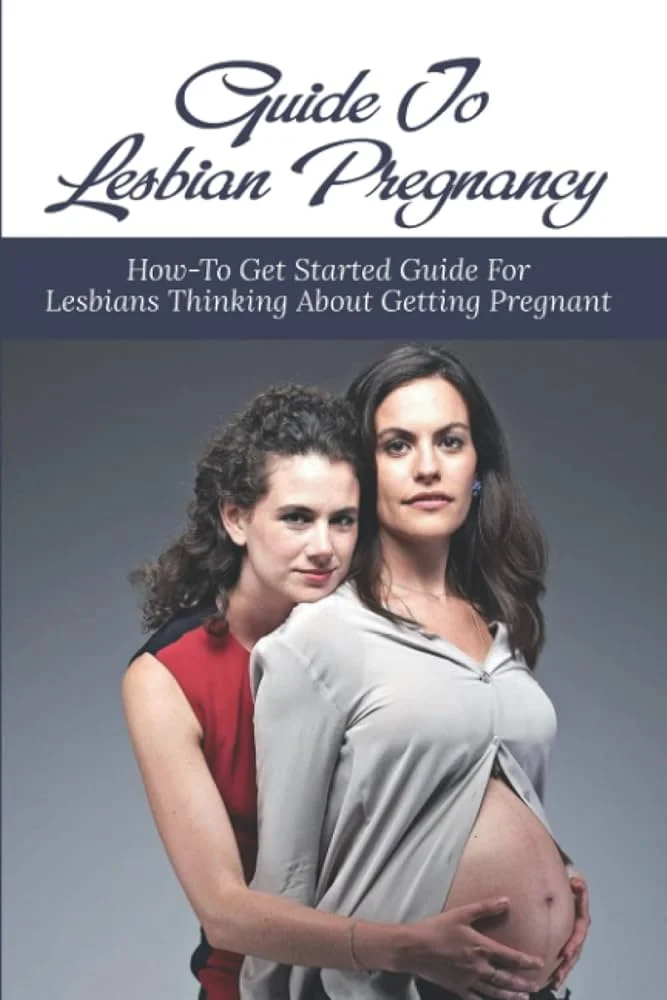
The Link Between Toxins and Age-Related Infertility
But it’s not just external toxins that can affect our fertility. Our modern lifestyle also contributes to the problem. Stress, poor diet, and lack of exercise can all increase our levels of toxins and disrupt our hormonal balance. The rise in the use of technology and electronic devices has also been linked to fertility issues, as they emit electromagnetic radiation that can affect our reproductive organs and hormones.
So what can we do to protect ourselves from toxins and improve our chances of conceiving? The first step is to limit our exposure to toxins. This can be achieved by choosing organic produce, avoiding processed foods, and using natural and non-toxic products for personal care and household cleaning. It’s also important to reduce stress, eat a healthy diet, and exercise regularly to support our body’s natural detoxification processes.
In addition to reducing exposure, there are also specific detoxification protocols that can help eliminate toxins from our bodies. These include dietary changes, supplements, and lifestyle modifications that support our liver and kidneys, which are responsible for filtering and eliminating toxins. Detoxifying our bodies can not only improve our fertility but also have a positive impact on our overall health.
It’s also essential to be aware of the toxins present in our environment and take action to reduce them. Supporting organizations working towards stricter regulations on toxins and advocating for cleaner air and water can have a significant impact on our reproductive health and the health of future generations.
In conclusion, there is a clear link between toxins and age-related infertility. Exposure to toxins can disrupt our hormones, affect the quality and quantity of eggs and sperm, and accelerate the decline of our reproductive systems as we age. By reducing our exposure to toxins, supporting our body’s natural detoxification processes, and advocating for a cleaner environment, we can improve our chances of conceiving and protect our reproductive health.
Summary:
Infertility is a growing concern for many couples, and toxins can play a significant role in age-related infertility. These harmful substances can disrupt our hormones, affect the quality of eggs and sperm, and accelerate the decline of our reproductive systems as we age. Toxins are present in our everyday lives, and reducing exposure through lifestyle changes and supporting a cleaner environment can improve our chances of conceiving and protect our reproductive health.