Nature’s Influence: How Genetics Affect Fertility and Home Conception
Nature plays a significant role in every aspect of our lives – from the air we breathe to the food we eat. But did you know that nature also has a profound impact on our fertility and ability to conceive at home? Our genetics, or the characteristics inherited from our parents, can greatly influence our reproductive health and the success of our conception journey. In this blog post, we will delve into the fascinating world of genetics and explore how it affects fertility and home conception.
Understanding Genetics and Fertility
Before we dive into the connection between genetics and fertility, it is essential to understand the basics of genetics. Our genetic makeup is determined by the combination of genes we inherit from our parents. Genes are tiny units of heredity that contain instructions for our physical and biological traits. These traits can range from eye color to susceptibility to certain diseases.
When it comes to fertility, our genes play a crucial role in the development and functioning of our reproductive organs. The reproductive system is controlled by hormones, which are regulated by genes. Any genetic mutations or abnormalities can disrupt the hormone balance, leading to fertility issues.
Genetic Factors Affecting Fertility
There are various genetic factors that can impact fertility, including:
1. Chromosomal Abnormalities
Chromosomes are the structures in our cells that contain our genetic information. Any changes or abnormalities in the number or structure of chromosomes can lead to fertility problems. For example, women with Turner syndrome, a condition where one of the X chromosomes is missing or incomplete, often have difficulty conceiving.
2. Gene Mutations
Mutations, or changes, in our genes can also affect fertility. Some mutations can cause genetic disorders such as Polycystic Ovary Syndrome (PCOS) or endometriosis, which can lead to fertility problems. Additionally, mutations in genes responsible for hormone production or regulation can also impact fertility.
3. Inherited Conditions
Some genetic conditions or disorders can be inherited from our parents, and they can also affect fertility. For instance, cystic fibrosis, a condition that affects the lungs and digestive system, can also cause fertility problems in both men and women.
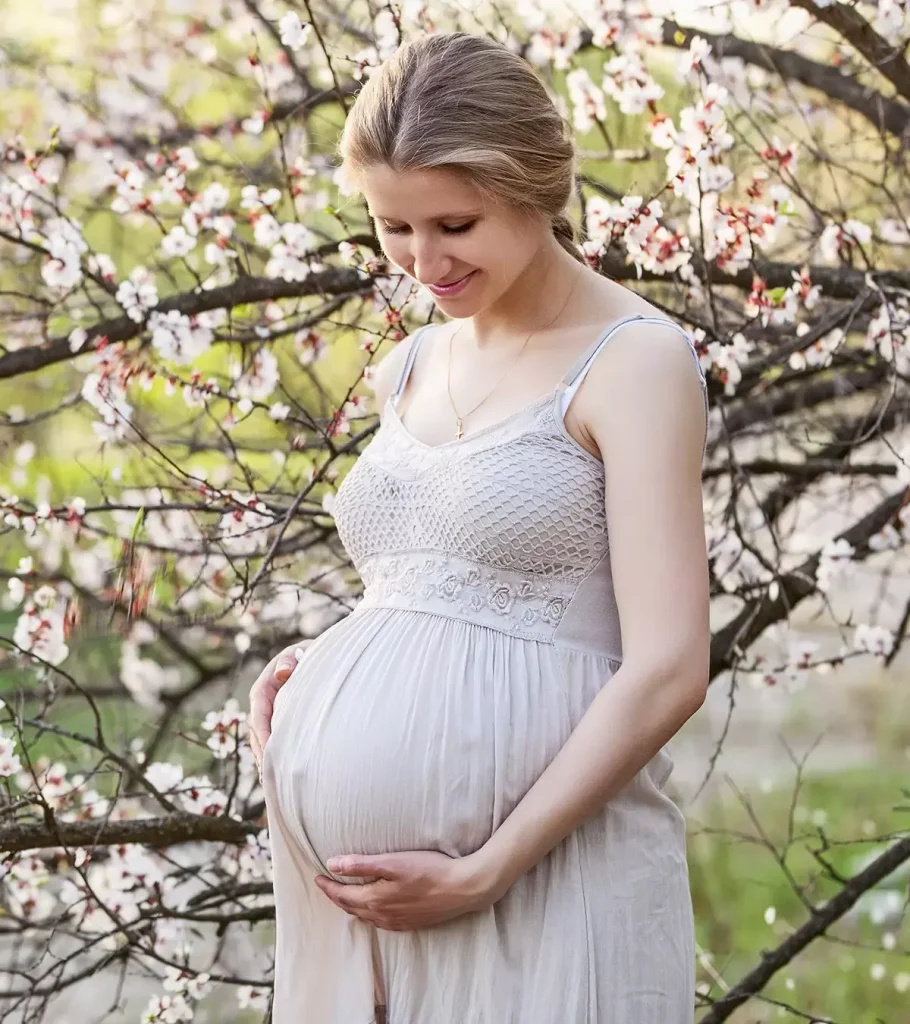
Nature's Influence: How Genetics Affect Fertility and Home Conception
The Role of Genetics in Home Conception
Aside from fertility, genetics can also influence the success of home conception. Conception at home, also known as natural or unassisted conception, refers to getting pregnant without medical intervention or fertility treatments.
Genetics can play a significant role in determining the chances of successful home conception. Couples with certain genetic traits may have a higher likelihood of conceiving naturally compared to others. For example, women with a gene mutation that increases their ovarian reserve, or the number of eggs they produce, have a higher chance of conception at home.
Moreover, our genes also influence the quality of our sperm and eggs, which are essential for successful conception. Any genetic abnormalities or mutations can affect the quality of these reproductive cells, making it challenging to conceive at home.
How to Overcome Genetic Factors in Fertility and Home Conception
If you and your partner are struggling with fertility issues and are planning to conceive at home, it is crucial to consult with a healthcare professional. They can assess your genetic history and recommend appropriate treatments or interventions.
For couples with genetic conditions or disorders that can affect fertility, there are options available to overcome these challenges. For instance, assisted reproductive technologies (ARTs) such as in vitro fertilization (IVF) can help couples with genetic disorders conceive. In IVF, eggs and sperm are fertilized in a lab, and the resulting embryo is then transferred to the uterus for pregnancy.
Additionally, advancements in genetic testing have made it possible to screen embryos for genetic abnormalities before implantation, reducing the chances of passing on inherited disorders to the child.
Conclusion
In conclusion, nature’s influence on our genetics can significantly impact our fertility and ability to conceive at home. Understanding our genetic makeup and any potential risk factors can help us overcome challenges and increase our chances of successful conception. If you are planning to conceive at home and have concerns about your genetic history, it is essential to consult with a healthcare professional for personalized guidance and support.
Summary:
Nature’s Influence: How Genetics Affect Fertility and Home Conception
Nature has a profound impact on our fertility and ability to conceive at home. Our genetics, or inherited characteristics, play a crucial role in our reproductive health. Genetic factors such as chromosomal abnormalities, gene mutations, and inherited conditions can affect fertility. Moreover, genetics also influence the success of home conception. Couples with certain genetic traits may have a higher likelihood of conceiving at home, while genetic abnormalities can make it challenging to conceive naturally. However, there are options available to overcome genetic factors, such as assisted reproductive technologies and genetic testing. Consulting with a healthcare professional is crucial for personalized guidance and support in overcoming genetic challenges in fertility and home conception.