Blog Post:
Fertility is a topic that has gained much attention in recent years, as more and more couples struggle with conceiving naturally. While there are various medical treatments and procedures available, it is important to also consider the role of lifestyle habits in at-home fertility success. In this blog post, we will explore the different lifestyle factors that can impact fertility and provide tips for making positive changes to increase your chances of conceiving.
Diet and Nutrition
One of the most important lifestyle habits to consider when trying to conceive is diet and nutrition. A well-balanced diet that includes a variety of fruits, vegetables, whole grains, lean proteins, and healthy fats can provide your body with the necessary nutrients for reproductive health. It is also important to limit or avoid highly processed foods, sugary drinks, and alcohol, as they can negatively impact fertility.
Specific nutrients that have been linked to improved fertility include folate, iron, zinc, and omega-3 fatty acids. These can be found in foods like leafy greens, eggs, seafood, and nuts. It may also be beneficial to take a prenatal vitamin or a supplement specifically designed for fertility to ensure you are getting enough of these important nutrients.
Exercise and Physical Activity
Regular exercise and physical activity can also play a role in at-home fertility success. Being physically active helps to maintain a healthy weight, which is important for fertility. It can also improve blood flow to the reproductive organs and regulate hormone levels, both of which are important for conception.
However, it is important to strike a balance when it comes to exercise. Too much intense exercise can actually have a negative impact on fertility. It is recommended to aim for moderate exercise, such as brisk walking or yoga, for at least 30 minutes a day.
Stress Management
Stress can have a major impact on fertility, as it can disrupt hormone levels and interfere with ovulation. This is why it is important to find ways to manage and reduce stress in your life. This can include practicing relaxation techniques like deep breathing or meditation, engaging in hobbies or activities you enjoy, and seeking support from loved ones or a therapist.
It is also important to address any underlying stressors in your life, such as a demanding job or relationship issues. Making positive changes to reduce stress can not only improve your chances of conceiving, but also improve your overall well-being.
Sleep
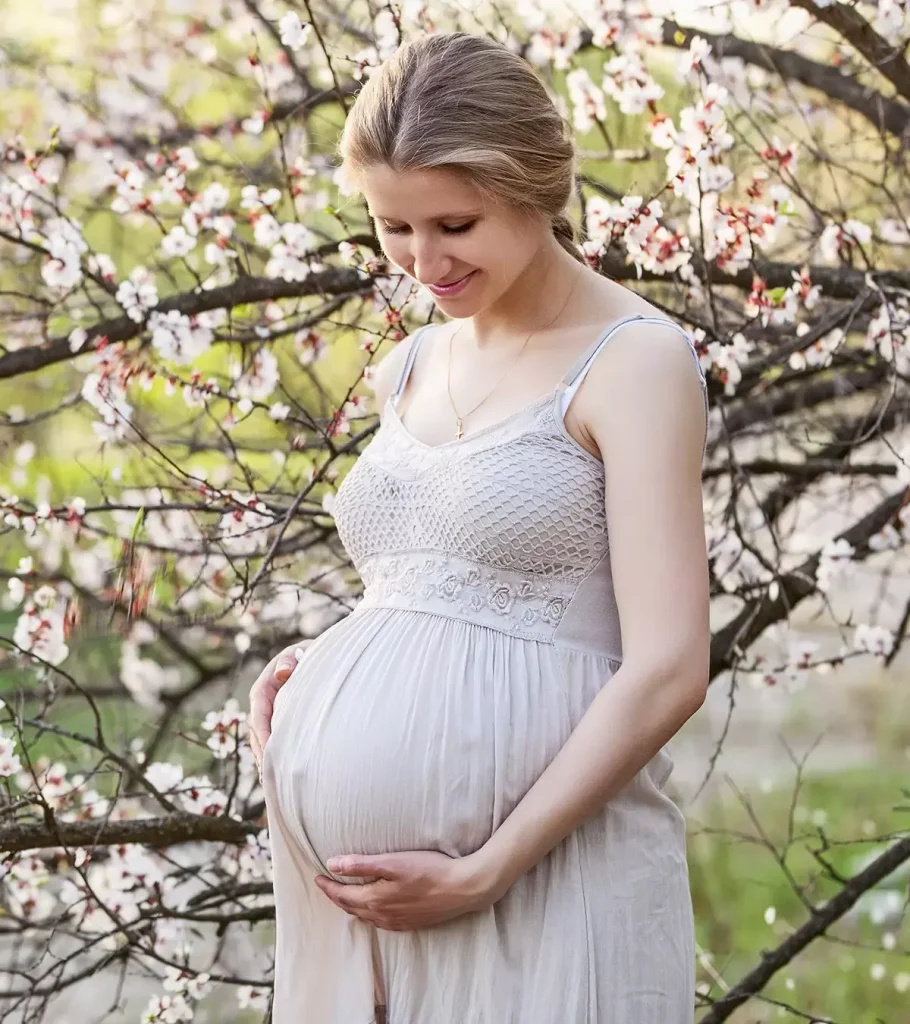
The Role of Lifestyle Habits in At-Home Fertility Success
Getting enough quality sleep is crucial for overall health, but it can also play a role in fertility. Lack of sleep or poor sleep quality can disrupt hormone levels and affect ovulation. It is recommended to aim for 7-9 hours of sleep per night and to establish a consistent sleep schedule.
If you struggle with sleep, try implementing a bedtime routine, limiting screen time before bed, and creating a comfortable sleep environment. If these strategies do not work, it may be helpful to speak with a healthcare provider to address any underlying sleep issues.
Environmental Exposures
Another important factor to consider when trying to conceive is exposure to environmental toxins. These can include chemicals found in household cleaning products, pesticides, and air pollution. These toxins can disrupt hormone levels and interfere with fertility.
To reduce your exposure, try switching to natural cleaning products, opting for organic produce, and avoiding areas with high levels of air pollution. It is also important to be mindful of any potential hazards in your workplace and to take necessary precautions to protect yourself.
Smoking and Substance Use
Smoking and substance use, such as alcohol and recreational drugs, have been linked to decreased fertility in both men and women. These substances can affect hormone levels, sperm quality, and egg quality, making it more difficult to conceive.
If you or your partner smoke or use substances, it is important to seek help to quit before trying to conceive. Not only will this improve your chances of conceiving, but it will also benefit your overall health.
Timing and Tracking Your Cycle
Finally, when trying to conceive at home, it is important to understand and track your menstrual cycle. This can help you identify when you are most fertile and increase your chances of conceiving. There are various methods for tracking your cycle, including using ovulation predictor kits, tracking basal body temperature, and monitoring changes in cervical mucus.
It is also important to have regular intercourse during your fertile window, which typically falls between days 10-16 of a 28-day cycle. If you have irregular cycles or are having trouble tracking your ovulation, it may be helpful to speak with a healthcare provider.
Summary:
In summary, lifestyle habits play a crucial role in at-home fertility success. A well-balanced diet rich in important nutrients, regular exercise, stress management, adequate sleep, avoiding environmental toxins and harmful substances, and understanding and tracking your menstrual cycle can all increase your chances of conceiving. By making positive changes to your lifestyle, you can improve your overall health and increase your chances of successfully conceiving at home.