Blog Post Title: The Power of Knowledge: At-Home Fertility Testing Explained
Summary:
In today’s world, there is a growing trend of people taking control of their own health and wellness. This includes the realm of fertility and family planning. With the advancement of technology, at-home fertility testing has become a popular option for those looking to understand their reproductive health better. In this blog post, we will discuss the benefits, types, and process of at-home fertility testing, and how it empowers individuals to make informed decisions about their fertility.
At-home fertility testing allows individuals to obtain valuable information about their reproductive health in the comfort and privacy of their own homes. It eliminates the need for expensive and time-consuming appointments, and gives individuals the power to take charge of their fertility journey. With the knowledge gained from at-home fertility testing, individuals can make informed decisions about their family planning, whether it is trying to conceive or exploring other options.
There are two main types of at-home fertility tests – ovulation tests and sperm analysis tests. Ovulation tests use urine samples to detect the surge of luteinizing hormone (LH), which indicates that ovulation is about to occur. These tests can help individuals track their most fertile days and increase their chances of conceiving. Sperm analysis tests, on the other hand, use semen samples to evaluate the sperm count, motility, and morphology. This information can help individuals understand their sperm health and identify any potential issues that may be affecting their fertility.
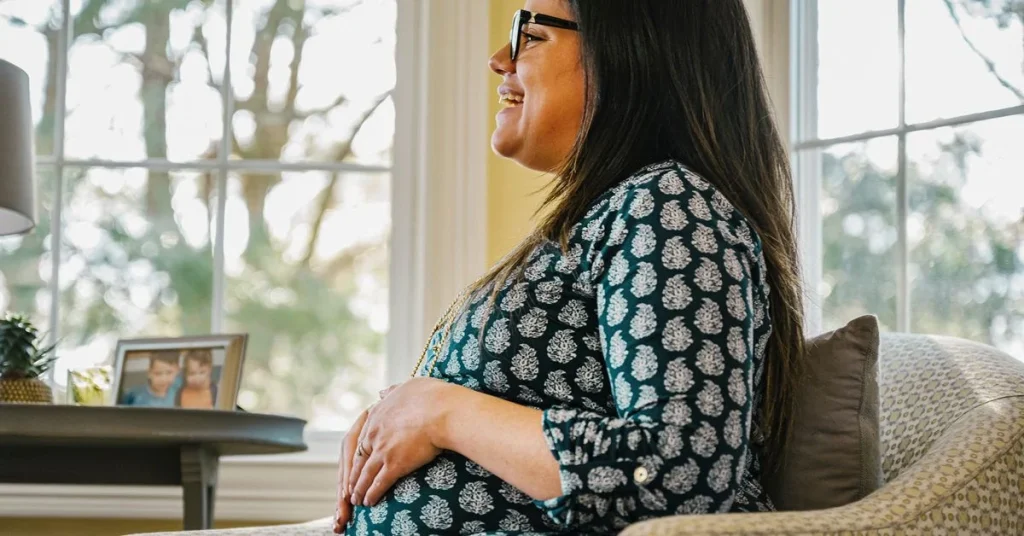
The Power of Knowledge: At-Home Fertility Testing Explained
The process of at-home fertility testing is simple and straightforward. For ovulation tests, individuals need to collect a urine sample and use the test strip to detect the LH surge. The results are typically available within a few minutes. Sperm analysis tests require individuals to collect a semen sample and send it to a laboratory for analysis. The results are usually available within a few days and can be accessed online or through a mobile app.
One of the significant advantages of at-home fertility testing is the convenience it offers. It eliminates the need for multiple appointments, which can be challenging for busy individuals or those living in remote areas. At-home testing also allows for more frequent testing, which can be beneficial for individuals with irregular cycles or those trying to conceive. Furthermore, at-home fertility tests are often more affordable compared to traditional fertility clinics, making it accessible to a wider population.
In addition to convenience and affordability, at-home fertility testing also empowers individuals with knowledge about their reproductive health. It allows individuals to track their cycles, identify any potential issues, and have informed conversations with their healthcare providers. This knowledge can be particularly helpful for those struggling with fertility issues, as it can help them understand the root cause and explore treatment options.
At-home fertility testing is not without its limitations, and it should not be seen as a substitute for professional medical advice. It is essential to consult with a healthcare provider if there are any concerns about fertility. At-home tests may also have a higher margin of error compared to tests conducted in a clinical setting. Therefore, it is crucial to follow the instructions carefully and confirm the results with a healthcare professional if there is any doubt.
In conclusion, at-home fertility testing offers a convenient, affordable, and empowering option for individuals to understand their reproductive health. With the knowledge gained from these tests, individuals can make informed decisions about their family planning and take control of their fertility journey. While it is not a replacement for professional medical advice, at-home fertility testing can provide valuable insights and support individuals on their path to parenthood.