Summary:
Conceiving a child is a life-changing decision, and many couples choose to start their journey from the comfort of their own home. However, this can also lead to a lot of questions and uncertainties. In this blog post, we will address some of the most common questions about at-home conception and provide answers to help ease your mind and provide clarity.
1. Is at-home conception safe?
The safety of at-home conception depends on various factors such as your age, overall health, and any pre-existing medical conditions. It is always recommended to consult with a doctor before attempting to conceive, especially if you have any concerns. Your doctor can also provide valuable advice and guidance to ensure a safe and healthy pregnancy.
2. What are the best methods for at-home conception?
The most common method for at-home conception is tracking your ovulation cycle. This involves monitoring your basal body temperature, cervical mucus, and using ovulation predictor kits. Another popular method is the use of fertility tracking apps, which can help you keep track of your ovulation cycle and provide helpful tips and suggestions.
3. Can at-home conception be successful?
Yes, at-home conception can be successful. Many couples have successfully conceived at home without any medical assistance. It is important to remember that every couple is different, and success rates may vary. Factors such as age, overall health, and fertility can also play a role in the success of at-home conception.
4. What if we have been trying for a while and are not successful?
If you have been trying to conceive for a while without success, it is recommended to consult with a fertility specialist. They can help determine if there are any underlying issues that may be affecting your ability to conceive and provide options for treatment. It is also important to remember that it may take some time and patience before successfully conceiving.
5. Are there any natural ways to boost fertility?
Common Questions About At-Home Conception, Answered
Yes, there are various natural ways to boost fertility. Maintaining a healthy diet, regular exercise, managing stress levels, and avoiding harmful substances such as alcohol and tobacco can all contribute to improving fertility. Additionally, certain supplements and herbs have been known to have positive effects on fertility, but it is important to consult with a doctor before taking any new supplements.
6. Can at-home conception lead to multiple pregnancies?
At-home conception methods such as tracking ovulation do not increase the chances of multiple pregnancies. However, if you are undergoing fertility treatments or using fertility drugs, the chances of conceiving multiples may be higher. It is important to discuss this with your doctor and understand the potential risks and complications that may come with a multiple pregnancy.
7. How long does it take to conceive at home?
The time it takes to conceive at home can vary from couple to couple. On average, it can take anywhere from 6-12 months to successfully conceive. It is important to remember that age and fertility can play a significant role in the time it takes to conceive, and it is normal for it to take longer for some couples.
8. Are there any risks associated with at-home conception?
Generally, at-home conception is safe and does not pose any significant risks. However, it is important to monitor your health and consult with a doctor if you experience any unusual symptoms or have concerns. It is also important to discuss any potential risks with your doctor if you have any underlying medical conditions.
9. Can we choose the gender of our baby with at-home conception?
At-home conception methods do not allow for the selection of the baby’s gender. However, if you are undergoing fertility treatments, you may have the option to choose the gender of your baby through techniques such as pre-implantation genetic testing.
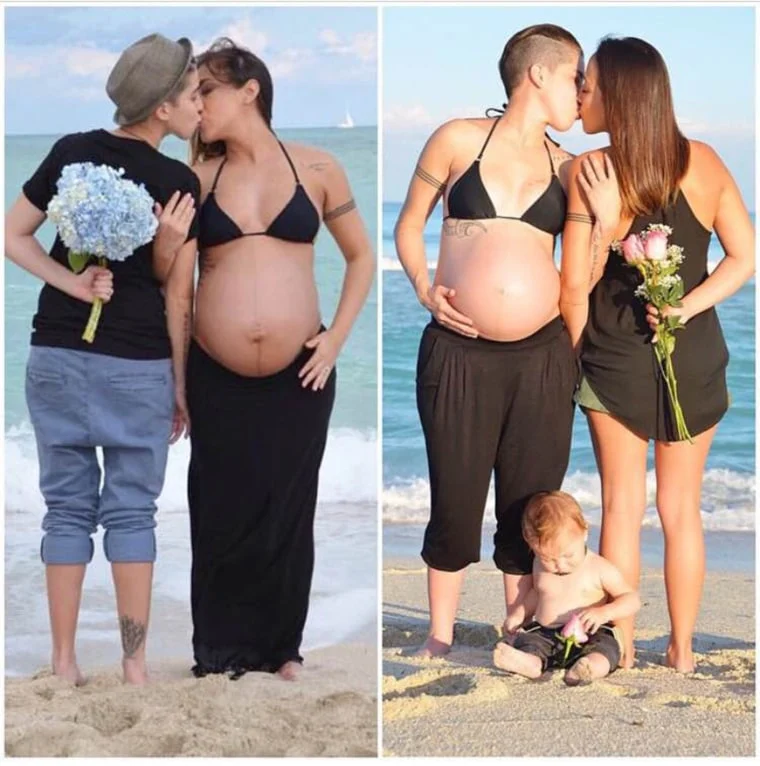
10. What if we are a same-sex couple or single individual trying to conceive at home?
There are various options available for same-sex couples and single individuals who wish to conceive at home. These options include using a sperm donor or undergoing intrauterine insemination (IUI) with donor sperm. It is important to consult with a fertility specialist to determine the best option for your specific situation.
In conclusion, at-home conception can be a successful and safe option for starting a family. However, it is always recommended to consult with a doctor and discuss any concerns or questions you may have. With the right information and guidance, you can embark on your journey to parenthood with confidence and peace of mind.