In today’s society, traditional gender roles are rapidly changing and becoming more fluid. As a result, many parents are looking for gender-neutral names for their babies that reflect this shift towards inclusivity and diversity. Choosing a name for your child can be a daunting task, especially when trying to find one that is not tied to a specific gender or cultural background. However, there are many beautiful and meaningful gender-neutral multicultural names that can be perfect for your little one. In this blog post, we will explore the origins and meanings of these names and provide some suggestions for parents who are searching for a name that is both unique and inclusive.
Origins and Meanings of Gender-Neutral Multicultural Names:
1. Taylor: This popular English name has Old French and Latin origins, meaning “tailor” or “to cut.” It has been traditionally used as a surname, but it has gained popularity as a first name for both boys and girls.
2. Avery: This name has both English and French origins, meaning “ruler of the elves” or “wise.” It has been used as a surname and a first name for both genders.
3. Phoenix: This name has Greek origins, derived from the mythical bird that rises from its own ashes. It has become a popular gender-neutral name in recent years, symbolizing strength, resilience, and rebirth.
4. Kim: This name has multiple origins, including Korean, Vietnamese, and English. In Korean, it means “gold,” while in Vietnamese, it means “golden flower.” It can also be a short form of the English name Kimberly, making it a versatile and multicultural name.
5. Kai: This name has Hawaiian and Japanese origins, meaning “sea” or “ocean” in both languages. It has gained popularity as a gender-neutral name in Western countries, reflecting a connection to nature and a sense of calmness.
6. Amari: This name has African origins, meaning “strength” or “eternal.” It has been traditionally used as a male name, but it has become a popular gender-neutral name in recent years.
7. Rio: This name has Spanish and Portuguese origins, meaning “river.” It has been used as a gender-neutral name in many countries, reflecting a connection to nature and a sense of fluidity.
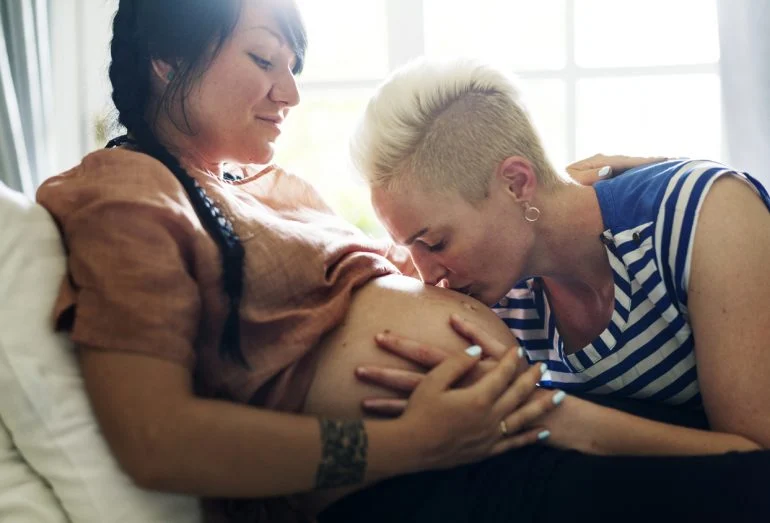
Gender-Neutral Multi-Cultural Names for Your Baby
8. Sam: This name has multiple origins, including Hebrew, Arabic, and English. In Hebrew and Arabic, it means “name of God,” while in English, it is often used as a short form of the name Samuel or Samantha. It has become a popular gender-neutral name in many countries.
9. Sachin: This name has Indian origins, meaning “pure” in Sanskrit. It is traditionally a male name but has become a popular gender-neutral name in recent years, reflecting a shift towards breaking traditional gender stereotypes.
10. Ali: This name has Arabic and Persian origins, meaning “lofty” or “sublime.” It is traditionally a male name but has also been used as a gender-neutral name in many cultures.
Suggestions for Choosing a Gender-Neutral Multicultural Name:
1. Consider the Meaning: When choosing a name for your baby, it is important to consider its meaning and significance. Many gender-neutral multicultural names have beautiful and powerful meanings that can add depth and significance to your child’s identity.
2. Research the Origins: Learning about the origins of a name can also help you make a decision. It can give you a sense of cultural connections and help you understand the significance behind the name.
3. Think Outside the Box: Don’t limit yourself to traditional names or names that are commonly used in your culture. Be open to exploring names from different cultures and languages to find a unique and meaningful name for your child.
4. Consider Pronunciation: It is also essential to consider how the name will be pronounced in different languages. A name that is easy to pronounce in one language may be challenging in another, so make sure to do your research and consider how your child’s name will be pronounced by others.
5. Involve Both Parents: Choosing a name for your baby is a joint decision that should involve both parents. Discussing and researching together can help you find a name that reflects both of your backgrounds and values.
In conclusion, choosing a gender-neutral multicultural name for your baby can be a meaningful and inclusive decision. With its origins and meanings, a name can become a reflection of your child’s identity and values. By considering the suggestions mentioned above and exploring the diverse range of names available, you can find the perfect name for your little one.