The Beauty of Multi-Cultural Baby Names: Embracing Diversity in Naming
Naming a baby is a special and important decision for parents. It is a way to welcome a new life into the world and give them an identity that will stick with them for the rest of their lives. While many parents may choose to stick with traditional or family names, there is a growing trend of embracing multi-cultural baby names. These names not only reflect the diversity of our world but also hold deep meanings and histories that can add beauty and richness to a child’s identity. In this blog post, we will explore the beauty of multi-cultural baby names and why they should be celebrated and embraced.
The world we live in is becoming increasingly diverse, with people from different cultures, backgrounds, and races coming together. This is reflected in the names we give our children. Gone are the days when names were limited to a specific culture or ethnicity. Today, parents are more open to exploring different cultures and choosing names that hold significance in various languages and traditions.
One of the main reasons why multi-cultural baby names are gaining popularity is that they celebrate diversity. These names go beyond borders and show that we are all connected in some way. They also help to break down stereotypes and promote cultural understanding and acceptance. By choosing a multi-cultural name, parents are not only giving their child a unique and beautiful name but also promoting inclusivity and diversity.
Another reason why multi-cultural baby names are so beautiful is that they have rich and diverse meanings. In many cultures, names are chosen based on the meaning and symbolism behind them. For example, the name Aisha, which is of Arabic origin, means “life” or “alive.” This name holds a deep significance and can be a source of inspiration for a child throughout their life. Similarly, the name Kai, which has multiple origins including Hawaiian, Chinese, and Scandinavian, means “sea” or “ocean.” This name can symbolize strength, adaptability, and fluidity, all important traits for a child to possess.
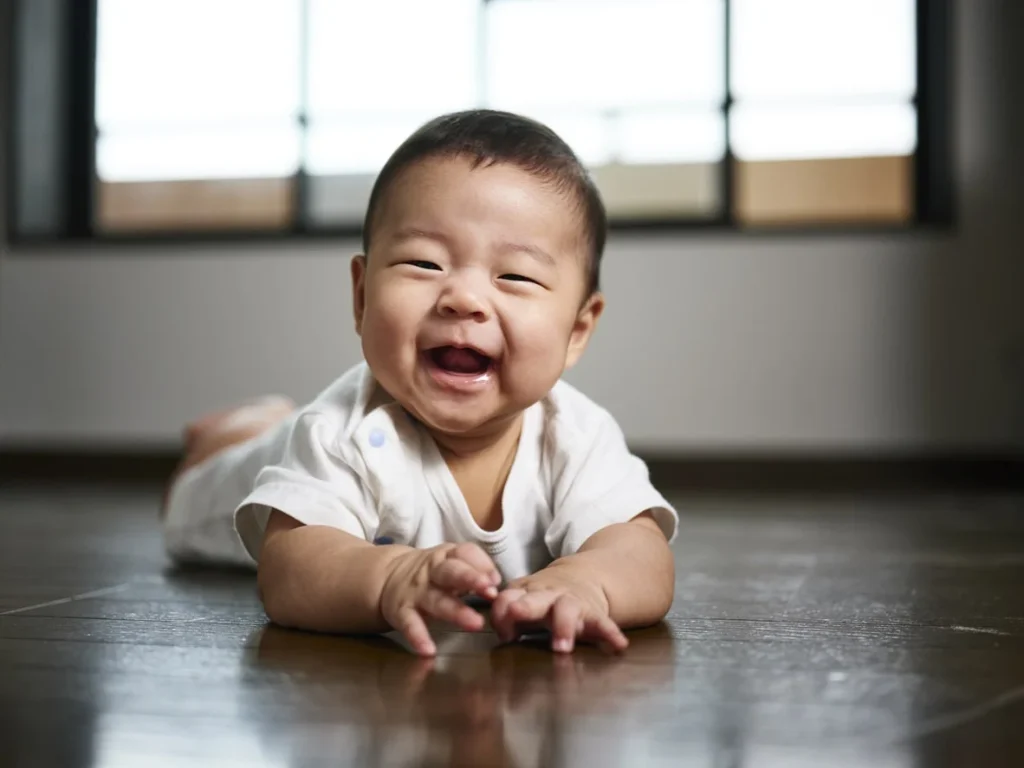
The Beauty of Multi-Cultural Baby Names
Choosing a multi-cultural baby name also allows parents to honor their own heritage and ancestry. In today’s world, many families are a blend of different cultures and traditions. By choosing a name from a specific cultural background, parents are keeping their heritage alive and passing it down to their child. This can also be a way to connect a child to their roots and help them embrace their identity.
Multi-cultural baby names also have a sense of uniqueness and individuality. As more and more people choose these names, they become less common and add a sense of individuality to a child’s identity. This can be a great way for a child to stand out and embrace their uniqueness. It also allows them to have a connection to their culture or a culture that they may not have a direct link to.
In addition to the beauty and significance of multi-cultural baby names, they also offer practical benefits. In today’s globalized world, having a name that can be easily pronounced and recognized in different languages and cultures can be advantageous. It can also open up opportunities for a child in terms of travel, education, and career prospects. Multi-cultural names can also help children develop a sense of empathy and understanding towards different cultures and languages.
It is also worth mentioning that the beauty of multi-cultural baby names is not limited to just traditional names. Many parents are now choosing to combine names from different cultures or create unique names that honor their heritage. For example, the name Amalia combines the German name “Amal” meaning “work” with the Spanish name “Lia” meaning “lion.” This not only creates a beautiful and unique name but also embraces the diversity of the child’s heritage.
In conclusion, the beauty of multi-cultural baby names lies in their ability to celebrate diversity, hold deep meanings, honor heritage, promote uniqueness, and offer practical benefits. They not only add a unique touch to a child’s identity but also promote inclusivity and understanding. As our world becomes more interconnected, multi-cultural names are a reflection of our diverse and beautiful society. So, if you are expecting a baby, consider looking beyond traditional names and embrace the beauty of multi-cultural names.