Progressive Names for Families Who Believe in Gender Equality: Celebrating Diversity and Inclusivity
In today’s society, the concept of gender equality has become an increasingly important topic. More and more families are openly discussing and actively promoting gender equality within their households. As a result, many parents are looking for ways to reflect their values and beliefs through the names they choose for their children.
Traditionally, names have been used to impose gender stereotypes, with certain names being associated with a specific gender. However, with the rise of the gender equality movement, many families are choosing to break free from these constraints and opt for more progressive and inclusive names for their children.
If you are a family who believes in gender equality and wants to reflect this in your child’s name, here are some suggestions to consider.
1. Gender-Neutral Names
One way to promote gender equality through names is to choose a gender-neutral name. These are names that are not specifically associated with either gender and can be used for both boys and girls. Examples of gender-neutral names include Alex, Taylor, Jamie, and Riley. By choosing a gender-neutral name, you are making a statement that gender does not define a person and that all genders are equal.
2. Unisex Names
Similar to gender-neutral names, unisex names are also not specifically associated with a particular gender. However, unisex names may have a history of being used for one gender but have now become more widely accepted for both genders. Examples of unisex names are Jordan, Casey, and Morgan. By choosing a unisex name, you are breaking away from traditional gender norms and embracing equality for all.
3. Combining Names
Another way to promote gender equality through names is to combine traditionally masculine and feminine names. For example, you could combine the names Alex and Andrea to create the name Alexanrea. This not only creates a unique and inclusive name but also sends a message that both masculine and feminine qualities are valued and important.
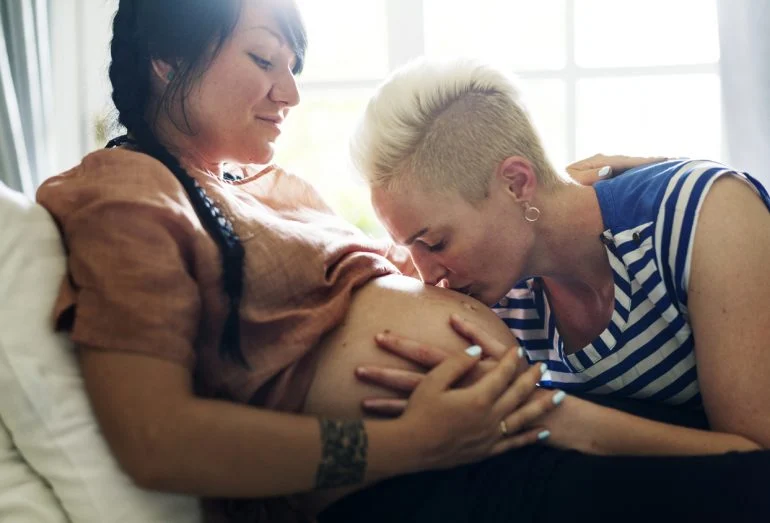
Progressive Names for Families Who Believe in Gender Equality
4. Non-Binary Names
Non-binary names are those that do not fit into the male or female category. These names are often used by individuals who do not identify as strictly male or female. Examples of non-binary names include Aiden, Phoenix, and Sage. By using a non-binary name, you are acknowledging and accepting that gender is not a binary concept, and all gender identities are valid.
5. Names with Meaning
Some families choose to give their child a name with a specific meaning that promotes gender equality. For example, the name Taylor means “tailor” and can symbolize the idea that individuals should be able to craft their own identity without being confined by gender stereotypes. Other names with meanings that promote gender equality include Justice, Harmony, and Equality.
6. Diverse Names
Choosing a name from a different culture can also be a way to promote gender equality. Many cultures have names that are not gender-specific, and by using these names, you are embracing diversity and inclusivity. For example, the name Amari is a unisex name of African origin, meaning “strength” or “builder.” By using diverse names, you are celebrating and valuing different cultures and their unique naming traditions.
7. Reclaiming Names
In some cases, families may choose to reclaim names that have been traditionally associated with a specific gender. For example, the name Ashley was originally a male name but is now commonly used for girls. By reclaiming these names, families are breaking away from gender stereotypes and embracing the idea that names should not have a specific gender assigned to them.
In summary, choosing a progressive name for your child is a powerful way to promote gender equality and celebrate diversity and inclusivity. Whether it’s a gender-neutral name, a non-binary name, or a name with a special meaning, these names send a message that all genders are equal and should be celebrated.
Choosing a progressive name for your child may also come with challenges, such as facing criticism or confusion from others. However, it is important to remember that your child’s name is a reflection of your family’s values and beliefs, and it is ultimately your decision to make.
In the end, the most important thing is to choose a name that you and your child are happy with, regardless of societal expectations or norms. Embracing progressive names for families who believe in gender equality is just one small step towards creating a more inclusive and equal society for all.