Title: From Clinic to Couch: The Rise of At-Home Syringe Insemination
In recent years, there has been a significant increase in the popularity of at-home syringe insemination as a method for conceiving a child. This alternative to traditional clinical insemination, which involves the insertion of donor sperm into the uterus, has gained traction for its convenience, privacy, and cost-effectiveness. With the rise of technology and the increasing acceptance of alternative family structures, more and more people are turning to at-home syringe insemination as a way to start or expand their families. In this blog post, we will explore the history, process, and benefits of at-home syringe insemination, as well as the potential challenges and controversies surrounding this practice.
History of At-Home Syringe Insemination
The concept of at-home syringe insemination is not new. In fact, it has been around for centuries, with evidence of its use in ancient civilizations such as Greece and China. However, it wasn’t until the 20th century that this method gained more widespread recognition and use. In the 1970s, with the advent of artificial insemination and the availability of donor sperm, at-home syringe insemination became a viable option for those struggling with fertility or those in non-traditional family structures. The rise of the internet and online fertility communities in the 1990s and early 2000s further popularized this method, making it more accessible and widely known.
The Process of At-Home Syringe Insemination
At-home syringe insemination involves the use of a syringe to insert donor sperm into the vagina or cervix, with the goal of fertilizing an egg and achieving pregnancy. The process is relatively simple and can be done by individuals or couples in the comfort of their own home. To begin, the donor sperm is collected and prepared, either by a sperm bank or a known donor. The sperm is then drawn into a syringe and inserted into the vagina, near the cervix, at the optimal time in the menstrual cycle for conception. Some people also use an ovulation predictor kit to help determine the most fertile days. The sperm is then left to travel through the cervix and into the uterus, where it can hopefully fertilize an egg.
From Clinic to Couch: The Rise of At-Home Syringe Insemination
Benefits of At-Home Syringe Insemination
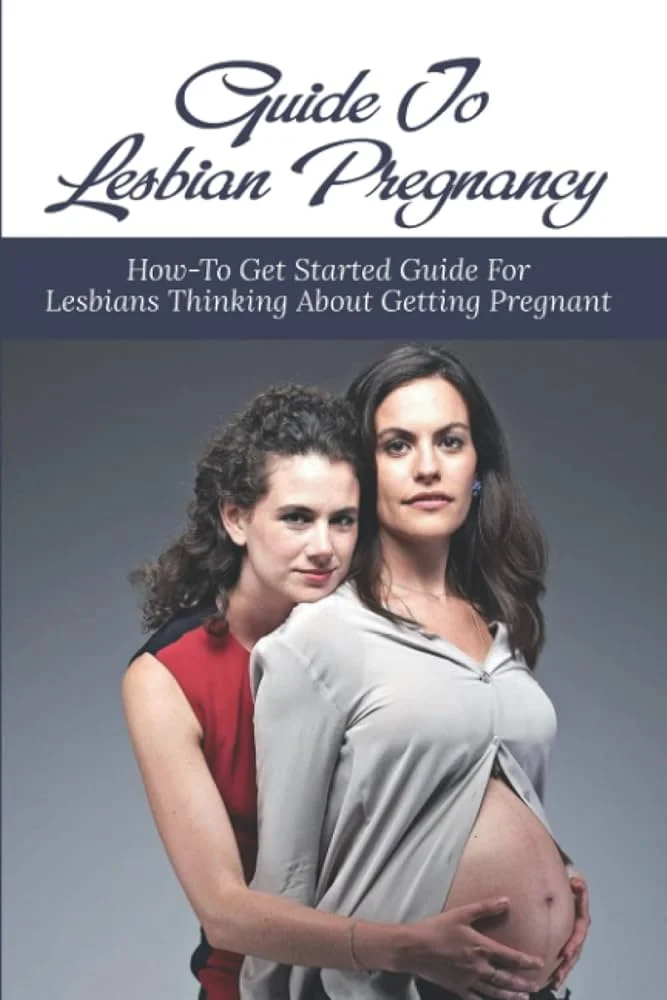
One of the main benefits of at-home syringe insemination is the convenience and privacy it offers. Unlike traditional clinical insemination, which requires multiple appointments at a fertility clinic, at-home insemination can be done in the comfort and privacy of one’s own home. This can be particularly appealing for those who are uncomfortable with the clinical setting or for those in same-sex relationships who may feel more comfortable conceiving in their own space. Additionally, at-home insemination can be a more affordable option for those who may not have the financial means to undergo clinical insemination.
Another significant advantage of at-home syringe insemination is the control it gives individuals or couples over the process. They can choose the donor sperm that best suits their preferences and values, and they have more control over the timing and frequency of insemination attempts. This can be particularly beneficial for those with irregular menstrual cycles or those who have had difficulties conceiving through natural means.
Challenges and Controversies
While at-home syringe insemination has gained popularity, it is not without its challenges and controversies. One of the main concerns is the lack of medical supervision and oversight in this method. Unlike clinical insemination, at-home insemination does not involve a medical professional monitoring the process and ensuring the safety and success of the procedure. This can lead to increased risks for both the donor and the recipient, such as the potential for sexually transmitted infections or the possibility of inserting the sperm incorrectly.
Another concern is the potential legal and ethical issues surrounding at-home syringe insemination. In some countries, it is illegal to use donor sperm outside of a clinical setting, and this could lead to legal issues for those who choose to do so. Additionally, there are ethical considerations, such as the potential impact on the child conceived through at-home insemination, who may never have the chance to know their biological father or have access to their medical history.
In conclusion, at-home syringe insemination has become a popular alternative to traditional clinical insemination due to its convenience, privacy, and affordability. While there are some challenges and controversies, the rise of technology and the changing societal attitudes towards alternative family structures have made this method more accessible and acceptable. As with any medical procedure, it is essential to weigh the potential risks and benefits and seek proper guidance and support before making a decision. Ultimately, at-home syringe insemination can provide hope and opportunity for individuals and couples to start or expand their families in a way that feels right for them.