Blog Post: Overcoming Obstacles: Syringe Insemination for Women with Fertility Challenges
Introduction:
Infertility is a challenge that affects millions of couples around the world. It can be a frustrating and emotional journey, especially for women who dream of starting a family. While there are various fertility treatments available, not all are suitable for every individual. For women with certain fertility challenges, traditional methods such as In Vitro Fertilization (IVF) may not be an option. However, there is a lesser-known treatment called syringe insemination that has been successful in helping women overcome their fertility obstacles. In this blog post, we will explore the process of syringe insemination and how it has provided hope for women struggling with fertility issues.
What is Syringe Insemination?
Syringe insemination, also known as intrauterine insemination (IUI), is a fertility treatment that involves inserting sperm directly into a woman’s uterus using a syringe. This procedure is typically performed by a fertility specialist and is an alternative to traditional methods such as IVF. The process of syringe insemination is much simpler and less invasive compared to IVF, making it a more feasible option for women with fertility challenges.
Who can benefit from Syringe Insemination?
Syringe insemination is an ideal option for women who face fertility challenges such as ovulation disorders, cervical issues, and unexplained infertility. It is also a suitable option for women who have a partner with a low sperm count or poor sperm quality. Additionally, women who are unable to conceive due to same-sex relationships or single women who wish to have a child can also benefit from this procedure.
The Process of Syringe Insemination:
The process of syringe insemination typically involves the following steps:
1. Fertility Testing: Before undergoing syringe insemination, both the woman and her partner will undergo fertility testing to determine the cause of their infertility. This can include blood tests, ultrasound, and semen analysis.
2. Ovulation Induction: In some cases, medication may be prescribed to stimulate the ovaries and increase the chances of successful insemination.
3. Sperm Collection: The male partner will be asked to provide a fresh semen sample on the day of insemination. The sample will then be washed and prepared for insemination.
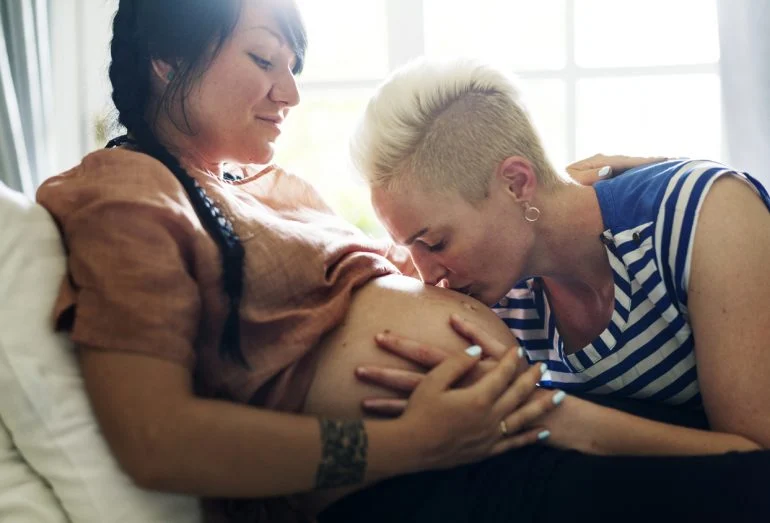
Overcoming Obstacles: Syringe Insemination for Women with Fertility Challenges
4. Insemination: The doctor will insert the prepared sperm into the uterus using a thin catheter attached to a syringe. This process is usually painless and takes only a few minutes.
5. Resting Period: After the insemination, the woman will be asked to rest for a short period, usually 10-15 minutes, before going home.
6. Pregnancy Test: Two weeks after the insemination, a pregnancy test will be conducted to determine if the procedure was successful.
Benefits of Syringe Insemination:
1. Non-Invasive: Unlike IVF, syringe insemination is a non-invasive procedure that does not require any surgical incisions. This means less discomfort and a shorter recovery time for the woman.
2. Cost-Effective: Syringe insemination is a more affordable option compared to IVF, making it accessible to more women who cannot afford traditional fertility treatments.
3. Minimal Medication: The process of syringe insemination involves minimal medication, making it a safer option for women who cannot tolerate certain medications.
4. Higher Success Rate: While IVF has a success rate of around 30%, syringe insemination has a success rate of up to 20%, making it a more viable option for women with fertility challenges.
5. Can be Repeated: Unlike IVF, which can only be done a limited number of times, syringe insemination can be repeated multiple times if necessary.
Conclusion:
Fertility challenges can be a daunting and emotional journey for women who dream of starting a family. However, with advancements in medical technology, there are now more options available for women to overcome their obstacles. Syringe insemination has provided hope for many women struggling with fertility issues and has proven to be a successful alternative to traditional methods. Its non-invasive nature, affordability, and high success rate make it a viable option for women who are unable to conceive through other means.
In conclusion, syringe insemination is a promising treatment for women with fertility challenges. It has helped many women fulfill their dream of starting a family, and with continued research and advancements, it is sure to provide hope for many more in the future.
SEO Metadata: