Blog Post Title: At-Home Sperm Donation for Same-Sex Couples: Overcoming Challenges
Same-sex couples who are trying to start a family may face unique challenges when it comes to finding a sperm donor. While traditional options like using a sperm bank or finding a known donor may work for some, others may not have access to these options or may prefer a more personal and intimate approach. This is where at-home sperm donation for same-sex couples comes into play.
At-home sperm donation involves a known donor providing sperm directly to the intended parents without the involvement of a medical facility or sperm bank. This process can be a viable option for same-sex couples, but it also comes with its own set of challenges. In this blog post, we’ll dive into the different aspects of at-home sperm donation for same-sex couples and discuss how these challenges can be overcome.
1. Legality and Parental Rights
One of the biggest challenges for same-sex couples seeking at-home sperm donation is navigating the legalities and parental rights. When a child is conceived through at-home sperm donation, the donor may have legal rights and responsibilities depending on the laws in the state or country. In some cases, the donor may be considered the legal father and may have to pay child support or may have visitation rights.
To overcome this challenge, it is crucial for same-sex couples to have a legal agreement in place with the donor before conception. This agreement should outline the roles and responsibilities of each party and clearly state that the donor does not have any legal rights or obligations to the child. It is also recommended to seek legal advice and have the agreement notarized to ensure its validity.
2. Finding a Donor
Finding a donor can be a daunting task for same-sex couples. Unlike heterosexual couples, they cannot rely on a partner to provide sperm. This means they must find a donor who is willing to participate in at-home sperm donation. It can be challenging to find a suitable donor who is willing to go through the process, especially if the couple does not have a wide network of potential donors.
To overcome this challenge, same-sex couples can consider using online sperm donor matching websites or reaching out to LGBTQ+ communities for potential donors. It is important to thoroughly screen and get to know the donor before proceeding with at-home sperm donation.
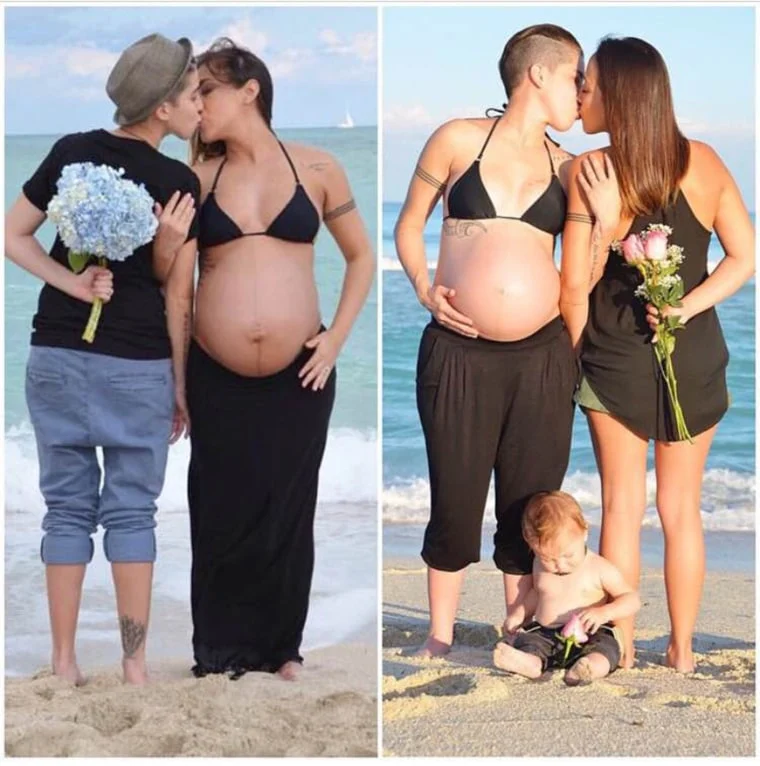
At-Home Sperm Donation for Same-Sex Couples: Overcoming Challenges
3. Health and Safety Concerns
At-home sperm donation does not involve a medical facility, which means there are potential health and safety concerns. The donor may not have undergone proper testing for sexually transmitted diseases or may not have a thorough medical history. This can put both the intended parents and the child at risk.
To overcome this challenge, it is crucial to have the donor undergo proper testing and screening before proceeding with at-home sperm donation. This can include testing for sexually transmitted diseases, genetic disorders, and other health concerns. The donor should also provide a detailed medical history to ensure that any potential health risks are identified.
4. Emotional Considerations
At-home sperm donation can be an emotional process for all parties involved. The donor may have a personal connection to the child, and the intended parents may feel a sense of uncertainty or insecurity about not being biologically related to the child. This can lead to emotional challenges and conflicts that need to be addressed.
To overcome this challenge, it is essential to have open and honest communication between all parties involved. This includes discussing boundaries, expectations, and potential emotional issues. It may also be helpful to seek counseling or therapy to navigate any emotional concerns that may arise.
5. Home Insemination Process
The process of at-home sperm donation involves the donor providing the sperm and the intended parents performing the insemination at home. This process may be unfamiliar and intimidating for some same-sex couples, especially if they are not well-versed in fertility and conception.
To overcome this challenge, it is recommended to seek guidance from a fertility specialist or healthcare provider. They can provide instructions and support for the home insemination process and ensure that it is done safely and effectively.
In conclusion, at-home sperm donation can be a viable option for same-sex couples who want to start a family. However, it is essential to overcome the various challenges that may arise. By addressing the legal, emotional, and health aspects of at-home sperm donation, same-sex couples can have a successful and fulfilling journey towards parenthood.
Summary: Same-sex couples may face unique challenges when it comes to starting a family through at-home sperm donation. These challenges include legality and parental rights, finding a donor, health and safety concerns, emotional considerations, and the home insemination process. However, by addressing these challenges with proper legal, emotional, and medical considerations, same-sex couples can overcome them and embark on a fulfilling journey towards parenthood.