Blog Post:
In the world of reproductive technology, artificial insemination has become a popular method for individuals and couples to conceive. While it is typically associated with fertility clinics and medical procedures, home artificial insemination (HAI) has also gained traction as an alternative option for those looking to start a family. But just how successful is HAI? In this blog post, we will break down the success rates of home artificial insemination and explore the factors that may affect its efficacy.
What is Home Artificial Insemination?
Home artificial insemination is the process of manually inserting sperm into a woman’s reproductive tract in order to fertilize an egg and achieve pregnancy. It can be done at home with a donor or partner’s sperm, using a DIY insemination kit or through a licensed sperm bank. The process involves collecting sperm, placing it into a syringe or insemination device, and then inserting it into the woman’s vagina or cervix.
Success Rates of Home Artificial Insemination
The success rates of HAI vary depending on several factors, including the age and health of the woman, the quality of the sperm, and the timing of insemination. According to a study published in the Journal of Assisted Reproduction and Genetics, the overall pregnancy rate for HAI is around 10-15%. This is significantly lower compared to the success rates of in vitro fertilization (IVF) and intrauterine insemination (IUI), which have an average success rate of 40-45% and 10-20%, respectively.
Factors Affecting Success Rates
Age and Health of the Woman
As with any method of conception, age plays a crucial role in the success rates of HAI. Women over the age of 35 may have a lower chance of getting pregnant through HAI due to a decline in fertility. Additionally, women with underlying health conditions such as endometriosis, polycystic ovary syndrome (PCOS), or blocked fallopian tubes may also have a lower success rate with HAI.
Quality of Sperm
The quality of sperm used in HAI also greatly affects its success rates. Sperm count, motility (movement), and morphology (shape) are all important factors to consider. Low sperm count and poor motility can decrease the chances of fertilization and pregnancy.
Timing of Insemination
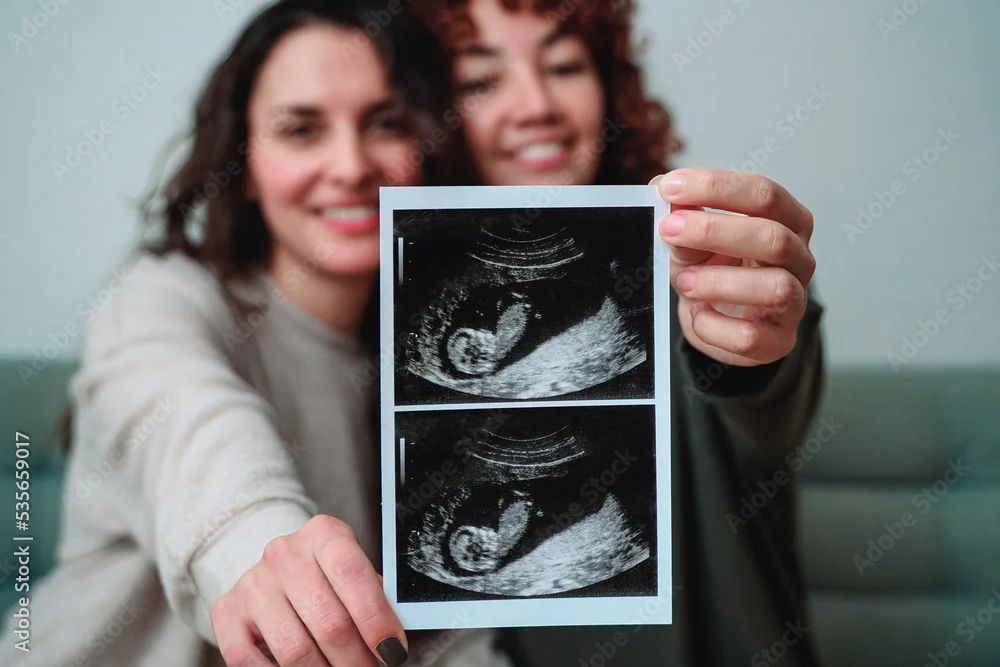
Breaking Down the Success Rates of Home Artificial Insemination
Timing is crucial in HAI as it can greatly affect the success rates. Ovulation, the release of an egg from the ovary, usually occurs around day 14 of a woman’s menstrual cycle. Insemination should be done as close to ovulation as possible to increase the chances of fertilization. Tracking ovulation through methods such as ovulation predictor kits or basal body temperature charting can help determine the best time for insemination.
Tips for Increasing Success Rates
While the success rates of HAI may be lower compared to other assisted reproductive technologies, there are some tips that may help increase the chances of success:
1. Seek Professional Guidance: Consulting with a fertility specialist or reproductive endocrinologist can provide valuable insight and guidance on the best methods and timing for HAI.
2. Use Quality Sperm: Using sperm from a licensed sperm bank can ensure the quality and viability of the sperm, increasing the chances of pregnancy.
3. Track Ovulation: As mentioned earlier, tracking ovulation can help determine the best time for insemination.
4. Consider Fertility Medications: Some women may benefit from taking fertility medications to stimulate ovulation and increase the chances of conception.
5. Stay Healthy: A healthy lifestyle can increase the chances of conception. Eating a balanced diet, exercising regularly, and avoiding harmful substances like tobacco and excessive alcohol can improve overall reproductive health.
Is HAI Right for You?
While HAI may be a more accessible and affordable option compared to other assisted reproductive technologies, it is not suitable for everyone. Couples with fertility issues such as sperm abnormalities or blocked fallopian tubes may not benefit from HAI. Consulting with a fertility specialist can help determine if HAI is the best option for you.
In summary, the success rates of home artificial insemination may be lower compared to other assisted reproductive technologies, but it can still be a viable option for individuals and couples looking to conceive. Factors such as age, health, sperm quality, and timing of insemination can affect its efficacy. By considering these factors and following tips to increase success rates, HAI can be a promising method for starting a family.
SEO metadata: