Blog Post:
DIY sperm donation is becoming increasingly popular as more and more people seek alternative options for starting a family. This process involves a person donating their sperm directly to the intended recipient, without the involvement of a sperm bank or fertility clinic. While it may seem like a simple and cost-effective solution, there are several important factors to consider before embarking on the DIY sperm donor process. In this blog post, we will break down the steps involved and discuss what you need to know before becoming a DIY sperm donor.
Step 1: Know the Laws and Regulations
Before beginning the DIY sperm donor process, it is crucial to understand the laws and regulations surrounding sperm donation in your country or state. These laws vary greatly, so it is important to do thorough research and consult with a legal professional. In some places, donating sperm without the involvement of a licensed fertility clinic is illegal, while in others it is allowed under certain conditions. It is important to follow the laws and regulations to avoid any legal complications in the future.
Step 2: Understand the Risks
While DIY sperm donation may seem like a simple process, it is not without risks. The biggest risk is the potential for the donor to be held financially responsible for the child. In some cases, if the donor is not protected by a legal agreement or the laws in their area, they may be required to pay child support. This is why it is essential to consult with a legal professional and have a written agreement in place before proceeding with the donation process.
Step 3: Consider the Emotional Implications
Sperm donation can have emotional implications for both the donor and the recipient. It is important to consider how you will feel about having a biological child who you may not have any contact with. On the other hand, the recipient may also struggle with the idea of not knowing their child’s biological father. It is crucial to have open and honest communication with all parties involved and to consider the potential emotional impact before proceeding with the DIY sperm donor process.
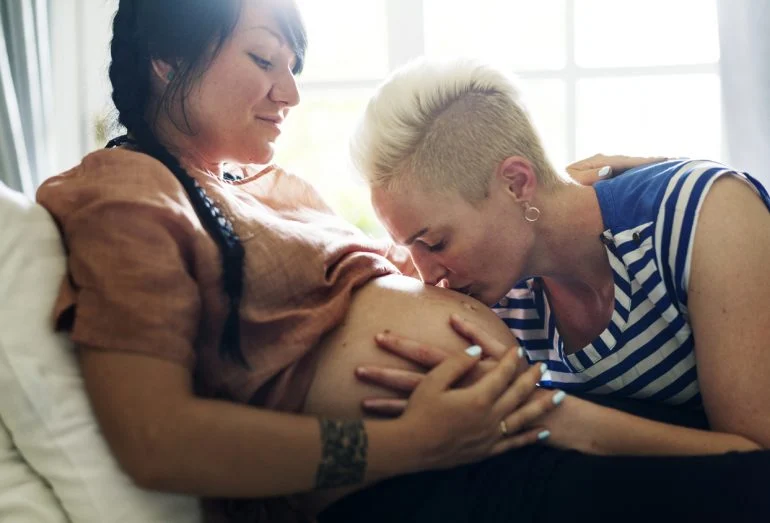
Breaking Down the DIY Sperm Donor Process: What You Need to Know
Step 4: Decide on the Method of Donation
There are two main methods of DIY sperm donation: artificial insemination and natural insemination. Artificial insemination involves the donor collecting their sperm in a sterile container and then the recipient using a syringe or other device to insert the sperm into their body. Natural insemination, on the other hand, involves sexual intercourse between the donor and the recipient. It is important to have a clear understanding and agreement on the method of donation before proceeding.
Step 5: Get Tested
Before donating sperm, it is crucial to get tested for sexually transmitted infections (STIs). This is important for the health and safety of both the donor and the recipient. It is recommended to get tested at a licensed medical facility for accurate results. It is also important to discuss any medical history that may impact the health of the child, such as genetic conditions or family medical history.
Step 6: Have a Legal Agreement
As mentioned before, having a legal agreement in place is crucial for protecting both the donor and the recipient. This agreement should outline the terms of the donation, including the method of donation, financial responsibilities, and any other important details. It is recommended to have this agreement drafted and reviewed by a legal professional to ensure that both parties are protected.
Step 7: Follow Up with the Recipient
After the donation process, it is important to follow up with the recipient to ensure that they have successfully conceived and to check on the health of the child. This can also be an opportunity to discuss any potential involvement in the child’s life, if desired by both parties. It is important to have open and honest communication throughout the entire process.
In summary, the DIY sperm donor process involves several important steps, including understanding the laws and regulations, considering the risks and emotional implications, deciding on the method of donation, getting tested, having a legal agreement, and following up with the recipient. It is crucial to do thorough research and consult with legal and medical professionals before proceeding with this process. Open and honest communication is also key to ensuring a successful and positive experience for all parties involved.