Blog Post: Exploring the Ethics of DIY Sperm Donation
The concept of sperm donation has been around for decades, providing individuals and couples with the opportunity to start a family when traditional methods are not an option. However, with the rise of DIY sperm donation, there has been a shift in the way people view this practice and its ethical implications. In this blog post, we will delve into the world of DIY sperm donation, discussing its history, current practices, and the ethical considerations that come with it.
History of Sperm Donation
Sperm donation has been a part of human history for centuries, with the first recorded instance being in the 19th century. However, it was not until the 20th century that the practice became more widespread and regulated. In the early days, sperm donation was primarily used for artificial insemination in married couples struggling with fertility. But as the years went by, the demand for sperm donors increased, leading to the creation of sperm banks and the development of more advanced reproductive technologies.
The Rise of DIY Sperm Donation
In recent years, there has been a rise in the popularity of DIY sperm donation, also known as “private sperm donation.” This is when an individual or couple seeks a sperm donor outside of a formal sperm bank, often through online platforms or social media. This method of sperm donation is often more affordable and allows for more control over the selection process, as opposed to using a sperm bank.
However, with the increase in accessibility and availability of DIY sperm donation, there have been concerns raised about its ethics and potential risks. Here are some of the key ethical considerations surrounding DIY sperm donation:
Consent and Legal Implications
One of the most significant concerns with DIY sperm donation is the issue of consent. In traditional sperm donation, both the donor and recipient go through a thorough screening process and sign a legal contract, ensuring that both parties are aware of their rights and responsibilities. However, in DIY sperm donation, there is often no legal contract, and the donor’s consent may not be fully informed. This raises questions about the donor’s rights and the potential legal implications that may arise.
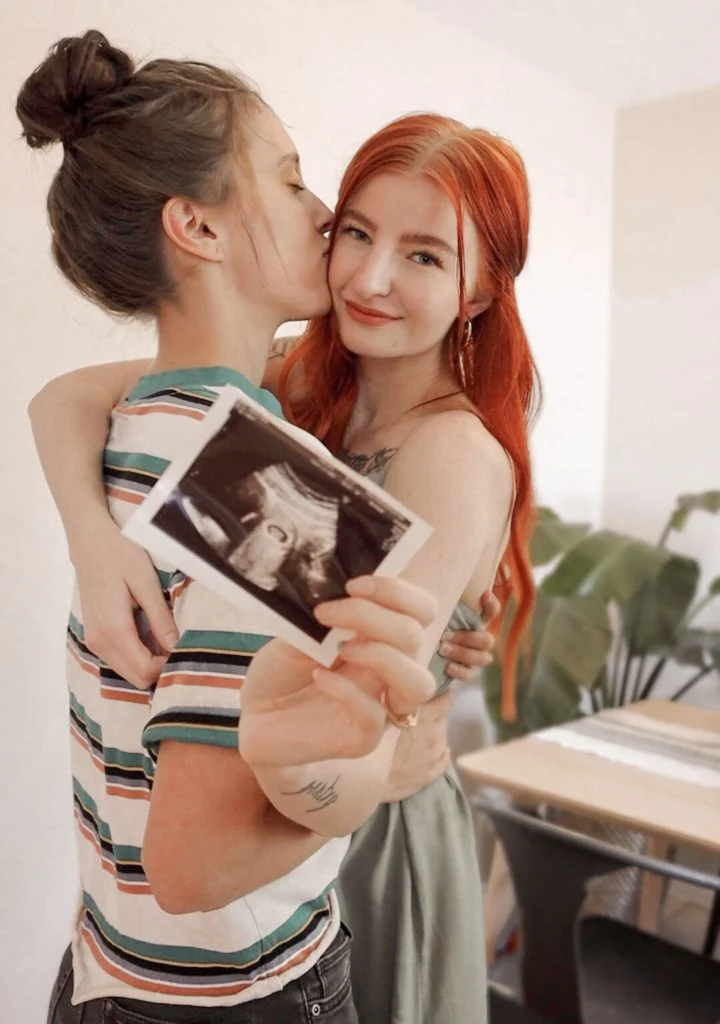
Exploring the Ethics of DIY Sperm Donation
Lack of Regulation and Quality Control
Another ethical consideration is the lack of regulation and quality control in DIY sperm donation. Sperm banks are required to adhere to strict guidelines and regulations to ensure the safety and health of both the donor and recipient. However, in DIY sperm donation, there is no oversight, and the donor’s medical history and genetic information may not be thoroughly examined. This can pose potential health risks to the recipient and any resulting offspring.
Emotional and Psychological Implications
Sperm donation can have significant emotional and psychological implications for all parties involved. In DIY sperm donation, there is often a lack of communication and relationship between the donor and recipient, which can lead to confusion and emotional turmoil for the child conceived through this method. Additionally, the donor may also have emotional and psychological repercussions, such as feelings of guilt, regret, or even paternal instincts towards the child.
Ethical Considerations for the Child
Children conceived through sperm donation have the right to know their biological origins. In traditional sperm donation, the child has the opportunity to access this information through the sperm bank, and the donor may also have the option to be contacted by the child once they reach a certain age. However, in DIY sperm donation, this information may not be readily available, and the child may never have the chance to learn about their biological father, which can have a significant impact on their identity and sense of self.
The Importance of Ethical Guidelines
As with any medical practice, ethical guidelines must be in place to protect the rights and well-being of all parties involved in DIY sperm donation. It is essential for both donors and recipients to be fully informed and aware of the potential risks and implications of this method, and to have a legal contract in place to protect their rights. Additionally, there should be regulations in place to ensure the safety and health of the donor and recipient, as well as any resulting children.
In conclusion, while DIY sperm donation may seem like a convenient and affordable option for starting a family, it is crucial to consider the ethical implications and potential risks involved. It is essential for individuals and couples to thoroughly research and understand the process before embarking on this journey, and for ethical guidelines and regulations to be in place to protect the rights and well-being of all parties involved.
Summary:
DIY sperm donation, or private sperm donation, is a rising trend where individuals and couples seek a sperm donor outside of a formal sperm bank. While it may seem convenient and affordable, there are ethical considerations to be aware of, such as consent, lack of regulation and quality control, emotional and psychological implications, and the rights of the child. It is important for ethical guidelines and regulations to be in place to protect all parties involved in DIY sperm donation.