Blog Post:
DIY sperm donation, also known as self-insemination, is becoming an increasingly popular method for individuals and couples who are unable to conceive naturally. With the rise of at-home insemination kits and online sperm banks, it may seem like a convenient and affordable solution for those seeking to start a family. However, one crucial aspect that cannot be overlooked in this process is proper screening.
The decision to use DIY sperm donation should not be taken lightly, as it involves not only the potential donor but also the recipient and the future child. While it may seem like a simple and straightforward process, there are many risks involved if proper screening is not conducted.
The first and most important reason for proper screening in DIY sperm donation is to ensure the safety and health of both the donor and the recipient. The donor’s sperm needs to be tested for any sexually transmitted infections (STIs) or genetic disorders that could be passed on to the recipient or the child. In traditional sperm donation, this screening is done through a licensed sperm bank, where donors undergo thorough medical and genetic testing. However, with DIY sperm donation, the responsibility falls on the individuals involved to carry out the screening process.
Many online sperm banks may claim to have already screened their donors, but it is essential to do your research and ensure that the screening process is legitimate and up to standard. The recipient should also undergo medical testing to ensure that she is healthy and able to conceive without any underlying fertility issues.
The second reason for proper screening is to establish a legal agreement between the donor and the recipient. In traditional sperm donation, the donor signs away any parental rights and responsibilities, and the recipient signs a contract acknowledging the donor’s lack of involvement in the child’s life. However, in DIY sperm donation, there is no legal framework in place, making it crucial to have a clear and legally binding agreement between the parties involved. This agreement should outline the responsibilities and expectations of both the donor and the recipient, including financial support, involvement in the child’s life, and potential legal issues that may arise in the future.
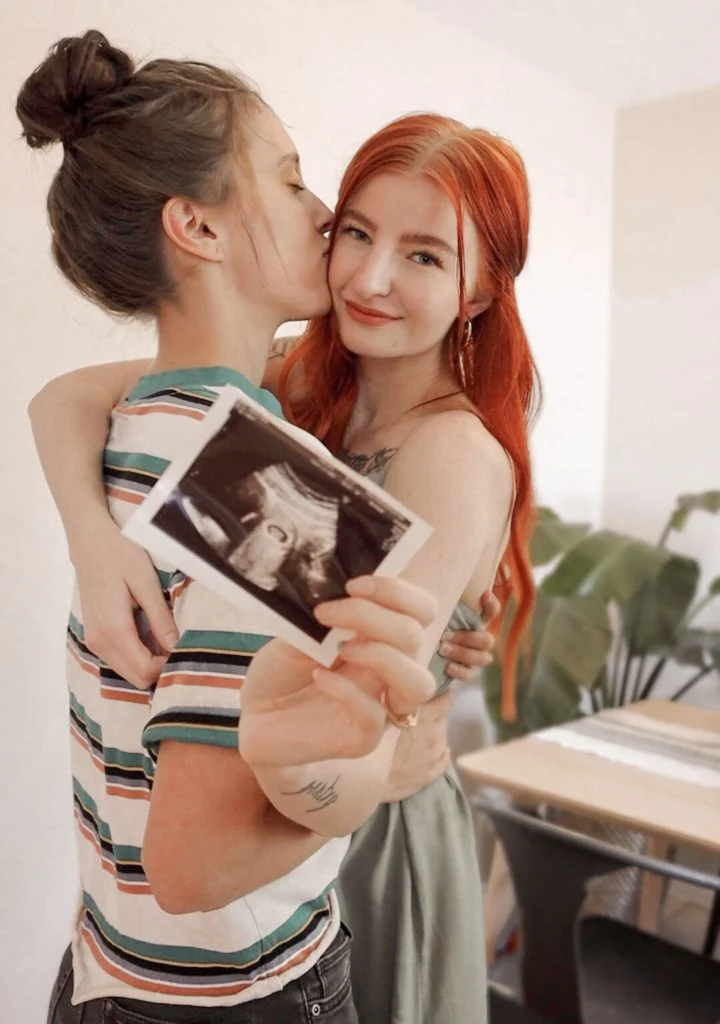
The Importance of Proper Screening in DIY Sperm Donation
The third reason for proper screening is to protect the child’s best interests. While DIY sperm donation may seem like a more affordable option, it is essential to consider the emotional and psychological impact on the future child. The child has the right to know about their biological father and any potential half-siblings. Without proper screening, there is a risk of the child being born with genetic disorders or health issues that could have been prevented. It is also crucial for the child to have access to their medical history and any potential hereditary conditions that may need to be monitored.
Additionally, proper screening can help ensure that the donor is mentally and emotionally prepared to take on the role of a sperm donor. Donating sperm is a significant decision that requires a great deal of responsibility. The donor should undergo counseling and psychological evaluation to assess their understanding and readiness for this role. It is also important to consider the donor’s motivations for donating and to ensure that they are not doing it for the wrong reasons, such as financial gain.
In addition to these reasons, proper screening can also help prevent legal issues in the future. Without a legal agreement and thorough screening, the donor may be able to claim parental rights, leading to custody battles and other legal complications. By conducting proper screening and establishing a legally binding agreement, these potential issues can be avoided.
In summary, proper screening is crucial in DIY sperm donation to ensure the safety and health of all parties involved, establish a legal agreement, protect the child’s best interests, and prevent potential legal issues. It may seem like an extra step in the process, but it is essential to prioritize the well-being of everyone involved in this life-changing decision.
In conclusion, DIY sperm donation can be a viable option for those struggling with infertility, but it is essential to understand the risks involved and take the necessary precautions. Proper screening is crucial in ensuring the safety, health, and legal protection of all parties involved. It is not a decision that should be taken lightly, and it is important to seek professional guidance and support throughout the process.
SEO metadata: