Blog Post Title: Legal Considerations for DIY Sperm Donation in Co-Parenting Arrangements
Introduction:
With the increasing acceptance and legalization of same-sex marriages and non-traditional family structures, the concept of co-parenting has become more common. Co-parenting is a form of parenting where two individuals, who are not in a romantic relationship, come together to raise a child. This can include same-sex couples, single parents, and even individuals who are looking to start a family on their own. In these arrangements, DIY sperm donation has become a popular option for couples or individuals who are looking to conceive a child without using a sperm bank or a known donor. While this may seem like a simple and cost-effective solution, there are important legal considerations that need to be addressed in order to protect all parties involved. In this blog post, we will discuss the legal considerations for DIY sperm donation in co-parenting arrangements.
What is DIY Sperm Donation?
DIY sperm donation, also known as self-insemination, is the process of using sperm from a known or anonymous donor to inseminate oneself at home. This method has become increasingly popular due to the rising cost of sperm donation at traditional sperm banks and the desire for more control over the donor selection process. In a co-parenting arrangement, the sperm donor may also be the co-parent, meaning they will have parental rights and responsibilities towards the child.
Legal Considerations for DIY Sperm Donation:
1. Parental Rights and Responsibilities:
One of the most important legal considerations in a DIY sperm donation co-parenting arrangement is parental rights and responsibilities. In traditional sperm donation, the donor relinquishes all parental rights and responsibilities towards the child. However, in a DIY arrangement, the donor may be the co-parent and therefore have legal rights and responsibilities towards the child. It is important to clearly define these rights and responsibilities in a written agreement, as it will determine the level of involvement the donor will have in the child’s life and the financial obligations towards the child.
2. Establishing Parentage:
In a DIY sperm donation co-parenting arrangement, it is essential to establish legal parentage of the child. This is especially important for the non-biological parent, as they may not have any legal rights towards the child unless they are legally recognized as a parent. In some states, the child may automatically be considered the legal child of the donor, while in others, a legal agreement or adoption may be necessary to establish parentage. It is crucial to consult with a family law attorney to ensure that all necessary legal steps are taken to establish parentage.
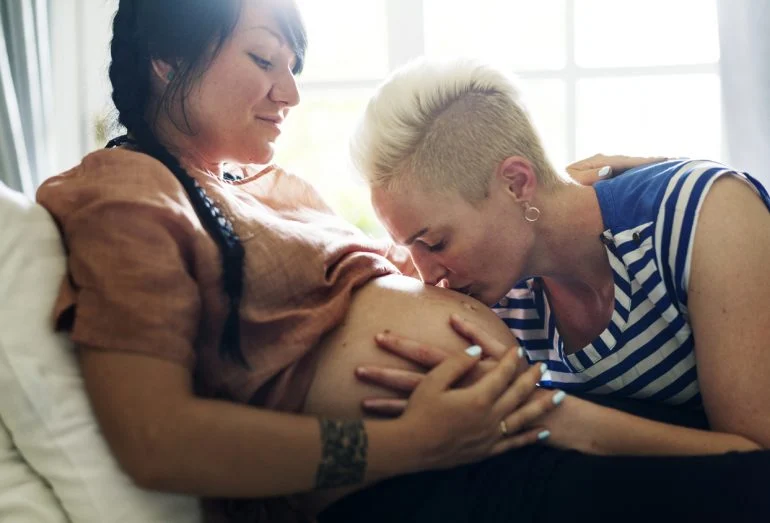
Legal Considerations for DIY Sperm Donation in Co-Parenting Arrangements
3. Legal Rights and Protections:
Without a legal agreement in place, the donor may have limited legal rights and protections towards the child. This can lead to potential conflicts and legal battles in the future, especially if the co-parenting relationship breaks down. A written agreement can outline the expectations and responsibilities of both parties, including custody and visitation arrangements, financial support, and decision-making authority. This can provide peace of mind and clarity for all parties involved.
4. Inheritance and Estate Planning:
Another important legal consideration in a DIY sperm donation co-parenting arrangement is inheritance and estate planning. In traditional sperm donation, the donor is not considered a legal parent, and therefore, the child may not be entitled to any inheritance or benefits from the donor’s estate. However, in a co-parenting arrangement, the child may be entitled to inheritance and benefits if the donor is legally recognized as a parent. It is crucial to consult with a family law attorney and an estate planning attorney to ensure that all necessary legal documents are in place to protect the child’s rights in the event of the donor’s death.
5. Medical and Health Considerations:
In a traditional sperm donation, the donor undergoes medical screening and testing to ensure that they are free from any hereditary diseases or medical conditions that could be passed on to the child. However, in a DIY sperm donation, the donor may not go through the same screening process, putting the child at risk of inheriting genetic conditions. It is important to discuss and address any potential health concerns with the donor and consult with a medical professional before proceeding with the insemination process.
Conclusion:
DIY sperm donation can be a viable option for co-parenting arrangements, but it is crucial to address the legal considerations to protect all parties involved. By establishing legal parentage, outlining rights and responsibilities, and addressing medical and health concerns, the co-parenting relationship can have a solid foundation for the well-being of the child. It is always advisable to consult with a family law attorney to ensure that all necessary legal steps are taken to protect the child’s best interests.
Summary:
Co-parenting arrangements have become more common, and DIY sperm donation has become a popular option for individuals or couples looking to conceive a child. However, there are important legal considerations that need to be addressed in order to protect all parties involved. These include establishing parental rights and responsibilities, establishing legal parentage, outlining legal rights and protections, inheritance and estate planning, and addressing medical and health concerns. It is crucial to consult with a family law attorney to ensure that all necessary legal steps are taken to protect the child’s best interests.