Blog Post:
The decision to become a parent is a big one and for many, it doesn’t come easy. Some people are unable to conceive naturally, while others may not have a partner to start a family with. In these situations, many turn to sperm donation as a means to start their family. While traditional sperm donation involves using sperm from a sperm bank, there is another option that is gaining popularity – the DIY sperm donor process.
The DIY sperm donor process involves finding a suitable donor through online forums or social media platforms and then arranging for the donation to take place privately. This option allows for more control and involvement in the process, as well as the potential for a more personal connection with the donor. However, with this process also comes a complex set of legal and ethical considerations, particularly when it comes to paternal rights.
The Importance of Paternal Rights:
One of the main concerns surrounding the DIY sperm donor process is the issue of paternal rights. When a child is conceived through traditional sperm donation, the donor is usually anonymous and therefore has no legal rights or responsibilities towards the child. However, in the case of DIY sperm donation, the donor may not be anonymous, and this opens up the possibility for them to claim paternal rights.
In many countries, the law recognizes the sperm donor as the legal father of the child, regardless of any agreements made between the donor and the recipients. This means that the donor could potentially be held responsible for child support, custody, and visitation rights. This can create a complicated and emotional situation for all parties involved, especially if the arrangement was made with the understanding that the donor would not have any parental rights.
To avoid these issues, it is crucial for both the donor and the recipients to fully understand and discuss the legal implications of their decision. It is recommended to consult a lawyer and have a written agreement in place that clearly outlines the intentions of all parties involved. This agreement should also include provisions for relinquishing or establishing parental rights, as well as any financial responsibilities.
The DIY Sperm Donor Process:
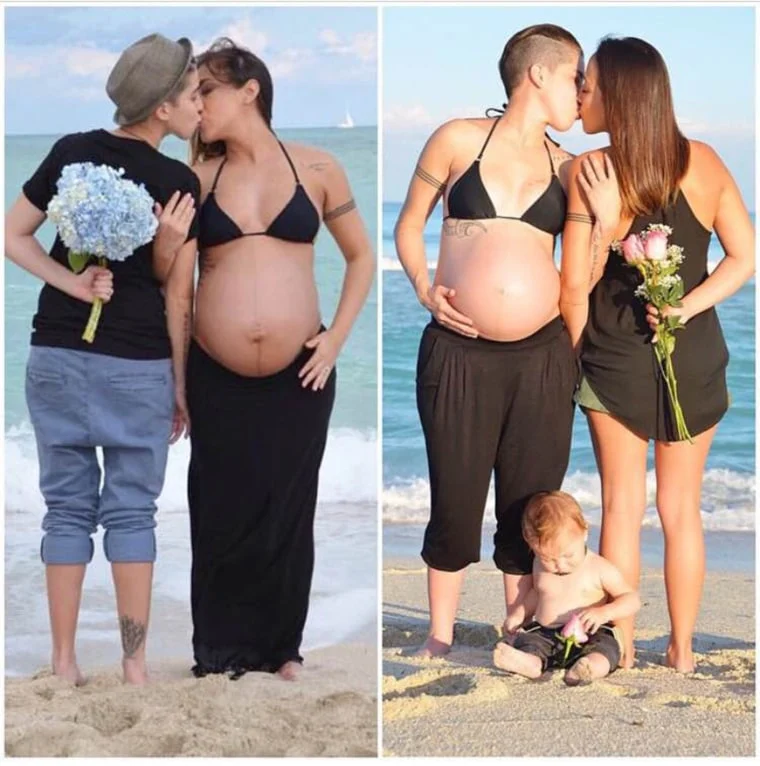
The DIY Sperm Donor Process and the Importance of Paternal Rights
Now that we understand the importance of paternal rights, let’s take a closer look at the DIY sperm donor process. The first step is to find a suitable donor. Online forums and social media platforms are popular places to connect with potential donors, but it is essential to thoroughly vet the candidates and ensure that they have undergone health screenings and are willing to provide medical history.
Once a donor has been chosen, the next step is to arrange for the donation to take place. This can be done through natural insemination, where the donor and recipient have sexual intercourse, or through artificial insemination, where the sperm is collected and inserted into the recipient’s uterus. It is essential to note that natural insemination carries a higher risk of sexually transmitted infections and unplanned pregnancies.
After the donation has taken place, it is crucial to follow up with a fertility specialist to confirm pregnancy and discuss any necessary medical procedures. It is also recommended to have a legal agreement in place before the child is born to avoid any potential legal disputes in the future.
Benefits and Risks:
The DIY sperm donor process offers a unique and personalized approach to starting a family. It allows for a more personal connection between the donor and recipients, and the potential for the child to have access to their biological father. However, it also comes with its own set of risks and challenges.
One of the main benefits of the DIY process is the potential for a more affordable option compared to traditional sperm donation. Sperm banks can be expensive, and the cost of multiple attempts at conception can quickly add up. DIY sperm donation eliminates the need for expensive medical procedures, making it a more accessible option for those on a budget.
However, there are also risks involved with the DIY process, including the potential for legal disputes, as well as the lack of medical oversight. Sperm banks have strict screening processes in place to ensure the health and safety of their donors, while with DIY sperm donation, this responsibility falls on the individuals involved. It is crucial to thoroughly research and vet potential donors to minimize these risks.
In summary, the DIY sperm donor process can be a viable option for those looking to start a family, but it is essential to understand and address the legal and ethical considerations involved. With proper planning, communication, and legal agreements in place, the DIY process can be a successful and rewarding path to parenthood.