Blog Post:
Pride and Parenthood: How Self-Insemination is Changing the Landscape for Lesbian Couples
For many years, LGBTQ+ couples have faced barriers and challenges when it comes to starting a family. Adoption and fertility treatments were often expensive and complicated processes, leaving many couples feeling discouraged and excluded from parenthood. However, in recent years, self-insemination has emerged as a popular and accessible option for lesbian couples looking to conceive. In this blog post, we will explore how self-insemination is changing the landscape for lesbian couples and how it is helping to break down barriers and promote inclusivity in the world of parenthood.
What is Self-Insemination?
Self-insemination, also known as at-home insemination, is a method of conception where a woman uses donated sperm to impregnate herself. This process can be done in the comfort of one’s own home and does not require medical intervention. The sperm can be donated from a known or anonymous donor, and there are various methods of insemination, such as using a syringe or a cervical cap. Self-insemination is a safe and effective way for lesbian couples to conceive and has become increasingly popular in recent years.
Breaking Down Barriers
One of the most significant barriers faced by LGBTQ+ couples when it comes to starting a family is the high cost of adoption and fertility treatments. The average cost of a single round of in vitro fertilization (IVF) can range from $12,000 to $15,000, making it out of reach for many couples. Self-insemination, on the other hand, is a much more affordable option, with the cost of sperm donation and insemination equipment being significantly lower than traditional fertility treatments. This has allowed more lesbian couples to pursue their dream of parenthood without the financial burden that often comes with it.
In addition to the financial barrier, LGBTQ+ couples also face discrimination and challenges when seeking adoption or fertility treatments. Many adoption agencies and fertility clinics have strict criteria that exclude same-sex couples, making it difficult for them to start a family. Self-insemination eliminates the need for these institutions, giving couples the freedom and autonomy to start their family on their terms. This has helped to break down barriers and promote inclusivity in the world of parenthood.
Empowering Women
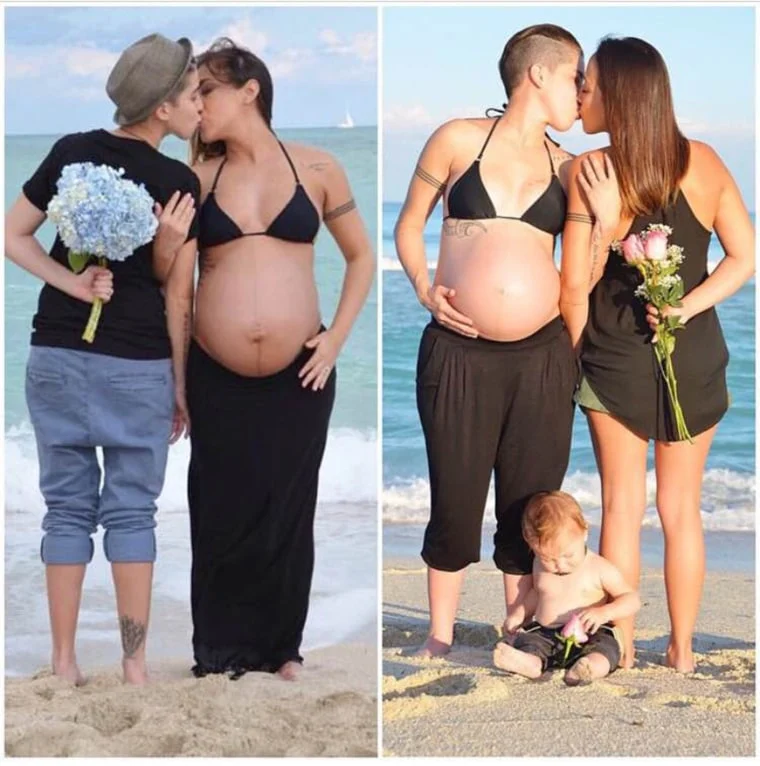
Pride and Parenthood: How Self-Insemination is Changing the Landscape for Lesbian Couples
Self-insemination also empowers women by giving them full control over their reproductive journey. In traditional fertility treatments, women often have to rely on doctors and medical professionals to help them conceive. With self-insemination, women can take charge of their own fertility and make decisions that are best for them and their partner. This has been especially empowering for lesbian couples, who may have felt excluded or marginalized in the past when it came to starting a family.
Creating a Stronger Bond
The process of self-insemination also allows lesbian couples to create a stronger bond with each other and their future child. In traditional fertility treatments, couples often have to go through a lengthy and invasive process, which can be emotionally and physically draining. With self-insemination, couples can share the experience of conceiving their child together, creating a stronger bond and sense of connection. This process also allows for more intimate and personal involvement in the conception process, which can be a beautiful and meaningful experience for many couples.
The Role of Technology
Advancements in technology have also played a significant role in the popularity of self-insemination. With the rise of online sperm banks and fertility forums, finding a donor and accessing information and resources about self-insemination has become more accessible than ever before. This has made the process less intimidating and more convenient for lesbian couples, further promoting inclusivity and breaking down barriers.
Challenges and Considerations
While self-insemination has many benefits for lesbian couples, it is essential to consider the potential challenges and risks involved. Without the guidance of a medical professional, there is a higher risk of infection or incorrect insemination, which could affect the success of conception. It is crucial for couples to thoroughly research and understand the process before attempting self-insemination and to seek medical advice if needed. It is also essential to have open and honest communication with each other and the donor throughout the process to ensure everyone’s needs and boundaries are respected.
In Summary
Self-insemination is a game-changer for lesbian couples looking to start a family. It has helped to break down barriers and promote inclusivity in the world of parenthood by providing a more affordable and accessible option for conception. This process also empowers women and allows couples to create a stronger bond with each other and their future child. Advancements in technology have made self-insemination more convenient and less intimidating, but it is crucial to consider the potential challenges and seek medical advice if needed. Self-insemination is changing the landscape for lesbian couples and is a beautiful and empowering way for them to create their own unique family.