Home insemination, also known as self-insemination, is a method used by couples trying to conceive at home without medical assistance. While it can be a convenient and cost-effective option, it is important to take certain precautions to ensure a safe and successful conception. In this blog post, we will discuss the dos and don’ts of home insemination, including important safety measures to follow.
DO: Educate Yourself on the Process
Before attempting home insemination, it is important to educate yourself on the process and understand the potential risks involved. This can include researching different methods, understanding the ovulation cycle, and seeking advice from medical professionals or online resources. It is also crucial to discuss the decision with your partner and ensure that both parties are comfortable with the process.
DON’T: Use Unsterilized Equipment
Using unsterilized equipment can increase the risk of infection and decrease the chances of a successful conception. Make sure to use clean, sterile equipment such as syringes, cups, and specimen containers. If you are using a donor, make sure they also follow proper hygiene and sterilization procedures.
DO: Track Ovulation
Knowing when you are ovulating is crucial for home insemination. This can be done through tracking basal body temperature, cervical mucus, and using ovulation predictor kits. Having intercourse or inseminating within the 24-hour window of ovulation increases the chances of fertilization.
DON’T: Use Non-Medical Grade Substances
Some people may attempt to use non-medical grade substances, such as saliva or cooking oil, as a lubricant during the insemination process. However, these substances can harm sperm and decrease the chances of conception. It is important to use a water-based lubricant that is specifically made for fertility purposes.
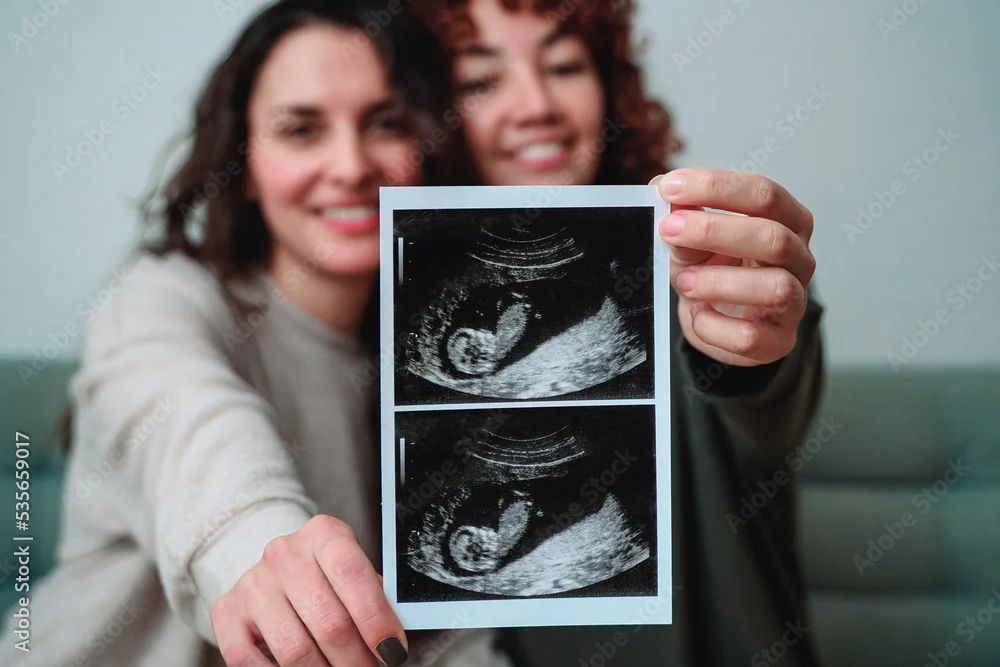
The Dos and Don'ts of Home Insemination: Safety Precautions for a Successful Conception
DO: Use a Fresh Sample
If using a donor, it is important to use a fresh sample for the insemination process. Frozen sperm may decrease in quality and motility, making it less likely to result in a successful conception. It is recommended to use the sample within 30 minutes of collection for the best chances of fertilization.
DON’T: Skip the Clean-Up
After the insemination process, it is important to properly clean and dispose of any equipment used. This includes properly disposing of any needles or syringes and cleaning any reusable items with hot, soapy water. Skipping this step can increase the risk of infection and decrease the chances of a successful conception.
DO: Consider Legal and Emotional Aspects
If using a donor, it is important to consider the legal and emotional aspects involved in home insemination. It is recommended to have a legal agreement in place between the donor and the couple, outlining any financial or parental responsibilities. It is also important to consider the emotional impact of using a known donor and how it may affect all parties involved.
DON’T: Rely Solely on Home Insemination
While home insemination can be a great option for many couples, it is important not to rely solely on this method for conception. If you have been trying for a while without success, it may be beneficial to seek medical assistance to rule out any underlying fertility issues.
In conclusion, home insemination can be a safe and effective method for couples trying to conceive, but it is important to follow certain precautions. Educate yourself on the process, use sterilized equipment, track ovulation, avoid non-medical grade substances, use a fresh sample, and properly clean up after the process. Also, consider the legal and emotional aspects and don’t solely rely on home insemination. By following these dos and don’ts, you can increase your chances of a successful conception while ensuring your safety and well-being.