Blog Post:
For many LGBTQ+ couples, starting a family can be a daunting and expensive process. Traditional fertility clinics may not always cater to the unique needs and desires of LGBTQ+ individuals and couples, making it difficult to navigate the world of assisted reproduction. However, with the rise of DIY fertility monitoring methods, many LGBTQ+ couples are taking matters into their own hands and successfully conceiving at home. In this blog post, we will explore the benefits and challenges of DIY fertility monitoring for LGBTQ+ couples and provide some tips for getting started.
DIY fertility monitoring involves tracking your menstrual cycle and ovulation using various methods such as taking basal body temperature, monitoring cervical mucus, and using ovulation predictor kits. This approach allows individuals and couples to learn more about their bodies and accurately predict their most fertile days, making it easier to conceive without the need for expensive medical interventions.
One of the main benefits of DIY fertility monitoring for LGBTQ+ couples is the ability to take control of their own fertility journey. Many traditional fertility clinics may not cater to same-sex couples or individuals who do not identify as cisgender. This can lead to feelings of exclusion and frustration, making the process of starting a family even more challenging. By DIY monitoring, LGBTQ+ couples can take charge and make decisions that align with their values and preferences.
Furthermore, DIY fertility monitoring can also be a more affordable option for LGBTQ+ couples. Fertility treatments and procedures can be costly, and not all insurance plans cover them. DIY monitoring eliminates the need for frequent visits to the doctor and expensive procedures, making it a more budget-friendly option for those looking to conceive.
However, DIY fertility monitoring does come with its own set of challenges. One of the main concerns is the lack of medical supervision and support. Traditional fertility clinics have trained medical professionals who can guide individuals and couples through the process and provide support when needed. DIY monitoring may require individuals to educate themselves on the various tracking methods and make decisions on their own, which can be overwhelming and confusing.
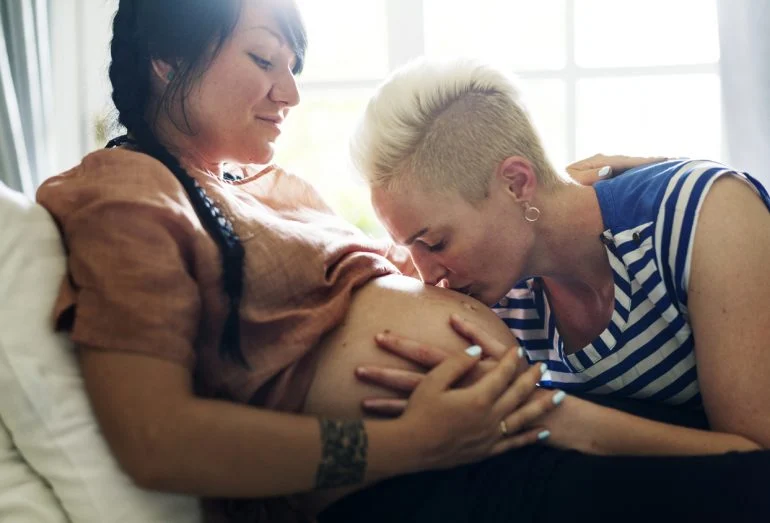
Taking Fertility into Your Own Hands: DIY Monitoring for LGBTQ+ Couples
Another challenge is the potential for inaccurate tracking. DIY methods may not always be 100% accurate, leading to missed fertile days or false-positive results. This can be frustrating and can delay the conception process. It is essential to educate yourself and use multiple tracking methods to increase accuracy and decrease the chances of missing the fertile window.
For LGBTQ+ couples who are considering DIY fertility monitoring, there are a few tips to keep in mind. First, it is crucial to educate yourself on the various tracking methods and find the one that works best for you. This may require some trial and error, but it is essential to find a method that you are comfortable with and can consistently use. Additionally, it is essential to have open and honest communication with your partner about expectations, preferences, and any concerns that may arise during the process.
It is also crucial to seek support from the LGBTQ+ community. There are many online forums and support groups specifically for LGBTQ+ individuals and couples who are trying to conceive. These communities can provide a sense of belonging and offer valuable advice and support throughout the DIY fertility monitoring journey.
In conclusion, DIY fertility monitoring can be an empowering and budget-friendly option for LGBTQ+ couples looking to start a family. It allows individuals and couples to take control of their fertility journey and make decisions that align with their values and preferences. However, it is essential to educate yourself, seek support, and be prepared for potential challenges along the way.
Summary:
For LGBTQ+ couples, starting a family can be challenging and expensive. However, DIY fertility monitoring offers a more affordable and empowering option. By tracking menstrual cycles and ovulation at home, individuals and couples can take control of their fertility journey and make decisions that align with their values. However, DIY monitoring also comes with its own set of challenges, such as the lack of medical supervision and potential for inaccurate tracking. To successfully use DIY fertility monitoring, it is essential to educate yourself, seek support from the LGBTQ+ community, and have open communication with your partner.