Blog Post Title: The Ethics of Donor Selection in Self-Insemination for Heterosexual Couples
Introduction
In recent years, self-insemination has become a popular method for heterosexual couples to conceive a child. This process involves using a donor sperm at home rather than going through a fertility clinic. While this option provides couples with more control and privacy over the conception process, it also raises ethical concerns, particularly in the area of donor selection. In this blog post, we will explore the various ethical considerations surrounding donor selection in self-insemination for heterosexual couples.
The Importance of Informed Consent
One of the primary ethical concerns in donor selection is ensuring that all parties involved provide informed consent. In traditional fertility clinics, strict guidelines are in place to ensure that donors are fully informed of the potential risks and responsibilities of donating sperm. However, in self-insemination, there may not be such stringent protocols in place. This raises questions about whether the donor fully understands the implications of their donation and whether the couple has fully disclosed their intentions for using the donor’s sperm. It is crucial that all parties involved have a clear understanding of their rights and responsibilities before proceeding with self-insemination.
Transparency in Donor Identification
Another ethical consideration is the transparency of donor identification. In traditional fertility clinics, donors are typically anonymous, and identifying information is kept confidential. However, in self-insemination, the couple may choose to use a known donor, such as a friend or family member. While this may seem like a more desirable option for some couples, it can also create potential complications and conflicts in the future. It is vital for all parties involved to be transparent about the donor’s identity and for the couple to consider the potential consequences of using a known donor.
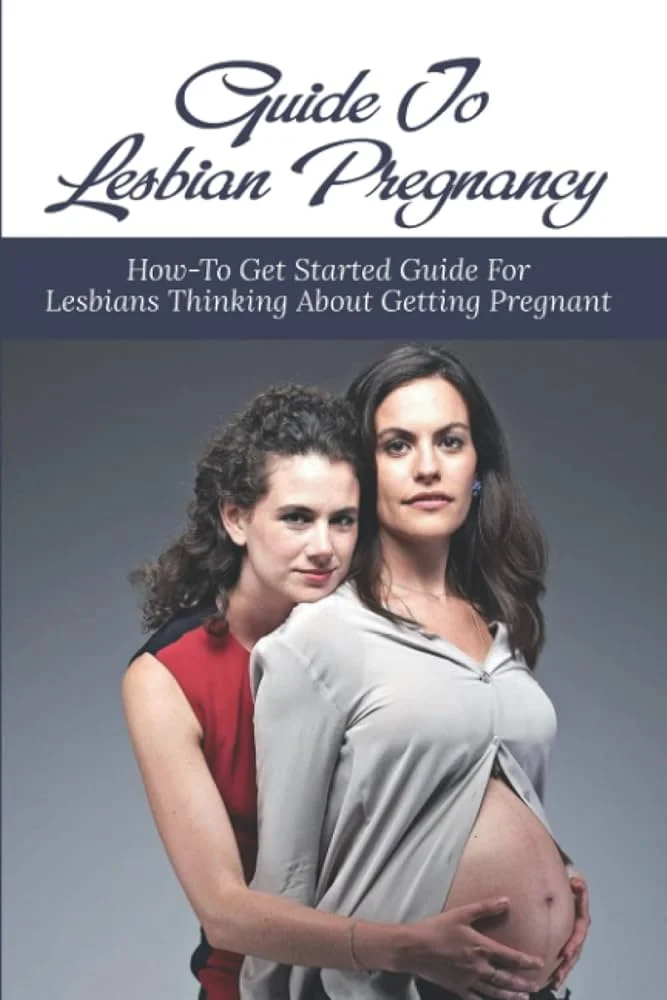
The Ethics of Donor Selection in Self-Insemination for Heterosexual Couples
Genetic Testing and Health Screening
In traditional fertility clinics, donors are subject to strict genetic testing and health screening to ensure that they are free from any genetic diseases or health conditions that could be passed on to the child. However, in self-insemination, there may not be such rigorous testing in place. This raises concerns about the potential health risks to the child and the ethical responsibility of the couple to ensure the donor’s health and genetic background. It is essential for couples to carefully consider the potential risks and take necessary precautions to protect the health of their future child.
The Role of Consent in Parental Rights
In traditional methods of conception, the donor relinquishes any parental rights and responsibilities to the child. However, in self-insemination, the donor may still have a legal claim to parental rights, particularly if they are a known donor. This raises ethical concerns about the potential impact on the child and the couple’s responsibility to ensure that all parties involved have provided informed consent regarding parental rights. It is crucial for couples to carefully consider the legal implications of using a donor and have a clear understanding of their rights and responsibilities.
The Impact on the Child
One of the most critical ethical considerations in donor selection is the potential impact on the child. Children conceived through self-insemination may have questions about their genetic background and identity, particularly if the donor is known. It is essential for couples to consider the potential emotional and psychological effects on the child and be prepared to have open and honest conversations about their conception. It may also be necessary for the child to have access to information about their donor’s identity and medical history to ensure their well-being.
Conclusion
In conclusion, the practice of self-insemination for heterosexual couples raises several ethical concerns, particularly in the area of donor selection. It is crucial for couples to carefully consider these ethical considerations and take necessary precautions to protect the well-being of all parties involved, including the potential child. Transparency, informed consent, and careful consideration of the potential consequences are essential in ensuring ethical practices in donor selection for self-insemination.
Summary
Self-insemination has become a popular method for heterosexual couples to conceive a child, but it also raises ethical concerns, particularly in the area of donor selection. Some of the key ethical considerations include ensuring informed consent, transparency in donor identification, genetic testing and health screening, parental rights, and the potential impact on the child. It is crucial for couples to carefully consider these ethical concerns and take necessary precautions to protect the well-being of all parties involved.