Blog Post:
With the rise in popularity of alternative medicine, many couples struggling with fertility issues are turning to acupuncture as a potential solution. Acupuncture, a traditional Chinese medicine practice involving the insertion of thin needles into specific points on the body, has been used for centuries to treat a variety of ailments. Now, it is gaining recognition as a complementary treatment for fertility.
In this blog post, we will explore the role of acupuncture in alternative fertility clinics and its potential benefits for couples trying to conceive.
The Basics of Acupuncture
Acupuncture is based on the belief that energy, or qi, flows through specific pathways in the body. When this energy is blocked or disrupted, it can lead to illness or other health issues. By inserting needles into specific points along these pathways, acupuncture aims to restore the flow of energy and promote healing.
In traditional Chinese medicine, fertility is seen as a balance of yin and yang energies within the body. When these energies are in balance, the body is considered fertile and capable of conceiving. However, when there is an imbalance, it can lead to infertility.
Acupuncture and Fertility
Acupuncture has been used as a fertility treatment for centuries, but it has gained more attention in recent years as a potential alternative to western medicine. Many fertility experts believe that acupuncture can help with fertility by:
1. Regulating Hormones: Acupuncture has been found to stimulate the release of hormones that play a crucial role in the reproductive cycle. By regulating these hormones, acupuncture may help improve ovulation and increase the chances of conception.
2. Improving Blood Flow to the Reproductive Organs: Acupuncture can increase blood flow to the ovaries and uterus, which can help improve the quality of eggs and the thickness of the uterine lining. This can increase the chances of a successful pregnancy.
3. Reducing Stress: Infertility can be a stressful and emotional experience for couples. Acupuncture has been found to promote relaxation and reduce stress levels, which can have a positive impact on fertility.
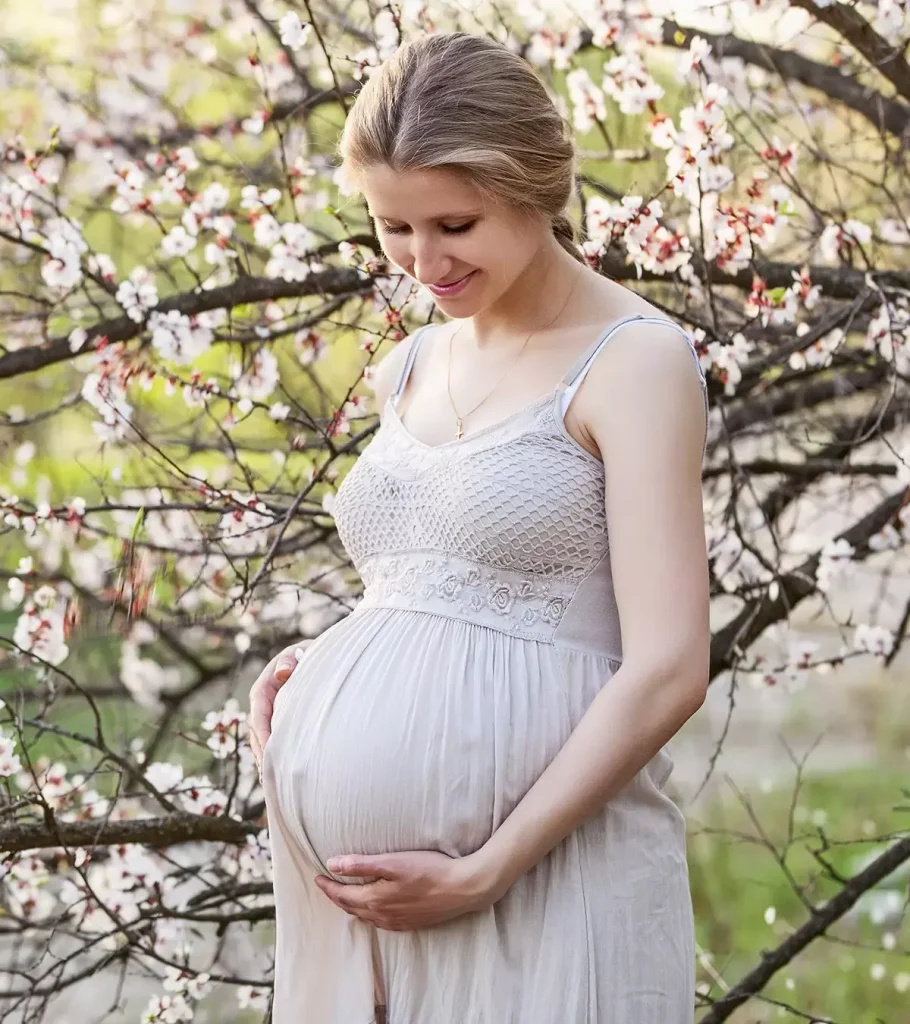
The Role of Acupuncture in Alternative Fertility Clinics
4. Improving Sperm Quality: Acupuncture has also been shown to improve sperm quality in men. It can increase sperm count, motility, and morphology, all of which are essential for successful fertilization.
Acupuncture in Alternative Fertility Clinics
Alternative fertility clinics offer a holistic approach to fertility treatment, combining traditional western medicine with complementary therapies such as acupuncture. These clinics focus on treating the whole person, not just the symptoms of infertility. They take into account factors such as diet, lifestyle, and emotional well-being, which can all impact fertility.
In these clinics, acupuncture is used as a complementary treatment alongside assisted reproductive technologies (ART) such as in vitro fertilization (IVF) or intrauterine insemination (IUI). Acupuncture is typically used before and after these procedures to help prepare the body for pregnancy and increase the chances of success.
Studies have shown that when used alongside ART, acupuncture can improve the success rates of these procedures. It can help reduce the side effects of fertility drugs, improve the quality of eggs and embryos, and increase the chances of a successful implantation.
Furthermore, alternative fertility clinics offer a safe and natural option for couples who may have concerns about the potential side effects of fertility drugs or the invasive procedures involved in ART. Acupuncture is a non-invasive and drug-free option that can still provide significant benefits for fertility.
Is Acupuncture Right for You?
While acupuncture has shown promising results in treating infertility, it is essential to consult with a fertility specialist before starting any treatment. They can help determine if acupuncture is a suitable option for your specific fertility issues and recommend a treatment plan that combines both eastern and western medicine.
Additionally, acupuncture may not be effective for all types of fertility issues. It is most beneficial for couples with unexplained infertility, ovulation disorders, or male factor infertility. It may not be as effective for women with blocked fallopian tubes or severe endometriosis.
In conclusion, acupuncture can play a valuable role in alternative fertility clinics, offering a holistic approach to treating infertility. It can help regulate hormones, improve blood flow to the reproductive organs, reduce stress, and improve sperm quality. However, it is essential to consult with a fertility specialist and determine if acupuncture is a suitable option for your specific fertility issues.
Summary:
Acupuncture, a traditional Chinese medicine practice, is gaining recognition as a complementary treatment for fertility. It works by restoring the flow of energy in the body and promoting healing. In alternative fertility clinics, acupuncture is used alongside western medicine to treat the whole person, not just the symptoms of infertility. It can regulate hormones, improve blood flow, reduce stress, and improve sperm quality. However, it is essential to consult with a fertility specialist to determine if acupuncture is a suitable option for your specific fertility issues.