DIY insemination, also known as at-home insemination, is a popular option for couples and individuals looking to start a family without the use of traditional medical methods. However, along with the convenience and privacy that DIY insemination offers, there are also potential risks that need to be carefully managed. This is where support systems play a crucial role. In this blog post, we will explore the different ways in which support systems can help in DIY insemination risk management.
First and foremost, let us understand what DIY insemination is and why it is gaining popularity. DIY insemination is the process of using self-insemination techniques, such as using a syringe or a soft cup, to deposit semen into the vagina, with the aim of achieving pregnancy. This method is often chosen by same-sex couples, single individuals, or couples with fertility issues who are unable to conceive through traditional methods. DIY insemination provides a more affordable and accessible option for those who are unable to or do not wish to use medical intervention.
However, as with any medical procedure, there are risks involved. These risks include but are not limited to, potential infections, incorrect insertion of semen, and failure to conceive. This is where support systems come into play. By having a strong support system in place, individuals or couples undergoing DIY insemination can better manage these risks and have a more successful and stress-free experience.
One of the main roles of a support system in DIY insemination risk management is providing emotional support. DIY insemination can be an emotionally taxing process, especially for those who are trying to conceive. Having someone to talk to, whether it is a partner, friend, or support group, can be immensely helpful in dealing with the emotional aspects of the process. These individuals can provide a safe space to talk about fears, doubts, and insecurities, and offer encouragement and reassurance during the journey.
In addition to emotional support, support systems can also play a crucial role in providing practical support. This can include helping with the insemination process itself, such as preparing the syringe or soft cup, ensuring cleanliness and hygiene, and helping with the insertion process. Having a trusted individual assist with the procedure can reduce the risk of infections and incorrect insertion, thus mitigating potential risks.
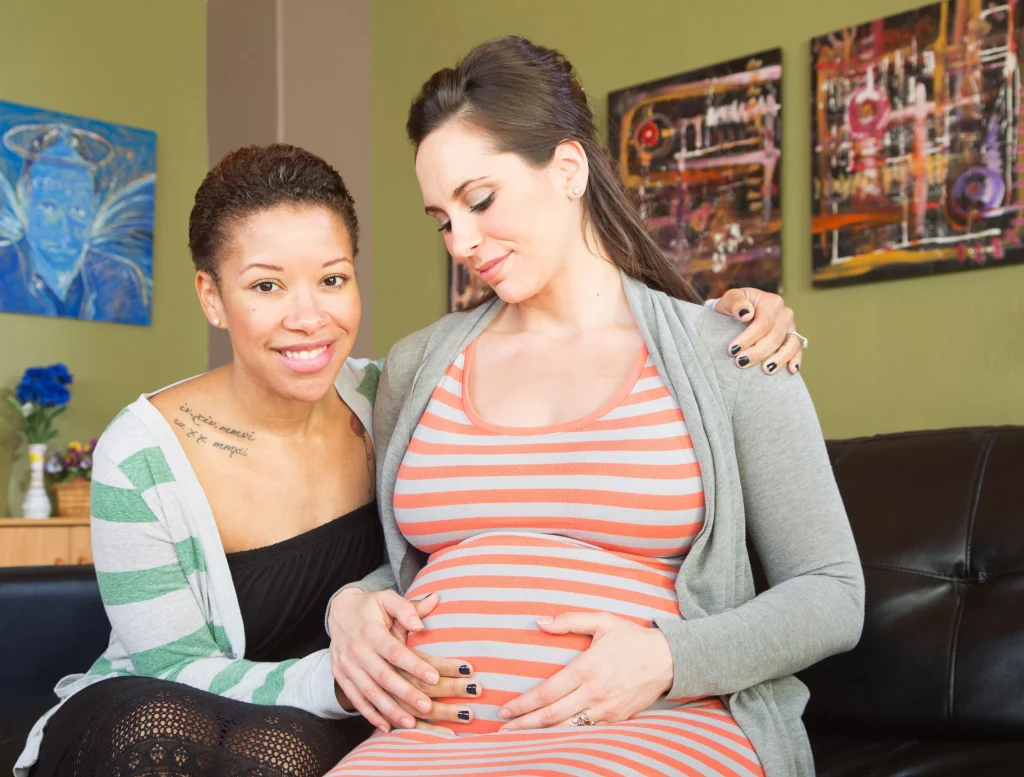
The Role of Support Systems in DIY Insemination Risk Management
Furthermore, having a support system in place can also help in managing the financial aspect of DIY insemination. Insemination kits and medical supplies can be expensive, and having a support system can help in sharing the cost. This can make the process more affordable for individuals or couples on a budget. Additionally, having someone to share the financial burden with can also alleviate stress and anxiety.
Support systems can also provide valuable guidance and resources for risk management in DIY insemination. This can include recommending reputable and safe websites for purchasing insemination kits, providing information on the proper techniques and procedures, and sharing tips and advice from personal experiences. This can help individuals or couples avoid potential risks and increase their chances of success.
Another important aspect of DIY insemination risk management is ensuring the proper health and fertility of the donor. This is where a support system can play a crucial role in helping to find a suitable and healthy donor. Couples or individuals can reach out to family or friends for help, or join online support groups and forums to find potential donors. This can help in reducing the risk of transmitting any diseases or genetic conditions to the child.
In addition to providing support during the actual insemination process, support systems can also offer assistance in the aftermath. This can include providing emotional support in case of a failed insemination attempt, offering guidance on when to seek medical help, and helping to plan the next steps in the journey. Having a support system to fall back on can help individuals or couples cope with disappointments and setbacks and continue their journey towards parenthood.
In summary, DIY insemination can be a risky process, and it is important to have a strong support system in place to help manage these risks. Emotional, practical, financial, and guidance support from trusted individuals or groups can make the journey smoother and increase the chances of success. By providing a safe space for emotional expression, practical assistance, and valuable resources, support systems play a crucial role in DIY insemination risk management.