Making the Choice: Factors to Consider in Natural vs. Artificial Insemination
When it comes to the topic of conception, there are two main methods that are commonly used: natural insemination and artificial insemination. Both methods have their own set of advantages and disadvantages, but ultimately, the choice between the two comes down to personal preference and individual circumstances. In this blog post, we will discuss the factors that should be considered when making the decision between natural and artificial insemination.
Natural Insemination:
Natural insemination, also known as sexual intercourse, is the most common and traditional method of conceiving a child. It involves the transfer of semen from a man’s penis into the woman’s reproductive tract during sexual intercourse. This method has been used for centuries and is still the preferred method for many couples.
Factors to Consider:
1. Success Rates: One of the main factors to consider when deciding on natural insemination is its success rate. While it may seem like the most natural and instinctive way to conceive, the truth is that it is not always successful. In fact, the success rate of natural insemination is only around 20% per cycle. This means that for every five attempts, only one will result in a pregnancy. Therefore, couples who are struggling with fertility issues may need to consider other options.
2. Timing: In order for natural insemination to be successful, the timing has to be just right. The woman’s body releases an egg once a month and it is only viable for 12-24 hours. Therefore, in order for conception to occur, sexual intercourse needs to happen during this window of time. This can be a challenge for couples who have busy schedules or are not able to accurately predict the timing of ovulation.
3. Risk of STDs: Another factor to consider with natural insemination is the risk of sexually transmitted diseases (STDs). Sexual intercourse involves the exchange of bodily fluids, and if one partner has an STD, it can easily be transmitted to the other. This risk can be minimized by practicing safe sex, but it is still something to be aware of.
Artificial Insemination:
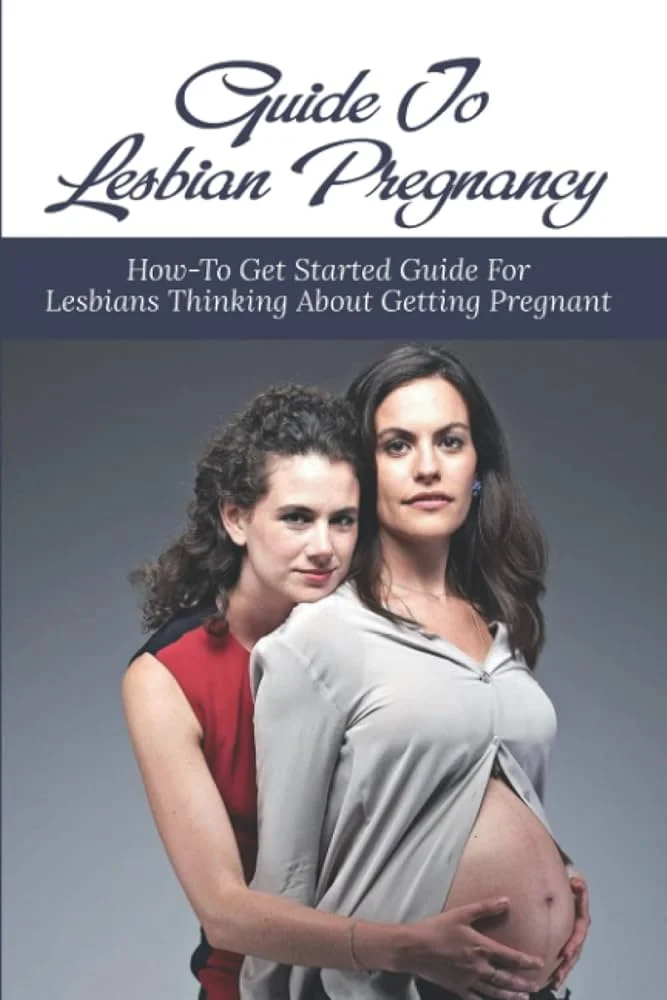
Making the Choice: Factors to Consider in Natural vs. Artificial Insemination
Artificial insemination, also known as assisted reproductive technology (ART), is a method that involves the introduction of sperm into a woman’s reproductive tract through means other than sexual intercourse. There are different types of artificial insemination, including intrauterine insemination (IUI) and in vitro fertilization (IVF).
Factors to Consider:
1. Success Rates: One of the main advantages of artificial insemination is its higher success rate compared to natural insemination. The success rate of IUI is around 15-20% per cycle, while IVF has a success rate of around 40%. This can be a better option for couples who are struggling with fertility issues and have not had success with natural insemination.
2. Timing: Unlike natural insemination, the timing of artificial insemination can be controlled and manipulated. This means that couples can plan and schedule the procedure to align with the woman’s ovulation cycle, increasing the chances of success. This can be especially beneficial for couples who have irregular ovulation patterns.
3. Cost: Another important factor to consider is the cost of artificial insemination. While natural insemination is essentially free, artificial insemination can be quite expensive. The cost of IUI can range from $300 to $1000 per cycle, while IVF can cost anywhere from $12,000 to $20,000 per cycle. This is something that couples need to consider when making their decision, as it can have a significant impact on their finances.
4. Medical Intervention: Artificial insemination requires medical intervention, which can be a turn-off for some couples. The process involves medications, monitoring, and possibly surgery, which can be overwhelming and intimidating for some. It is important for couples to carefully consider this factor and be prepared for the medical procedures involved in artificial insemination.
Conclusion:
In the end, the choice between natural and artificial insemination is a personal one, and there is no right or wrong answer. It is important for couples to carefully consider all of the factors discussed above and decide on the method that best suits their individual needs and circumstances. Whichever method is chosen, it is important to remember that the ultimate goal is to have a healthy and happy baby.
In summary, when deciding between natural and artificial insemination, couples should consider factors such as success rates, timing, risk of STDs, cost, and medical intervention. These factors can greatly influence the decision and should be carefully weighed before making a choice. Ultimately, the most important thing is to have open and honest communication with your partner and healthcare provider to determine the best option for your unique situation.