Summary:
For same-sex couples, starting a family through traditional means may not be an option. However, with advancements in technology, DIY conception using syringe insemination has become a popular and accessible option. This method allows couples to conceive at home, without the need for expensive medical procedures. In this ultimate guide, we will discuss everything you need to know about syringe insemination for same-sex couples, including the process, tips, risks, and success rates.
What is Syringe Insemination?
Syringe insemination, also known as artificial insemination or at-home insemination, is a method of conception where semen is inserted into the vagina using a sterile syringe. This method is commonly used by same-sex couples, single women, and couples with fertility issues. It is a simple and cost-effective alternative to other methods of conception, such as intrauterine insemination (IUI) or in vitro fertilization (IVF).
The Process of Syringe Insemination
The first step in the process of syringe insemination is to obtain semen from a donor. This can be done through a sperm bank or through a known donor. It is important to ensure that the donor has undergone medical and genetic testing to rule out any potential health risks.
Next, the semen is collected and placed into a sterile cup or container. If using a known donor, it is recommended to use a sterile specimen cup to avoid any contamination. The semen is then drawn up into a sterile syringe, typically with a blunt-tipped needle or without a needle at all.
The person carrying the pregnancy will then lie down with their legs elevated, and the syringe is gently inserted into the vagina. The sperm is then released into the vaginal canal, near the cervix. It is important to remain lying down for at least 20 minutes to allow the sperm to travel towards the cervix and increase the chances of fertilization.
Tips for Successful Syringe Insemination
1. Timing is crucial: It is important to track ovulation and plan the insemination accordingly. Ovulation predictor kits or basal body temperature charting can help determine the most fertile days.
2. Use a fertility-friendly lubricant: Regular lubricants can be harmful to sperm, so it is recommended to use a fertility-friendly lubricant or natural alternatives such as coconut oil or canola oil.
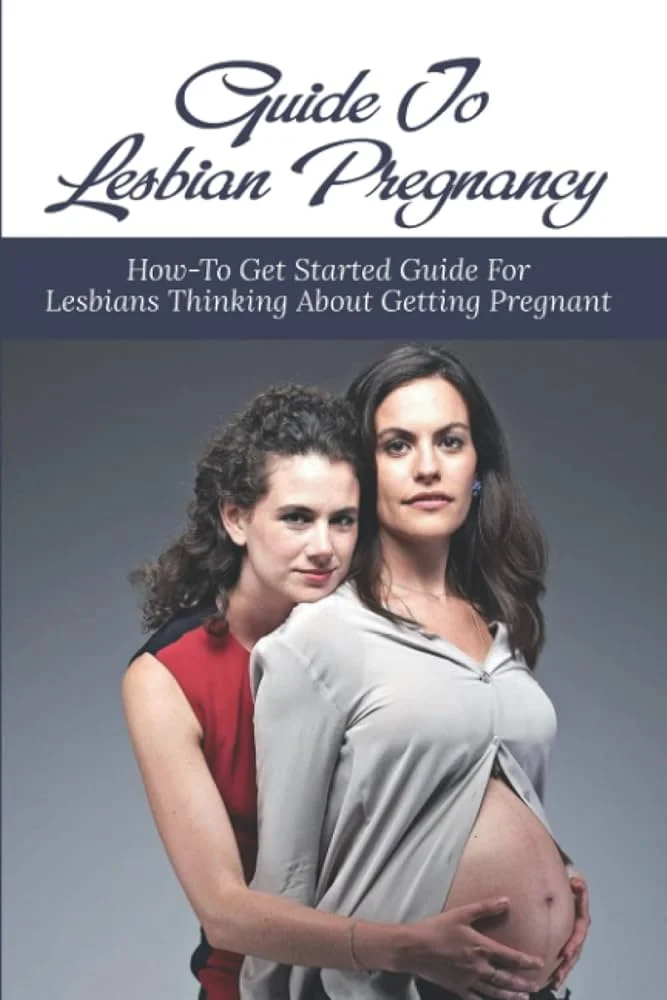
Syringe Insemination for Same-Sex Couples: The Ultimate Guide to DIY Conception
3. Be patient: It may take multiple attempts before successfully conceiving through syringe insemination. It is important to be patient and not get discouraged.
4. Consider seeking medical advice: If attempts at syringe insemination are unsuccessful, it is recommended to seek medical advice to rule out any underlying fertility issues.
Risks of Syringe Insemination
Syringe insemination is a safe and non-invasive method of conception. However, there are some potential risks to consider, such as:
1. Infection: It is important to use sterile equipment and follow proper hygiene practices to avoid any risk of infection.
2. Allergic reactions: Some individuals may be allergic to the latex material of the syringe or the lubricant used.
3. Emotional challenges: For some couples, the process of syringe insemination may be emotionally challenging, especially if multiple attempts are unsuccessful.
Success Rates of Syringe Insemination
The success rates of syringe insemination vary and depend on various factors such as age, overall health, and timing of ovulation. On average, the success rate is around 10-15% per cycle. However, with proper timing and multiple attempts, the success rate can increase to 30-40%.
Conclusion
For same-sex couples, syringe insemination offers a simple and cost-effective way to start a family. It is important to carefully consider all aspects of the process, including the risks and success rates, before making a decision. Seeking medical advice and support from a fertility specialist can also increase the chances of success. With patience, perseverance, and proper timing, syringe insemination can be a successful method of conception for same-sex couples.