Blog Post: Taking Control of Your Fertility: Home Insemination with a Rounded Syringe
For many couples struggling with fertility, the process of trying to conceive can be a long and emotionally draining journey. In some cases, traditional methods of insemination may not be an option due to medical or financial reasons. However, with advancements in technology, more and more couples are turning to home insemination as a way to take control of their fertility journey. One method that has gained popularity is using a rounded syringe for at-home insemination. In this blog post, we will discuss what home insemination is, how to use a rounded syringe for the process, its potential benefits, and some important considerations to keep in mind.
What is Home Insemination?
Home insemination is a process where a couple uses a syringe to inject semen into the vagina in order to increase the chances of conception. This method is often used by couples who are struggling with fertility, same-sex couples, or single individuals who want to conceive without the use of a sperm bank or medical intervention. It is a simple and cost-effective way to try to conceive in the comfort of one’s own home.
Using a Rounded Syringe for Home Insemination
A rounded syringe, also known as a bulb or oral syringe, is a medical tool that is commonly used to administer medication to infants and children. It is a small, soft, and flexible plastic syringe with a rounded tip that can be easily inserted into the vagina. To use a rounded syringe for home insemination, follow these steps:
1. Prepare the semen: The first step is to collect the semen from the male partner or donor. It can be done through masturbation, using a condom or a special collection device.
2. Load the syringe: Once the semen has been collected, it can be transferred into the rounded syringe. Make sure to remove the plunger from the syringe and carefully pour the semen into the barrel. Then, reattach the plunger.
3. Prepare the vagina: Before inserting the syringe, it is important to prepare the vagina by lying down and placing a pillow under the hips to elevate the pelvis. This will help the semen to travel towards the cervix.
4. Insert the syringe: Gently insert the syringe into the vagina and slowly push the plunger to release the semen near the cervix. It is recommended to keep the syringe in place for a few minutes to allow the semen to flow into the cervix.
5. Clean up: Once the syringe is empty, carefully remove it from the vagina and dispose of it. It is also important to clean the area properly to prevent any potential infections.
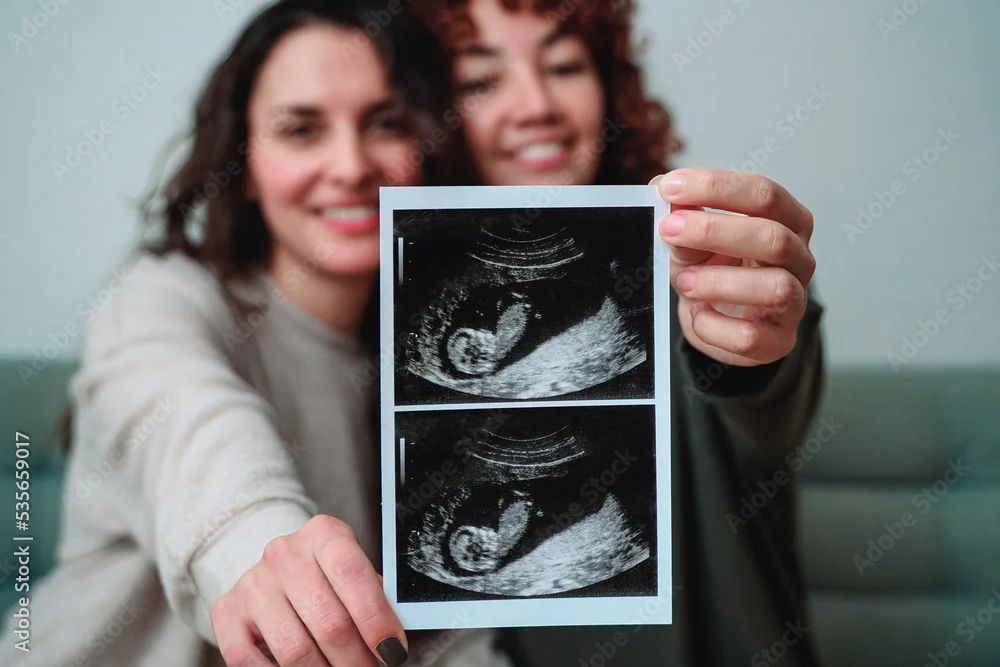
Taking Control of Your Fertility: Home Insemination with a Rounded Syringe
Benefits of Using a Rounded Syringe for Home Insemination
1. Cost-effective: One of the main benefits of using a rounded syringe for home insemination is that it is a cost-effective method. It eliminates the need for expensive medical procedures or sperm banks, making it a more affordable option for couples.
2. Privacy: Home insemination allows couples to have more privacy and control over their fertility journey. It can be done in the comfort of one’s own home without the need to involve medical professionals or sperm donors.
3. Increased chances of conception: The use of a rounded syringe for home insemination can increase the chances of conception as the semen is placed closer to the cervix, making it easier for the sperm to reach the egg.
4. Less invasive: For some couples, traditional methods of insemination can be invasive and uncomfortable. Using a rounded syringe is a less invasive option, which can help reduce any anxiety or discomfort during the process.
Considerations for Using a Rounded Syringe for Home Insemination
1. Understand the risks: While using a rounded syringe for home insemination is generally safe, it is important to understand the potential risks. These may include infections, allergic reactions, or damage to the cervix if not done correctly.
2. Timing is crucial: Timing is crucial when it comes to home insemination. It is recommended to track ovulation and perform the insemination within 24 hours of ovulation to increase the chances of conception.
3. Seek medical advice: It is always recommended to seek medical advice before starting home insemination. A doctor can provide guidance on the best methods and timing for home insemination and also rule out any potential fertility issues.
4. Be patient: Home insemination may not lead to immediate results, and it is important to be patient and consistent with the process. It may take several attempts before conception occurs.
In summary, home insemination with a rounded syringe is a simple and cost-effective way for couples to take control of their fertility journey. It can increase the chances of conception while providing more privacy and control over the process. However, it is important to understand the risks and seek medical advice before starting this method. With patience and proper technique, home insemination can be a viable option for couples looking to start a family.