The Ultimate Guide to DIY Conception: Using a Round Tip Syringe for Optimal Results
Are you and your partner looking to start a family but are struggling with fertility issues? Or perhaps you are a single person who wants to have a child on your own? Whatever your situation may be, the path to conception can be a challenging and emotional journey. However, with the rise of at-home insemination methods, there is an option for those who are unable or unwilling to go through traditional fertility treatments. One method that has gained popularity in the DIY conception community is using a round tip syringe for insemination. In this blog post, we will guide you through everything you need to know about using a round tip syringe for optimal results.
Understanding the Basics of DIY Conception
Before diving into the specifics of using a round tip syringe, it is essential to understand the basics of DIY conception. At-home insemination is a method of fertilization that does not involve the traditional route of intercourse or medical procedures such as intrauterine insemination (IUI) or in vitro fertilization (IVF). Instead, it involves manually placing sperm into the vagina, cervix, or uterus to increase the chances of fertilization. This method is often preferred by individuals or couples who are unable to conceive through traditional methods or prefer a more private and cost-effective approach.
Choosing the Right Syringe
When it comes to DIY conception, the right tools and equipment are crucial for success. When selecting a syringe for insemination, there are a few key factors to keep in mind. Firstly, the syringe should have a rounded tip to prevent any damage to the cervix or vaginal walls during insertion. Additionally, it should be made of medical-grade materials and be sterile for hygienic purposes. While there are various types of syringes available, including oral medicine syringes and turkey basters, a round tip syringe has been found to be the most effective for at-home insemination.
Preparing for Insemination
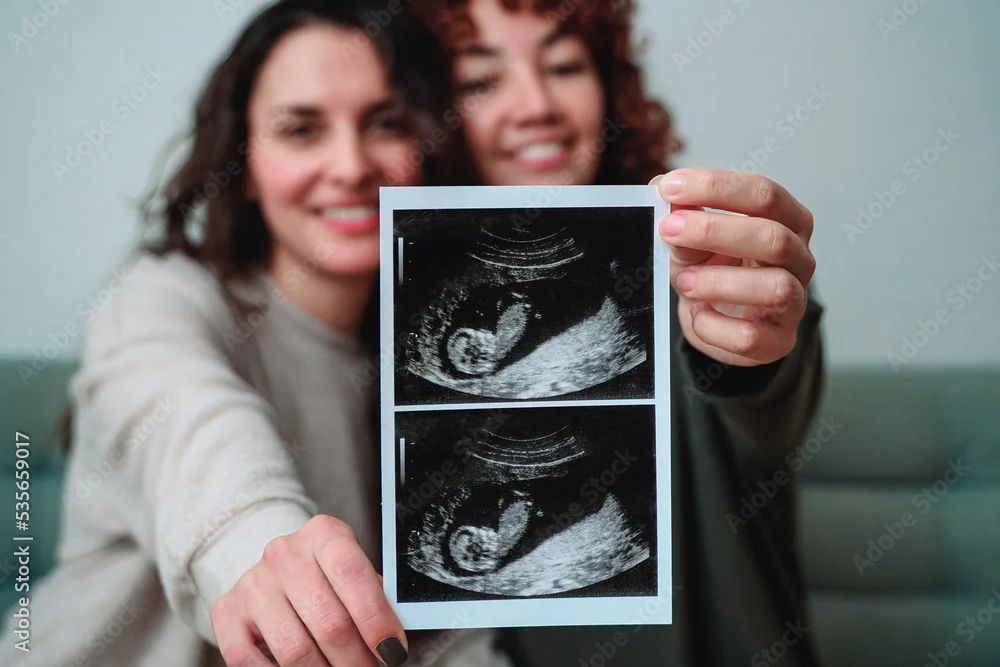
The Ultimate Guide to DIY Conception: Using a Round Tip Syringe for Optimal Results
Once you have chosen the right syringe, it is time to prepare for insemination. It is crucial to track your ovulation cycle using methods such as ovulation predictor kits or basal body temperature charting to determine the most fertile period. This will increase the chances of successful insemination. It is also recommended to abstain from intercourse for 2-3 days before insemination to allow for a build-up of sperm. Preparing a comfortable and sterile environment for the insemination process is also essential. Make sure to have clean towels and gloves on hand and to wash your hands before handling the syringe.
The Insemination Process
Now that you have prepared for insemination, it is time to go through the process itself. Firstly, the sperm sample should be collected in a sterile cup or condom. It is essential to use fresh sperm for optimal results, so it is best to inseminate immediately after collection. Next, load the syringe with the sperm sample by pulling the plunger back and drawing the sample into the syringe. Make sure to remove any air bubbles by gently tapping the syringe and pushing the plunger slightly. Finally, insert the syringe into the vagina, cervix, or uterus and slowly push the plunger to release the sperm. It is recommended to remain in a lying position for about 15-20 minutes after insemination to allow the sperm to reach the cervix.
Post-Insemination Tips
After insemination, it is crucial to take proper care of your body to increase the chances of successful fertilization. Avoid smoking, alcohol, and caffeine, as they can decrease fertility. Additionally, it is recommended to continue lying down for about 30 minutes after insemination and to avoid strenuous activities for the rest of the day. It is also essential to stay hydrated and maintain a healthy diet to support your body during this time.
Seeking Professional Help
While at-home insemination can be a successful method for DIY conception, it is essential to keep in mind that it may not work for everyone. If you have been trying for an extended period without success, it may be time to seek professional help. A fertility specialist can provide you with a thorough evaluation and recommend suitable treatment options based on your individual needs.
In conclusion, using a round tip syringe for at-home insemination can be an effective method for DIY conception. However, it is essential to remember that results may vary, and it is crucial to seek professional help if needed. With proper preparation and care, the path to conception can be a hopeful and empowering journey.